

Chronic low-grade inflammation is a silent driver of aging in dogs, often leading to joint degradation, immune suppression, and metabolic decline. Recent veterinary nutritional studies indicate that dietary interventions can reduce systemic inflammatory markers by up to 30% in senior canines within just a few weeks. This guide explores the specific foods and nutritional strategies that support healthy aging by targeting gut health and reducing cellular stress.
Understanding Inflammation in Aging Dogs
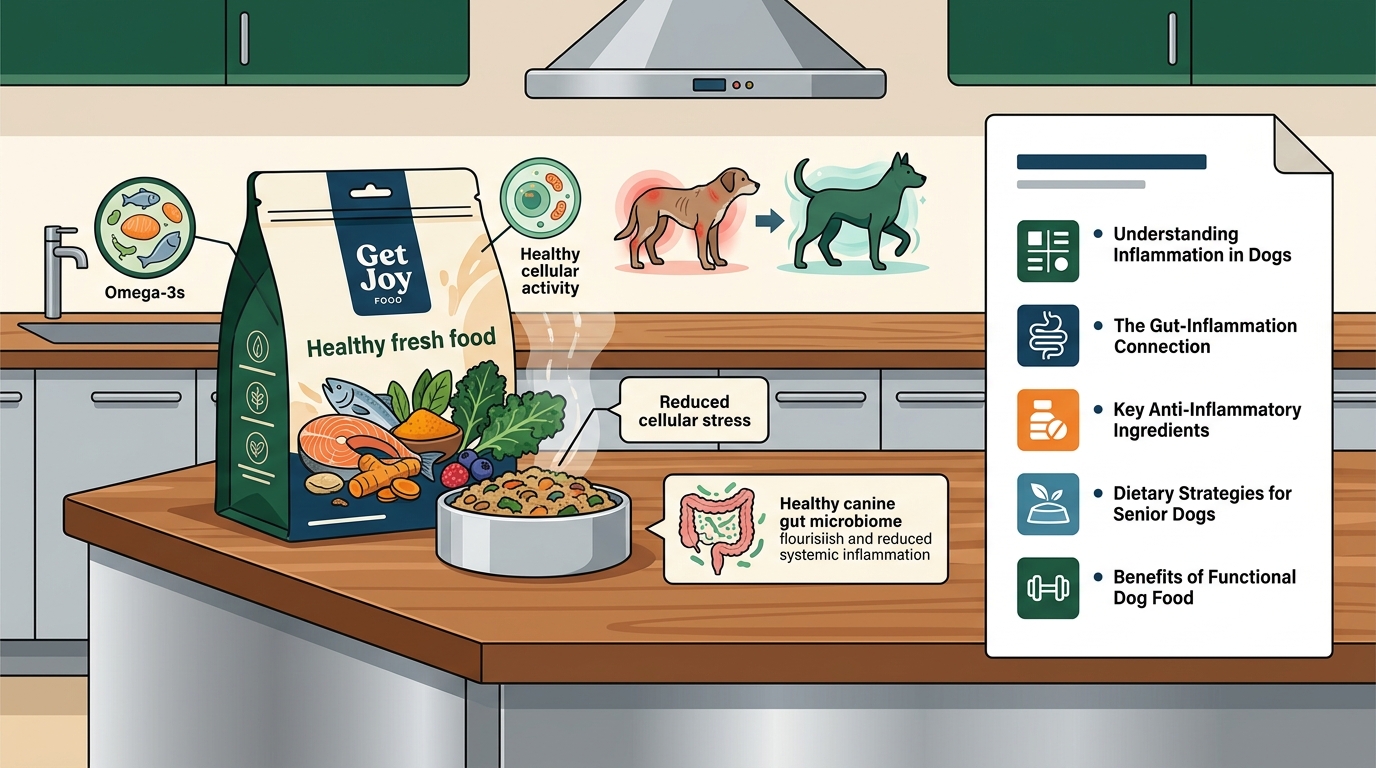
Inflammation is the body's natural response to injury or infection. However, in aging dogs, this process often becomes chronic and dysregulated. This state, sometimes called "inflammaging," accelerates the wear and tear on organs and joints. Unlike acute inflammation, which is visible and immediate, chronic inflammation operates at a cellular level, damaging tissues over time.
Recognizing the signs is the first step toward intervention. Common indicators include stiffness after rest, changes in appetite, dull coat quality, and increased lethargy. Addressing these symptoms requires a shift in nutritional strategy. The goal is to provide nutrients that actively suppress inflammatory pathways rather than merely avoiding triggers.
Research published in veterinary journals highlights that diet is the most modifiable factor in managing this condition. By introducing specific bioactive compounds, pet owners can help their dogs maintain mobility and cognitive function well into their senior years. This approach shifts the focus from reactive treatment to proactive nutritional support.
Key Anti-Inflammatory Ingredients
Not all nutrients are created equal when it comes to fighting inflammation. Certain compounds have been scientifically proven to modulate the immune response and protect cellular integrity. Integrating these ingredients into your dog's daily diet can yield significant health improvements.
Omega-3 Fatty Acids
Omega-3 fatty acids, particularly EPA and DHA found in fish oil, are the gold standard for anti-inflammatory nutrition. These fats compete with pro-inflammatory omega-6 fatty acids in the cell membrane, effectively reducing the production of inflammatory cytokines. For dogs with arthritis or skin allergies, this competition is critical for symptom relief.
Antioxidant-Rich Superfoods
Antioxidants neutralize free radicals that cause oxidative stress, a key component of aging. Berries like blueberries and strawberries are excellent sources. Additionally, organ meats such as liver and kidney provide a dense concentration of vitamins and minerals that support liver detoxification pathways. These ingredients work synergistically to protect vital organs from damage.
Adaptogenic Herbs
Herbs like turmeric and ginger have been used for centuries in canine health. Curcumin, the active compound in turmeric, is a potent anti-inflammatory agent. When paired with black pepper or healthy fats, its bioavailability increases significantly. These natural remedies offer a gentle yet effective way to manage pain and stiffness without the side effects of long-term NSAID use.
The Gut Health Connection
The gut is often referred to as the "second brain" because of its profound influence on the immune system. A healthy gut barrier prevents toxins and undigested food particles from entering the bloodstream, a condition known as leaky gut. This leakage is a primary driver of systemic inflammation.
Freeze-dried raw diets are particularly effective at restoring gut balance. The gentle processing method preserves live enzymes and beneficial bacteria that are often destroyed in high-heat kibble production. These preserved elements support the microbiome, ensuring efficient nutrient absorption and robust immune defense.
When the gut is healthy, the body can better regulate its inflammatory response. This means fewer flare-ups of allergies, better digestion, and a stronger immune system. The connection between gut integrity and overall longevity is well-documented in veterinary science. Prioritizing gut health is essentially prioritizing the foundation of your dog's immune system.
Benefits of Freeze-Dried Raw Diets
Freeze-drying is a preservation technique that removes water from food while keeping it at a low temperature. This process retains up to 98% of the original nutrients and enzymes. For aging dogs, whose digestive systems may be more sensitive, this form of nutrition offers a bridge between raw diets and convenience.
One of the primary advantages is the elimination of inflammatory preservatives. Many commercial dry foods rely on high-heat extrusion and chemical stabilizers to extend shelf life. These additives can irritate the gut lining and contribute to chronic inflammation. Freeze-dried meals avoid these pitfalls entirely.
Additionally, the high protein content in freeze-dried raw foods supports muscle maintenance, which is crucial for senior dogs. Sarcopenia, or muscle loss, is a common issue in aging canines. Adequate, high-quality protein helps preserve lean mass, ensuring your dog remains strong and active. This nutritional density also means smaller portion sizes are required, reducing the caloric load on aging organs.
Comparing Dietary Approaches
Choosing the right diet involves understanding the trade-offs between different nutritional models. Below is a comparison of common dietary approaches for managing inflammation in dogs.
| Dietary Approach | Inflammation Impact | Gut Health Support | Convenience |
|---|---|---|---|
| Freeze-Dried Raw | High (Preserved Enzymes) | Excellent (Live Microbiome) | High (Rehydrates Easily) |
| Traditional Kibble | Low (High Heat Processing) | Moderate (Added Probiotics) | Very High |
| Fresh Cooked | Moderate (Variable Nutrient Retention) | Good (Digestible) | Moderate (Refrigeration Needed) |
| Homemade Raw | High (Fresh Ingredients) | High (Unprocessed) | Low (Preparation Time) |
As shown in the table, freeze-dried raw diets offer a unique combination of high nutritional integrity and practical convenience. This makes them an ideal choice for pet owners who want the benefits of a raw diet without the logistical challenges of handling fresh raw meat. The ability to store these foods at room temperature also reduces the risk of bacterial contamination, a common concern with fresh raw diets.
Key Takeaways
- Chronic inflammation is a primary driver of aging and disease in dogs, but it is manageable through diet.
- Omega-3 fatty acids and antioxidants are the most critical nutrients for reducing systemic inflammation.
- Gut health is directly linked to immune function and inflammatory response in canines.
- Freeze-dried raw diets preserve up to 98% of nutrients, offering superior bioavailability compared to kibble.
- Organ meats provide essential vitamins that support liver detoxification and cellular repair.
- Trusted by over 30,000 pet parents, freeze-dried raw meals have shown measurable improvements in gut health within one week.
- Transitioning to an anti-inflammatory diet should be done gradually to allow the gut microbiome to adapt.
Frequently Asked Questions
How long does it take for anti-inflammatory foods to work in dogs?
While individual results vary, many pet owners notice improvements in stool quality and energy levels within the first week. Significant reductions in inflammation and improvements in coat quality typically occur within three to four weeks of consistent feeding.
Can freeze-dried raw food help with dog allergies?
Yes. By eliminating common fillers and artificial preservatives found in kibble, freeze-dried raw diets can reduce allergic reactions. The high-quality, single-source proteins and preserved enzymes also help heal the gut lining, which is often compromised in dogs with food sensitivities.
What is the best protein source for reducing inflammation?
Fish and organ meats are among the best protein sources for reducing inflammation. Fish provides omega-3s, while organ meats like liver and kidney offer dense nutrients that support detoxification. Get Joy offers a variety of superfood organ treats to supplement these benefits.
Is freeze-dried food better than fresh raw for aging dogs?
Freeze-dried food offers similar nutritional benefits to fresh raw but with greater convenience and safety. It is easier to store and transport, making it ideal for senior dogs who may have specific dietary needs that require consistent, high-quality nutrition without the hassle of thawing.
How do I transition my dog to an anti-inflammatory diet?
Transition slowly over 7 to 10 days. Mix increasing amounts of the new food with the old food to prevent digestive upset. This gradual approach allows the gut microbiome to adjust to the new nutrient profile, minimizing the risk of diarrhea or vomiting.
Do I need to add supplements to freeze-dried raw food?
Generally, no. High-quality freeze-dried raw diets are formulated to be complete and balanced. They contain the necessary vitamins and minerals, including Belly Biotics, to support optimal health without additional supplementation.
What are the signs of improved gut health in dogs?
Signs include smaller, firmer stools, reduced gas, increased energy, and a shinier coat. You may also notice a decrease in itching and licking behaviors, which are often linked to gut inflammation.
Start Your Dog's Journey
Supporting your dog's healthy aging starts with the food in their bowl. By choosing an anti-inflammatory, gut-friendly diet, you are investing in their long-term vitality and comfort. Get Joy offers premium freeze-dried raw meals designed to deliver maximum nutrition with minimal effort. Explore our bundles to save on your first order and begin transforming your dog's health today.