

Canine gut health is the foundation of overall vitality, influencing everything from immune response to coat quality. Recent veterinary research indicates that microbiome diversity is a critical predictor of long-term wellness in dogs. When owners ask whether to supplement daily, the answer depends on understanding the specific roles of different microbial components. This guide clarifies the differences between prebiotics, probiotics, and postbiotics to help you make informed decisions for your dog's digestive health.
What Are Probiotics?
Probiotics are live microorganisms that, when administered in adequate amounts, confer a health benefit on the host. In the context of canine nutrition, these are typically beneficial bacteria such as Lactobacillus and Bifidobacterium strains. These organisms colonize the gastrointestinal tract, competing with harmful pathogens and supporting the intestinal barrier.
Probiotics are essential for maintaining a balanced gut flora. When a dog experiences stress, dietary changes, or antibiotic treatment, the natural balance of these bacteria can be disrupted. Supplementing with high-quality probiotics helps restore this equilibrium. Get Joy formulates its meals with Belly Biotics, a proprietary blend designed to support this delicate microbial ecosystem.
It is important to note that not all probiotics are created equal. The viability of the bacteria at the time of consumption is crucial. Freeze-dried raw foods, like those offered by Get Joy, preserve these live cultures better than traditional high-heat kibble processing methods. This ensures that the beneficial bacteria remain active when they reach your dog's gut.
The Role of Prebiotics
Prebiotics are non-digestible fibers that serve as food for the beneficial bacteria already present in the gut. Unlike probiotics, which are the bacteria themselves, prebiotics are the fuel that allows these bacteria to thrive and multiply. Common sources of prebiotics in dog food include chicory root, yucca, and certain types of soluble fiber.
When prebiotics reach the large intestine, they undergo fermentation. This process produces short-chain fatty acids (SCFAs) such as butyrate, which provide energy to the cells lining the colon. This strengthens the gut barrier and reduces inflammation. According to nutritional science studies, prebiotics play a vital role in modulating the immune system by stimulating the production of immune cells.
Integrating prebiotics into your dog's diet is often easier than introducing live probiotics because they are stable during processing. However, the source matters. Natural, whole-food prebiotics are generally preferred over synthetic additives. Get Joy uses clean, clinically-backed ingredients to ensure that prebiotic fibers are derived from high-quality, digestible sources.
Understanding Postbiotics
Postbiotics are the metabolic byproducts produced by probiotic bacteria during fermentation. This category includes enzymes, organic acids, peptides, and other bioactive compounds. While the term is newer to consumer awareness, postbiotics are increasingly recognized for their potent health benefits.
Postbiotics offer several advantages over live probiotics. They do not require the bacteria to be alive to exert their effects, making them more stable and easier to store. They can also reach the gut in higher concentrations because they are not consumed by other microbes along the way. Research published in veterinary science journals highlights their role in reducing gut inflammation and improving nutrient absorption.
In the context of freeze-dried raw food, the process of rehydration and the natural composition of the ingredients can facilitate the presence of postbiotic compounds. By feeding a diet rich in both prebiotics and probiotics, you naturally encourage the production of beneficial postbiotics within your dog's digestive system. This creates a synergistic effect that supports overall gut health.
Daily Supplementation Guide
Should you give your dog probiotics every day? For most dogs, the answer is yes, but the method matters. Daily supplementation is beneficial for maintaining a robust microbiome, especially for dogs with sensitive stomachs or those prone to digestive upset. However, the goal should be to provide these components through a high-quality, biologically appropriate diet rather than relying solely on isolated supplements.
Consistency is key. The gut microbiome adapts to the nutrients it receives regularly. Switching between different probiotic strains or frequencies can lead to instability in the gut environment. A daily routine of feeding a balanced, probiotic-rich diet helps establish a stable microbial community. Get Joy offers a subscription service that ensures you never miss a delivery, making daily supplementation effortless.
For dogs undergoing antibiotic treatment, temporary high-dose probiotic supplementation is often recommended to prevent antibiotic-associated diarrhea. In these cases, spacing out the probiotic administration from the antibiotic dose is critical to ensure the live bacteria survive. Always consult your veterinarian for specific medical advice regarding your dog's health needs.
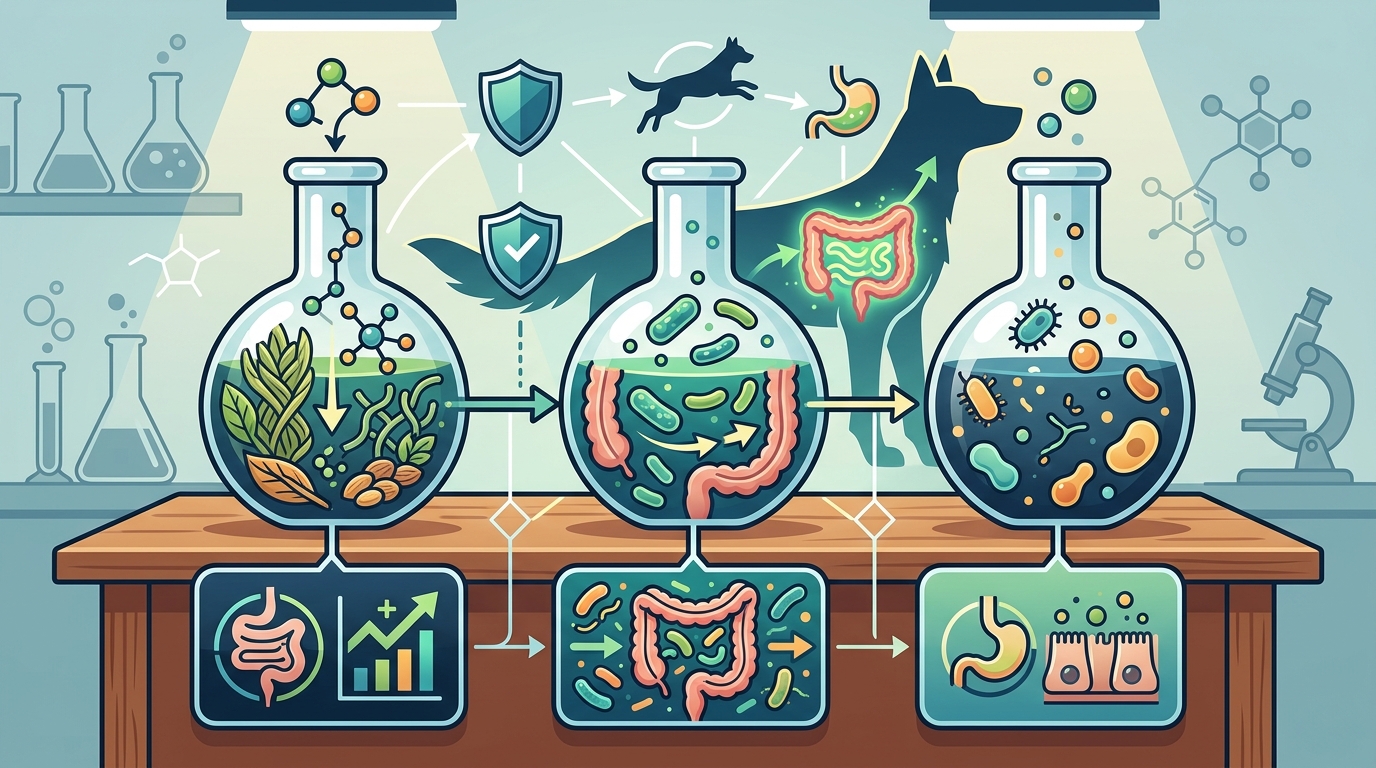
Comparison of Microbial Components
Understanding the distinct roles of each component helps in selecting the right nutritional strategy. The table below summarizes the key differences between prebiotics, probiotics, and postbiotics.
| Component | Type | Primary Function | Stability | Source in Get Joy |
|---|---|---|---|---|
| Probiotics | Live Bacteria | Colonize gut, compete with pathogens | Low (requires preservation) | Belly Biotics™ blend |
| Prebiotics | Fiber | Fuel beneficial bacteria | High (heat stable) | Whole food ingredients |
| Postbiotics | Metabolites | Reduce inflammation, support barrier | Very High | Natural byproducts |
Key Takeaways
- Probiotics are live bacteria that directly populate the gut with beneficial microbes.
- Prebiotics are fibers that feed existing good bacteria, promoting their growth.
- Postbiotics are metabolic byproducts that offer anti-inflammatory and barrier-supporting benefits.
- Daily supplementation is generally recommended for maintaining optimal gut health in dogs.
- Freeze-dried raw food preserves live probiotics better than traditional kibble processing.
- Get Joy's Belly Biotics are specifically formulated to support canine digestive wellness.
- Consistency in diet is crucial for establishing a stable and resilient gut microbiome.
Frequently Asked Questions
Can I give my dog human probiotics?
While some human probiotics may be safe, canine-specific strains are better suited for your dog's unique digestive system. Human probiotics may not survive the journey through a dog's stomach or colonize effectively. It is always best to use supplements formulated specifically for dogs.
How long does it take for probiotics to work in dogs?
Most dogs show improvements in stool quality and energy levels within one to two weeks of consistent supplementation. However, full microbiome restoration can take several months. Patience and consistency are essential for seeing long-term benefits.
Do I need both prebiotics and probiotics?
Yes, they work synergistically. Prebiotics provide the fuel for probiotics to thrive. Without prebiotics, probiotic bacteria may not survive or multiply effectively in the gut. A diet that includes both ensures a more robust and resilient microbial community.
Are probiotics safe for puppies?
Probiotics are generally safe for puppies, but dosage and strain selection are critical. Puppies have developing immune systems, so it is important to consult your veterinarian before starting any new supplement regimen. Get Joy offers puppy-specific nutrition guidelines to support healthy development.
What is the best way to administer probiotics?
The easiest way is to include them in your dog's daily meal. Get Joy's freeze-dried meals are rehydrated with water, which helps activate the probiotics and makes them easy to digest. Sprinkling probiotic powder on top of kibble is another effective method.
Can probiotics help with allergies?
There is a strong link between gut health and immune response. A healthy gut microbiome can help modulate the immune system, potentially reducing the severity of allergic reactions. While probiotics are not a cure for allergies, they are a valuable part of a comprehensive management plan.
How do I know if my dog needs probiotics?
Signs that your dog may benefit from probiotics include loose stools, gas, itchy skin, poor coat quality, and low energy. If you notice any of these symptoms, consider introducing a high-quality probiotic source into their diet.
Start Your Pack
Take the first step toward better gut health for your dog. Get Joy offers vet-formulated whole foods designed to support your dog's unique nutritional needs. Join the community of happy pet parents who have seen the difference in their dogs' health. Start your subscription today and experience the joy of a healthier, happier dog.