
Leaky gut, medically known as increased intestinal permeability, is a condition where the tight junctions in a dog's intestinal lining become compromised, allowing undigested food particles, toxins, and bacteria to pass into the bloodstream. This triggers an immune response that can lead to chronic inflammation, skin issues, and digestive distress. Recent veterinary data indicates that gastrointestinal health is the primary driver of overall canine wellness, with over 80% of the immune system residing in the gut. When this barrier fails, the consequences extend far beyond simple upset stomachs, affecting everything from coat quality to cognitive function. (Dog Food Bundles Functional)
What Is Leaky Gut in Dogs?
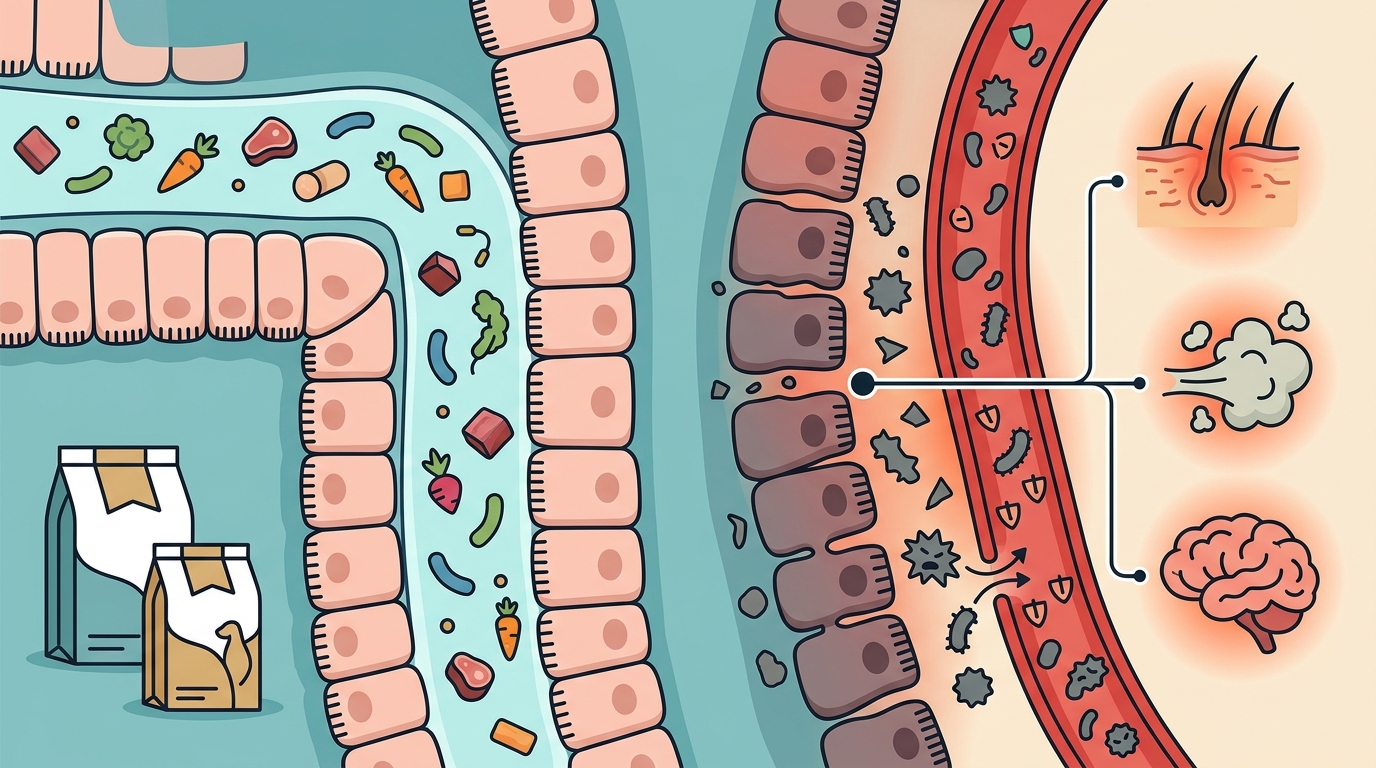
To understand this condition, we must first define the anatomy involved. Intestinal permeability is the measure of how much material passes through the intestinal wall. In a healthy dog, the intestinal lining acts as a selective barrier. It allows nutrients to pass into the bloodstream while keeping harmful substances out. This barrier is maintained by tight junctions, which are protein complexes that seal the spaces between cells.
When these tight junctions loosen or break down, the barrier becomes "leaky." This allows large, undigested food particles, toxic bacteria, and undigested toxins to slip through the intestinal wall and enter the bloodstream. The immune system recognizes these foreign invaders and launches an attack, leading to systemic inflammation. This process is often referred to as "leaky gut syndrome" in veterinary medicine.
Gut microbiome is the community of microorganisms living in the digestive tract. A healthy microbiome helps maintain the integrity of the intestinal barrier. When the balance of these microbes is disrupted, a condition known as dysbiosis, the tight junctions can weaken. This creates a vicious cycle where inflammation further damages the gut lining, allowing more toxins to enter the bloodstream.
Common Causes of Intestinal Permeability
Several factors can contribute to the development of leaky gut in dogs. Identifying the root cause is essential for effective prevention and treatment.
Dietary Triggers
The most common cause of leaky gut is poor diet. Dogs fed highly processed foods, those containing artificial preservatives, or diets high in carbohydrates can experience significant gut irritation. Ingredients like corn, wheat, and soy are frequent culprits for triggering allergic reactions and inflammation in the intestinal lining. Additionally, sudden changes in diet can disrupt the gut microbiome, leading to temporary permeability.
Environmental Stressors
Stress plays a significant role in gastrointestinal health. The gut-brain axis is a bidirectional communication system between the central nervous system and the enteric nervous system. When a dog experiences chronic stress, such as from separation anxiety, loud noises, or changes in routine, the body releases cortisol. Elevated cortisol levels can weaken the intestinal barrier, making it more susceptible to damage.
Medications and Toxins
Certain medications, particularly non-steroidal anti-inflammatory drugs (NSAIDs), can irritate the stomach lining and increase intestinal permeability. Parasites and exposure to environmental toxins, such as pesticides or heavy metals, can also damage the gut lining. It is crucial to work with a veterinarian to manage medication use and minimize exposure to harmful substances.
Symptoms to Watch For
Leaky gut can manifest in various ways, often making it difficult to diagnose without a comprehensive evaluation. Symptoms can range from mild digestive issues to severe systemic problems.
Digestive Issues
The most obvious signs of leaky gut are related to digestion. Dogs may experience chronic diarrhea, constipation, or alternating bouts of both. Bloating and excessive gas are also common indicators that the gut is struggling to process food properly. If your dog frequently has loose stools or seems uncomfortable after eating, it may be a sign of intestinal permeability.
Skin and Coat Problems
Because the gut and skin are closely linked, leaky gut often presents as skin issues. Dogs may develop itchy skin, hot spots, or recurrent ear infections. The coat may become dull, dry, or brittle. These symptoms occur because the immune system is distracted by the inflammation in the gut, leading to allergic reactions in the skin. Improving gut health often leads to significant improvements in skin and coat condition.
Behavioral Changes
Chronic pain and discomfort from inflammation can lead to behavioral changes. Dogs with leaky gut may become irritable, lethargic, or less active than usual. Some dogs may show signs of anxiety or depression due to the constant low-grade inflammation affecting their overall well-being. Monitoring your dog's behavior can provide valuable clues about their gut health.
Prevention Strategies & Diet
Preventing leaky gut involves a multi-faceted approach that focuses on diet, lifestyle, and environmental management. The goal is to support the intestinal barrier and maintain a healthy gut microbiome.
Nutritional Support
A balanced diet rich in whole foods is the foundation of gut health. Freeze-dried raw food is an excellent option for dogs with sensitive stomachs because it retains the natural enzymes and nutrients found in raw meat. These foods are easy to digest and less likely to trigger allergic reactions. Incorporating superfood organ treats can provide additional nutrients that support gut repair and immune function.
Probiotics and Prebiotics
Probiotics are live beneficial bacteria that help restore the balance of the gut microbiome. Prebiotics are fibers that feed these beneficial bacteria. Together, they help strengthen the intestinal barrier and reduce inflammation. Look for dog foods or supplements that contain specific strains of probiotics, such as Lactobacillus and Bifidobacterium, which have been shown to improve gut health.
Stress Management
Reducing stress is crucial for maintaining gut health. Provide your dog with a safe, comfortable environment and establish a consistent routine. Regular exercise and mental stimulation can help reduce anxiety and promote overall well-being. If your dog suffers from severe anxiety, consult with a veterinarian or a certified animal behaviorist for additional support.
Dietary Comparison for Gut Health
Choosing the right diet is critical for preventing and managing leaky gut. Below is a comparison of common dietary options and their impact on canine gut health.
| Diet Type | Gut Health Impact | Key Benefits | Potential Risks |
|---|---|---|---|
| Freeze-Dried Raw | Highly Positive | Retains natural enzymes, easy to digest, minimal processing | Higher cost, requires proper storage |
| Traditional Kibble | Mixed | Convenient, affordable, long shelf life | Highly processed, may contain allergens, low moisture |
| Fresh Cooked | Positive | Whole food ingredients, customizable | Requires preparation, shorter shelf life |
| Raw Meat Diet | Positive | Biologically appropriate, high protein | Bacterial contamination risk, nutritional imbalance if not formulated correctly |
Key Takeaways
- Leaky gut, or increased intestinal permeability, occurs when the intestinal barrier weakens, allowing toxins to enter the bloodstream.
- Common causes include poor diet, environmental stress, and certain medications like NSAIDs.
- Symptoms range from digestive issues like diarrhea to skin problems and behavioral changes.
- Freeze-dried raw food can support gut health by providing easily digestible, nutrient-dense meals.
- Probiotics and prebiotics help restore the balance of the gut microbiome and strengthen the intestinal barrier.
- Stress management is crucial for maintaining gut health due to the gut-brain axis connection.
- Trusted by over 30,000 pet parents, Get Joy offers vet-formulated whole foods designed to support superior gut health.
Frequently Asked Questions
Can leaky gut in dogs be cured?
While leaky gut can be managed effectively, it is often a chronic condition that requires ongoing dietary and lifestyle management. With the right approach, symptoms can be significantly reduced or eliminated.
What is the best food for dogs with leaky gut?
Freeze-dried raw food is often recommended because it is minimally processed and retains natural nutrients. It is easy to digest and less likely to trigger allergic reactions compared to highly processed kibble.
How long does it take for a dog's gut to heal?
The timeline for gut healing varies depending on the severity of the condition and the dog's overall health. Some dogs may see improvements within a few weeks, while others may require several months of consistent care.
Can stress cause leaky gut in dogs?
Yes, stress can significantly impact gut health. The gut-brain axis means that emotional stress can lead to physical changes in the intestines, including increased permeability.
Are probiotics necessary for dogs with leaky gut?
Probiotics can be very beneficial in restoring the balance of the gut microbiome. They help strengthen the intestinal barrier and reduce inflammation, supporting the healing process.
How do I know if my dog has leaky gut?
Symptoms include chronic digestive issues, skin problems, and behavioral changes. A veterinarian can perform tests to diagnose leaky gut and recommend a treatment plan.
Can I switch my dog to raw food immediately?
It is best to transition slowly to avoid digestive upset. Mix the new food with the old food, gradually increasing the proportion of the new food over 7-10 days.
Start Your Dog's Gut Health Journey
Addressing leaky gut requires a proactive approach to your dog's diet and lifestyle. By choosing high-quality, easily digestible foods and managing stress, you can support your dog's intestinal health and improve their overall well-being. Get Joy offers vet-formulated freeze-dried raw meals and superfood treats designed to repair and heal the gut. Visit our Our Story page to learn more about our mission to fuel joy through health. Explore our Shop All collection to find the perfect products for your dog's needs. Take the first step toward a healthier gut today by starting your subscription and saving on your dog's next meal.