
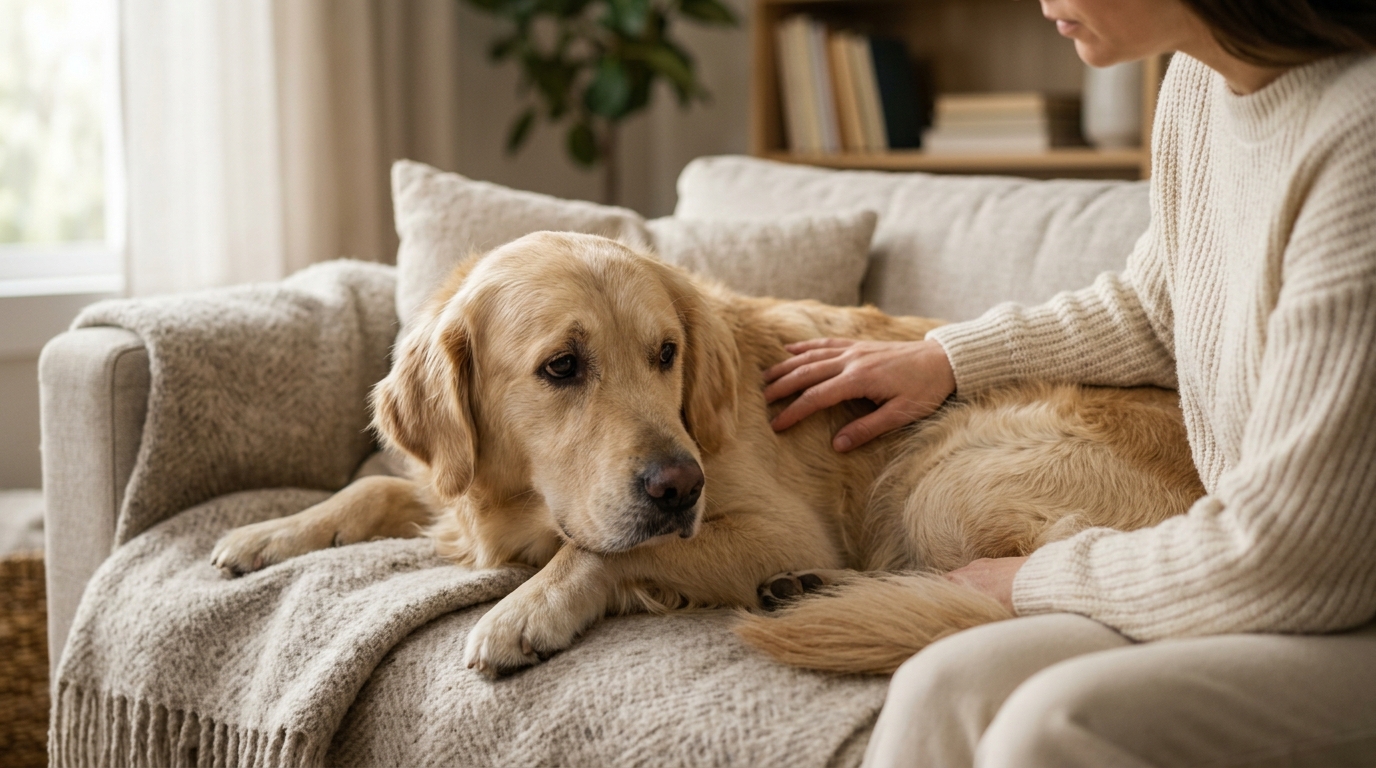
Gastrointestinal distress is one of the most common reasons pet owners seek veterinary care, yet it is often overlooked until symptoms become severe. According to recent veterinary health data, digestive issues affect a significant percentage of dogs at some point in their lives, with chronic gut imbalance linked to broader systemic health declines. Recognizing the early warning signs of an unhealthy gut is essential for maintaining your dog's long-term vitality and preventing costly medical interventions down the road.
Digestive Distress and Stool Irregularities
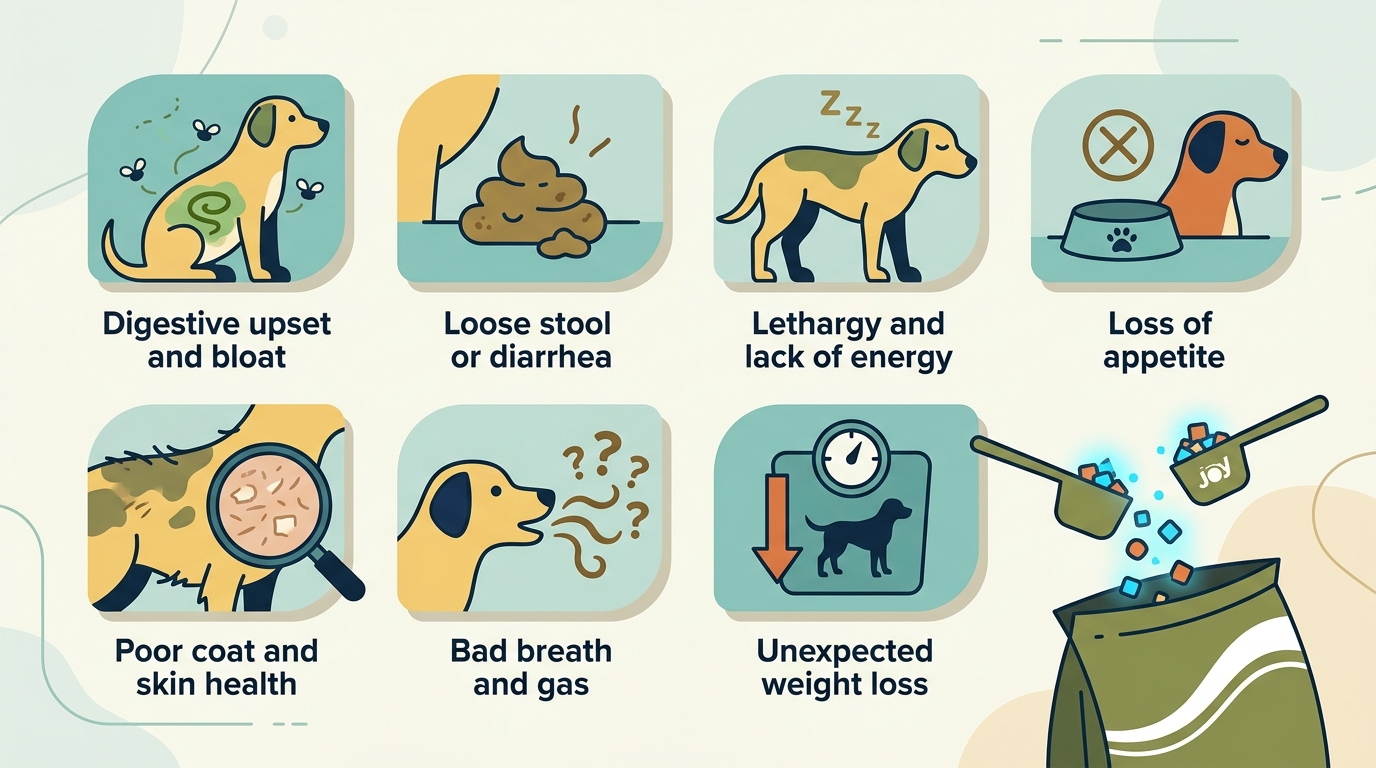
The most immediate indicator of gut health is the state of your dog's stool. A healthy digestive system produces firm, well-formed, and easily passed bowel movements. When the gut microbiome is disrupted, these characteristics change dramatically. Chronic diarrhea or consistently soft stools suggest that nutrients are not being absorbed properly, often due to inflammation or bacterial imbalance in the intestines.
Conversely, constipation can also signal a problem. If your dog is straining to defecate or producing hard, dry pellets, it may indicate a lack of fiber or moisture in the diet. Consistent changes in stool consistency are the primary signal that your dog's digestive tract is struggling. Owners should also monitor for the presence of mucus or blood in the stool, which are clear signs of intestinal irritation or infection. For dogs experiencing these issues, transitioning to a gentle, easily digestible diet can provide immediate relief. You can explore Get Joy's freeze-dried raw meals designed to support sensitive stomachs.
Skin Irritation and Coat Deterioration
The gut and the skin are intimately connected through the gut-skin axis. When the gut lining is compromised, toxins can leak into the bloodstream, triggering an immune response that manifests on the skin. This is often seen as persistent itching, redness, or hot spots that do not respond to standard topical treatments.
A dull, dry, or flaky coat is another hallmark of poor gut health. The skin and hair follicles require specific fatty acids and proteins to remain healthy. If the gut cannot absorb these nutrients effectively, the coat suffers. Itchy skin and a lackluster coat are often the first visible signs of internal digestive failure. Many pet owners find that improving gut health through diet leads to a dramatic improvement in skin condition and coat shine within weeks. Learn more about the connection between nutrition and skin health in our dog food blog.
Unexplained Fatigue and Energy Drops
Dogs with healthy guts typically have steady energy levels throughout the day. When the digestive system is working overtime to fight inflammation or process poorly digested food, the dog's body diverts energy away from activity and toward healing. This results in lethargy, reluctance to play, or a general lack of enthusiasm for walks.
This fatigue is not just physical; it is metabolic. The gut produces a significant portion of the body's energy substrates. If the microbiome is imbalanced, the production of short-chain fatty acids, which are crucial for energy, is reduced. Lethargy is a critical metabolic warning sign that the gut is not fueling the body correctly. If your dog seems unusually tired despite adequate rest, it is worth investigating their digestive health. Consider reviewing our subscription bundles to ensure consistent nutritional support.
Behavioral Shifts and Appetite Fluctuations
Behavioral changes are often overlooked as gut health indicators. Dogs with uncomfortable digestive systems may become irritable, anxious, or less responsive to training. This is partly due to physical discomfort but also because the gut-brain axis plays a major role in mood regulation.
Appetite fluctuations are also common. Some dogs may lose interest in food entirely, while others may develop pica, or the urge to eat non-food items like grass, dirt, or feces. This behavior is often an instinctive attempt to soothe the stomach or replenish missing nutrients. Changes in appetite or behavior are subtle but powerful indicators of gut discomfort. Addressing the root cause through dietary adjustment can often restore normal behavior and appetite. Explore our brand story to understand our approach to gut health.
Frequent Illness and Weak Immunity
Approximately 70% of the immune system is located in the gut. A healthy gut barrier prevents pathogens from entering the bloodstream, while a compromised barrier allows them to pass through, triggering constant immune activation. This leads to a weakened immune system that is less effective at fighting off actual infections.
Dogs with poor gut health are more susceptible to frequent ear infections, skin allergies, and respiratory issues. They may also take longer to recover from surgeries or illnesses. Frequent infections are a direct consequence of a gut that cannot support immune function. Strengthening the gut barrier through targeted nutrition is one of the most effective ways to boost overall immunity. Check out our Gut Health 101 guide for more insights.
Diagnosis and Nutritional Recovery
If you suspect your dog has an unhealthy gut, the first step is a veterinary examination to rule out parasites, infections, or structural issues. Once medical causes are excluded, dietary intervention is often the most effective treatment. High-quality, bioavailable nutrition is key to repairing the gut lining and restoring microbial balance.
Freeze-dried raw diets are particularly effective for gut repair because they retain the natural enzymes and nutrients found in fresh food. These diets are easy to digest and help reduce inflammation. Nutritional intervention is the cornerstone of long-term gut health recovery. Our superfood organ treats provide additional support for gut repair and overall wellness.
Key Takeaways
- Stool Consistency: Chronic diarrhea or constipation indicates poor nutrient absorption and gut irritation.
- Skin Health: Itchy skin and a dull coat are direct results of the gut-skin axis being compromised.
- Energy Levels: Lethargy often signals that the gut is not producing sufficient metabolic energy.
- Behavioral Shifts: Irritability and appetite changes are linked to the gut-brain axis and physical discomfort.
- Immune Function: Frequent illnesses suggest a weakened immune system due to gut barrier failure.
- Nutritional Repair: Freeze-dried raw diets can help restore gut health by providing bioavailable nutrients.
- Professional Guidance: Always consult a veterinarian to rule out medical causes before starting dietary changes.
Frequently Asked Questions
What are the first signs of an unhealthy gut in dogs?
The earliest signs are often digestive irregularities, such as soft stools or occasional diarrhea, followed by changes in energy levels and coat quality.
Can diet fix an unhealthy gut in dogs?
Yes, a high-quality, easily digestible diet like freeze-dried raw food can help repair the gut lining and restore microbial balance over time.
How long does it take for a dog's gut to heal?
With consistent dietary changes, many dogs show improvement in stool quality and energy levels within two to four weeks.
Is freeze-dried raw food good for sensitive stomachs?
Freeze-dried raw food is often recommended for sensitive stomachs because it is highly bioavailable and contains natural enzymes that aid digestion.
What is the gut-skin axis?
The gut-skin axis is the biological connection between digestive health and skin condition, where gut inflammation directly impacts skin health.
How does gut health affect a dog's behavior?
Gut health influences behavior through the gut-brain axis, where digestive discomfort and neurotransmitter production affect mood and activity levels.
When should I see a vet for gut issues?
You should see a vet if your dog experiences persistent vomiting, blood in the stool, or severe lethargy that does not improve with dietary changes.
What are superfood organ treats?
Superfood organ treats are nutrient-dense snacks made from beef organs that provide essential vitamins and minerals for gut and overall health.
Start Your Dog's Gut Health Journey
Don't wait for symptoms to become severe. Take control of your dog's health today by providing the nutrition they need to thrive. Visit Get Joy to explore our range of freeze-dried raw meals and superfood treats designed to support gut health and overall vitality. Join the thousands of happy pet parents who have transformed their dog's health with our vet-formulated whole foods.