

Canine lifespan expectations have shifted dramatically in recent decades. According to recent veterinary epidemiological studies, the average lifespan of companion dogs has increased by approximately 15% over the last twenty years due to advances in preventive care and nutrition. This statistical rise is not merely a product of better emergency medicine but reflects a fundamental change in how we approach daily canine wellness. The concept of Blue Zones, regions where people live the longest, offers a compelling framework for extending our dogs' lives. By adapting human longevity principles to canine biology, pet owners can significantly influence their dog's health trajectory. (Shop All Dog Food)
Understanding Canine Aging Patterns
Dogs age at a rate that is disproportionately faster than humans. The biological clock of a dog is influenced heavily by breed size and genetic predisposition. Small breeds often live significantly longer than large breeds, a phenomenon that challenges traditional linear aging models. Understanding this variance is the first step in applying longevity principles effectively.
Longevity in dogs is not just about adding years to life but adding life to years. The goal is to maintain mobility, cognitive function, and metabolic health well into the senior stages. This requires a proactive approach rather than a reactive one. When a dog shows signs of decline, the window for intervention may have already closed. Prevention through daily lifestyle choices is the cornerstone of extended canine life.
The gut microbiome plays a pivotal role in this aging process. A healthy gut supports immune function, nutrient absorption, and even mental clarity. Disruptions in gut health can accelerate aging markers, leading to chronic inflammation and organ stress. Prioritizing gut integrity is therefore a primary strategy for any dog longevity plan.
Blue Zones Parallels for Dogs
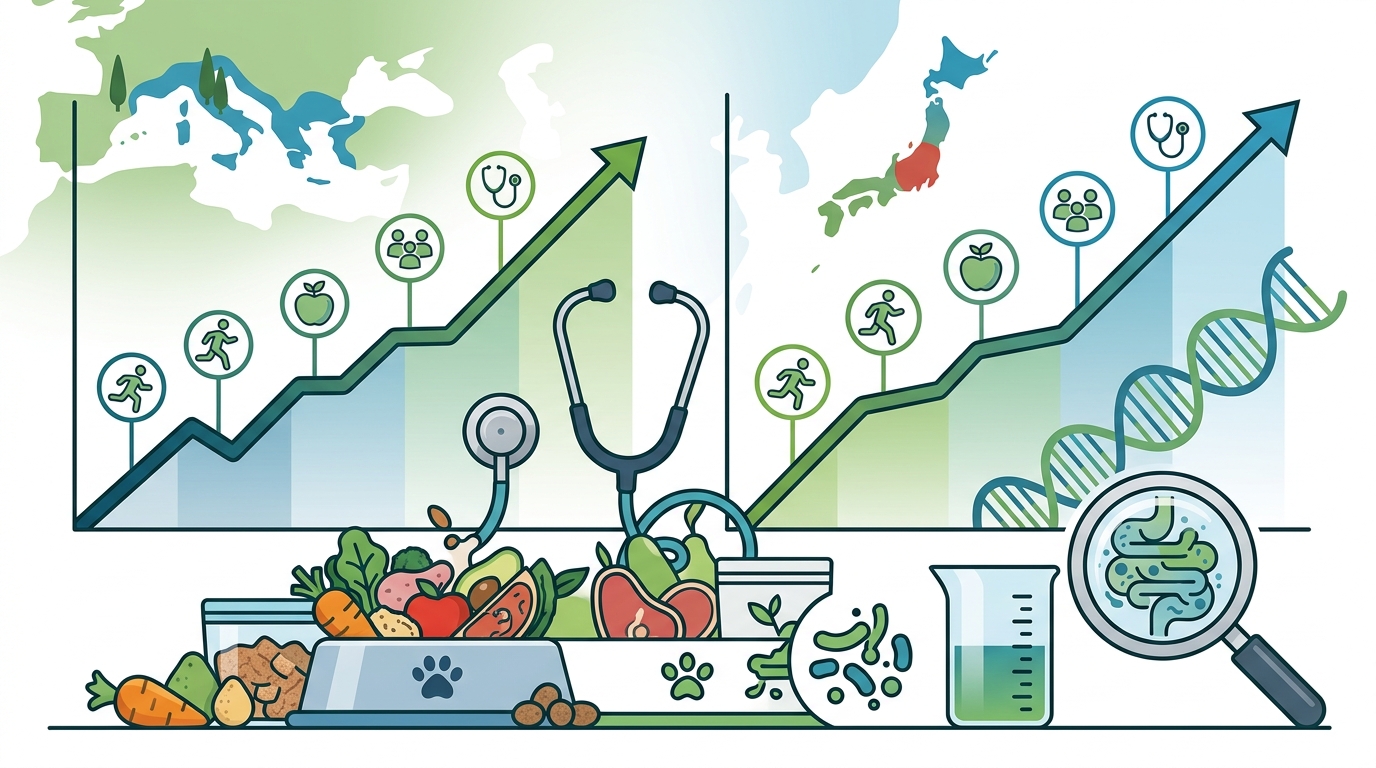
The Blue Zones are specific regions in the world, such as Okinawa in Japan and Sardinia in Italy, where people live longer and healthier lives. Researchers have identified common lifestyle factors in these regions, including plant-rich diets, natural movement, and strong social connections. These principles can be adapted for dogs with remarkable results.
One of the core tenets of Blue Zones is the concept of hara hachi bu, or eating until you are 80% full. Caloric restriction has been scientifically proven to extend lifespan in various species by reducing oxidative stress and improving metabolic efficiency. For dogs, maintaining a lean body condition is critical. Obesity is a leading cause of premature death in companion animals, contributing to joint disease, diabetes, and heart conditions.
Another parallel is the emphasis on natural movement. In Blue Zones, people do not go to the gym; they live active lives. Similarly, dogs benefit from consistent, moderate exercise rather than sporadic intense bursts. Daily walks, play sessions, and exploration keep joints lubricated and muscles toned. This aligns with the philosophy found in our dog food blog, which emphasizes consistent care routines.
Social connection is also vital. Dogs are pack animals. Isolation can lead to stress and anxiety, which negatively impacts physical health. Engaging your dog in social activities, whether through playdates or community events, supports their mental well-being. This holistic approach mirrors the community-centric lifestyle of human Blue Zone residents.
Nutrition Strategies for Longevity
Diet is the most significant modifiable factor in canine longevity. The quality of ingredients directly impacts cellular health and disease resistance. Processed foods often contain fillers and artificial additives that contribute to inflammation. In contrast, whole, nutrient-dense foods provide the building blocks for repair and maintenance.
Freeze-dried raw food has emerged as a superior option for many pet owners. This method preserves the natural enzymes and nutrients found in raw ingredients without the need for refrigeration. The result is a highly bioavailable diet that supports digestive health and immune function. Gut health 101 resources often highlight the benefits of such diets for reducing allergic reactions and improving coat quality.
Organ meats are particularly important in a longevity-focused diet. They are nutrient powerhouses, providing essential vitamins and minerals that support organ function. Including superfood beef organ treats in your dog's routine can offer targeted health benefits. These treats are not just snacks but functional foods that contribute to overall wellness.
Hydration is another critical component. Dogs often do not drink enough water, especially if they are on dry kibble diets. Incorporating wet or rehydrated foods can help maintain proper hydration levels. Proper hydration supports kidney function and helps flush toxins from the body. This is a simple yet powerful step in extending your dog's life.
Movement and Mental Stimulation
Physical activity is non-negotiable for longevity. Regular exercise helps maintain a healthy weight, strengthens the heart, and keeps joints flexible. However, the type of movement matters. Low-impact activities like swimming or walking are excellent for older dogs. High-impact activities should be moderated to prevent joint wear and tear.
Mental stimulation is equally important. Cognitive decline in dogs, similar to dementia in humans, can be slowed through enrichment. Puzzle toys, scent work, and training sessions keep the brain active. A stimulated dog is a happier dog, and happiness has physiological benefits. Reduced stress levels lead to lower cortisol production, which protects the immune system.
Regular veterinary check-ups are essential for monitoring health changes. Early detection of issues like dental disease or cancer can lead to more effective treatments. Preventive care is a key pillar of the Blue Zones philosophy. By staying ahead of health issues, you can manage them before they become life-threatening.
Comparing Dietary Models
Choosing the right diet can be confusing given the variety of options available. Below is a comparison of common dietary models to help you make an informed decision.
| Dietary Model | Primary Benefit | Longevity Impact | Best For |
|---|---|---|---|
| Freeze-Dried Raw | High nutrient retention | Supports gut health and immunity | Dogs with sensitivities |
| Traditional Kibble | Convenience and cost | Variable, often lower bioavailability | Budget-conscious owners |
| Fresh Cooked | Palatability | Good, but nutrient loss during cooking | Picky eaters |
| Raw Meaty Bones | Dental health | Risk of bacterial contamination | Healthy adults |
Each model has its place, but for longevity, the focus should be on nutrient density and digestibility. Freeze-dried raw options often strike the best balance between convenience and health benefits. They allow for easy integration of superfoods and organ meats into daily meals.
Key Takeaways
- Caloric restriction and maintaining a lean body condition are proven methods to extend canine lifespan.
- Gut health is the foundation of immune function and overall longevity in dogs.
- Blue Zones principles, such as natural movement and social connection, apply directly to canine care.
- Freeze-dried raw diets preserve nutrients better than traditional kibble, supporting metabolic health.
- Regular mental stimulation slows cognitive decline and reduces stress-related health issues.
- Organ meats provide essential micronutrients that support organ function and repair.
- Preventive veterinary care is critical for early detection and management of age-related diseases.
Frequently Asked Questions
Do Blue Zones principles really work for dogs?
Yes, the core principles of Blue Zones, including plant-rich nutrition, natural movement, and stress reduction, are biologically beneficial for dogs. These factors reduce inflammation and support cellular health, leading to a longer, healthier life.
What is the best diet for dog longevity?
Dietary needs vary by individual dog, but nutrient-dense, highly digestible foods are generally recommended. Freeze-dried raw diets are often preferred because they retain natural enzymes and nutrients that support gut health and immunity.
How does gut health affect dog lifespan?
A healthy gut microbiome regulates the immune system, aids in nutrient absorption, and reduces systemic inflammation. Dogs with robust gut health tend to have fewer chronic illnesses and live longer lives.
Can exercise reverse aging in dogs?
While exercise cannot reverse aging, it can significantly slow the progression of age-related decline. Regular physical activity maintains muscle mass, joint flexibility, and cardiovascular health, which are crucial for longevity.
Are organ treats beneficial for older dogs?
Yes, organ treats are rich in vitamins and minerals that support organ function. They are particularly beneficial for older dogs who may have reduced nutrient absorption from standard diets.
How often should I take my dog to the vet for preventive care?
It is recommended to have senior dogs checked at least twice a year. Regular blood work and physical exams can detect issues early, allowing for more effective management and treatment.
What role does mental stimulation play in longevity?
Mental stimulation reduces stress and prevents cognitive decline. Engaging your dog in puzzle toys, training, and social activities keeps their brain active and supports overall well-being.
Start Your Journey to a Longer Life
Implementing Blue Zones principles for your dog is a powerful way to enhance their quality of life. By focusing on nutrition, movement, and mental health, you can help your companion thrive for years to come. Explore our Freeze Dried Raw collection to find the perfect nutrition plan for your dog. Visit getjoyfood.com to begin your subscription and save on your first order.