
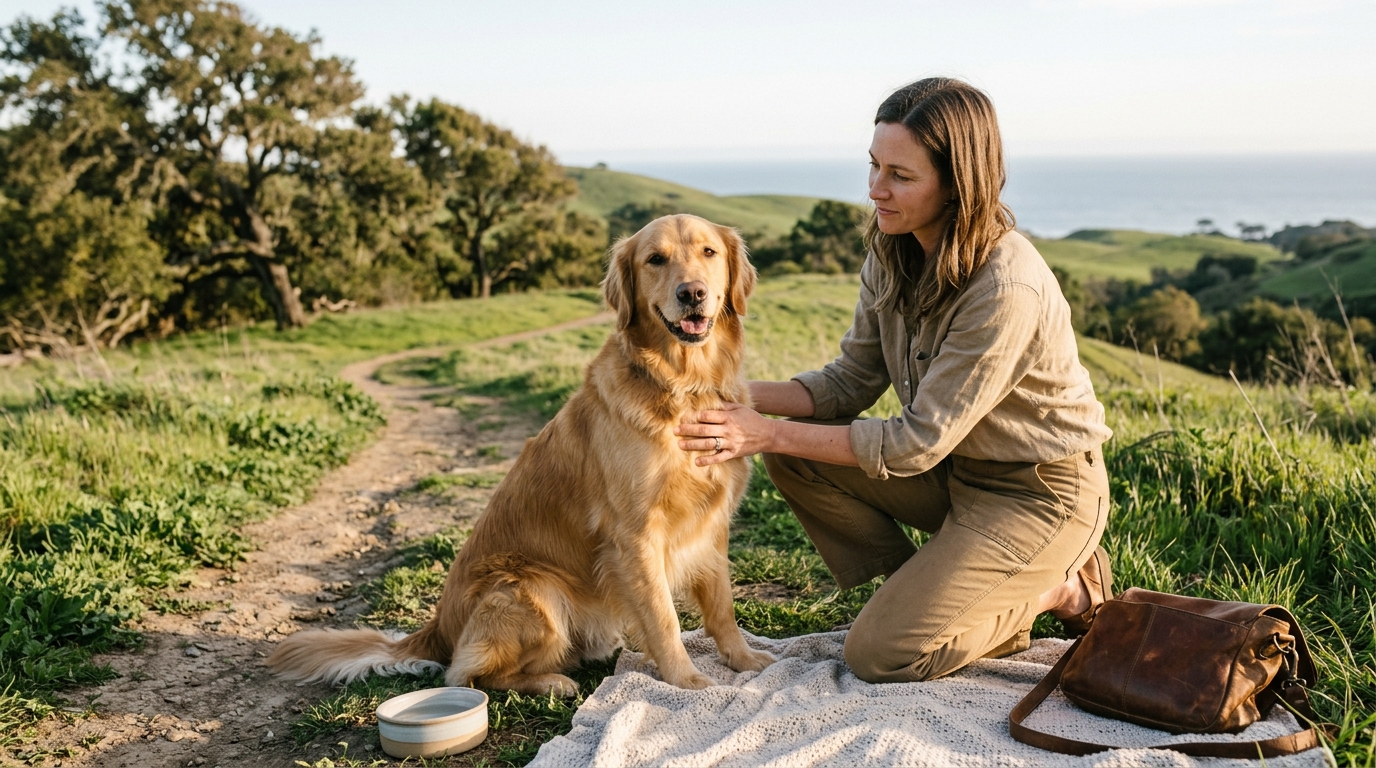
Recent veterinary epidemiological studies indicate that the average lifespan of domestic dogs has increased by approximately 15 percent over the last two decades. This growth correlates directly with advancements in preventive care and nutritional science. However, researchers are now looking beyond standard medicine to human longevity models for answers. The concept of "Blue Zones," regions where people live significantly longer than average, offers a compelling framework for canine health optimization.
Understanding Blue Zones and Canine Health
Blue Zones are specific geographic regions where people live up to five times longer than the global average. These areas include Okinawa in Japan, Sardinia in Italy, Nicoya in Costa Rica, Ikaria in Greece, and Loma Linda in California. The common thread among these populations is not genetics, but lifestyle. They share specific habits regarding diet, movement, and community.
Applying these principles to dogs requires translating human behavioral patterns into canine biology. Dogs are obligate carnivores, yet their digestive systems have adapted over thousands of years of domestication to process plant matter. This adaptation is crucial when considering the Blue Zone diet, which emphasizes whole, unprocessed foods. According to the National Institute on Aging, dietary restriction and nutrient density are key drivers of longevity in mammals. For dogs, this means prioritizing high-quality protein and nutrient-dense vegetables over fillers.
The goal is not to make a dog "human," but to align their biological needs with the environmental and dietary factors that promote cellular repair and reduce inflammation. This approach shifts the focus from merely treating illness to actively engineering a lifestyle that prevents it.
Dietary Patterns: The Plant-Forward Approach
In human Blue Zones, the diet is predominantly plant-based. While dogs require animal protein, the quality and processing of that protein matter immensely. Processed kibble often undergoes high-heat extrusion, which can degrade sensitive nutrients and create advanced glycation end products that promote inflammation. In contrast, fresh or freeze-dried raw diets preserve the natural enzymatic structure of the food.
Freeze-dried raw dog food for gut health is a growing category because it bridges the gap between nutritional purity and convenience. By removing moisture without using high heat, the biological integrity of the ingredients remains intact. This method allows for the inclusion of organ meats, which are nutrient powerhouses. Organ meats provide essential vitamins and minerals that are often stripped away in standard commercial diets.
When evaluating dog food, look for ingredients that mirror the whole-food philosophy of Blue Zones. This means avoiding artificial preservatives and fillers like corn, wheat, and soy. Instead, prioritize single-source proteins and recognizable vegetables. The Get Joy philosophy centers on this exact principle: providing vet-formulated whole foods that support metabolic health without compromise.
Hydration is another critical component of dietary longevity. Dogs that eat dry kibble often consume less water, leading to chronic mild dehydration. Fresh or rehydrated raw meals increase water intake naturally, supporting kidney function and cellular hydration. This simple shift can have profound effects on long-term organ health.
Gut Health: The Microbiome Connection
The gut microbiome is the ecosystem of bacteria, viruses, and fungi living in the digestive tract. In both humans and dogs, a diverse microbiome is strongly linked to a robust immune system and reduced risk of chronic disease. In Blue Zones, the consumption of fermented foods and fiber-rich plants supports this diversity. For dogs, the equivalent is the inclusion of prebiotics and probiotics in their diet.
Belly Biotics, a proprietary blend found in specialized canine nutrition, exemplifies this approach. These live cultures help balance the gut flora, leading to better nutrient absorption and reduced inflammation. A healthy gut lining prevents toxins from leaking into the bloodstream, a condition known as leaky gut, which is associated with autoimmune issues and allergies.
Research published in the journal Nature highlights the bidirectional relationship between gut health and systemic inflammation. When the gut is compromised, the immune system remains in a constant state of alert, accelerating aging. By prioritizing gut health, we directly influence the aging process. This is why many pet parents report visible improvements in their dog's coat and energy levels within weeks of switching to a gut-focused diet.
Superfood beef organ treats are an excellent way to introduce these beneficial nutrients gradually. These treats are not just snacks; they are functional foods that support digestive health while satisfying the dog's natural instinct to chew and consume organ meat. This dual benefit makes them a staple in longevity-focused feeding plans.
Movement and Natural Activity
Blue Zone residents do not go to the gym. They move naturally throughout the day. They garden, walk to work, and engage in manual labor. Dogs, particularly those living in urban environments, often suffer from a lack of natural movement. They are confined to small spaces or taken on short, structured walks that do not mimic their natural foraging behaviors.
To apply Blue Zone principles to canine movement, we must encourage unstructured play and exploration. This means allowing dogs to sniff, dig, and roam in safe environments. Sniffing, in particular, is a mentally stimulating activity that reduces cortisol levels. It engages the olfactory bulb, which is directly connected to the limbic system, the part of the brain responsible for emotion and memory.
Regular, moderate exercise is also crucial for maintaining joint health and muscle mass. High-intensity interval training is not necessary for most dogs. Instead, consistent, low-impact movement such as hiking or swimming is more beneficial for longevity. These activities build endurance without putting excessive stress on the joints. The dog food blog often discusses the importance of balancing nutrition with appropriate physical activity to maintain an ideal weight.
Weight management is perhaps the single most important factor in extending a dog's life. Obesity is linked to arthritis, diabetes, and heart disease. By mimicking the natural activity levels of wild canids, we can help our pets maintain a healthy weight naturally. This involves not just the amount of exercise, but the variety and enjoyment of the movement.
Stress Management and Social Bonds
Social connection is a cornerstone of Blue Zone longevity. Strong ties to family, friends, and community provide emotional support and reduce stress. Dogs are pack animals, and their social needs are equally profound. Isolation and lack of stimulation can lead to anxiety, which accelerates aging through chronic stress hormone exposure.
Creating a rich social environment for your dog involves regular interactions with other dogs and humans. Dog parks, playdates, and community events can provide the social stimulation they crave. However, it is important to ensure these interactions are positive and safe. Negative social experiences can have the opposite effect, increasing fear and anxiety.
Routine and predictability also reduce stress. Dogs thrive on structure. Knowing when they will eat, walk, and play provides a sense of security. This is where the convenience of freeze-dried raw meals comes into play. Preparing a fresh meal is quick and easy, allowing you to maintain a consistent routine without the hassle of thawing or cooking. The Get Joy bundles offer a streamlined way to ensure your dog receives consistent nutrition every day.
Mental stimulation is equally important. Puzzle toys, training sessions, and new smells can keep the brain sharp. Cognitive decline in dogs, similar to dementia in humans, can be slowed through active engagement. By treating your dog as a social and intellectual being, you support their overall well-being.
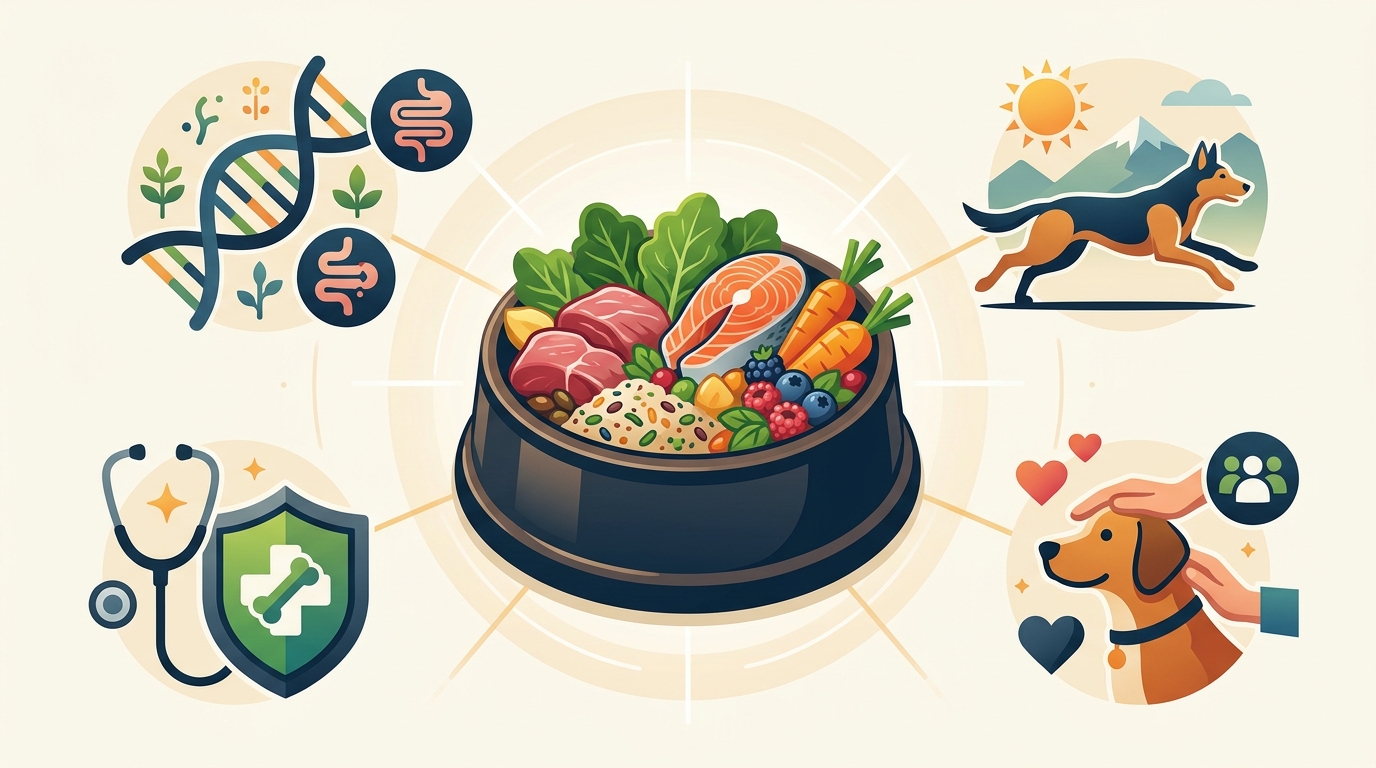
Comparing Human and Canine Longevity Factors
While the parallels between human and canine longevity are strong, there are key differences. Dogs age faster than humans, with their lifespan compressed into a shorter timeframe. This means that interventions must be more aggressive and consistent. A year in dog years is not a linear conversion, but the impact of lifestyle choices is magnified.
| Factor | Human Blue Zone Application | Canine Application |
|---|---|---|
| Diet | Plant-heavy, whole foods | High-protein, organ-rich, fresh/raw |
| Movement | Natural, daily labor | Unstructured play, sniffing, hiking |
| Social | Community ties, family | Pack interaction, owner bonding |
| Stress | Low cortisol, routine | Mental stimulation, predictability |
| Gut Health | Fermented foods, fiber | Probiotics, prebiotics, raw enzymes |
This comparison highlights that while the mechanisms are similar, the execution must be tailored to the species. Dogs do not need a vegan diet, but they do need a diet that is free from processed additives and rich in bioavailable nutrients. The Get Joy product collection is designed to meet these specific needs.
Furthermore, the concept of "hara hachi bu" from Okinawa, which means eating until you are 80 percent full, is highly relevant to dogs. Overfeeding is a common issue among pet owners. Practicing portion control and adjusting for activity levels can prevent obesity and extend lifespan. Regular veterinary check-ups are also essential to monitor health markers and adjust the diet as the dog ages.
Key Takeaways
- Dietary Purity: Fresh or freeze-dried raw diets preserve enzymatic integrity, supporting better digestion and nutrient absorption compared to high-heat processed kibble.
- Gut Microbiome: A diverse gut flora is linked to reduced inflammation and a stronger immune system, which are critical for slowing the aging process in dogs.
- Natural Movement: Unstructured play and sniffing reduce cortisol levels and provide mental stimulation, mimicking the natural activity patterns of wild canids.
- Social Connection: Strong bonds with owners and other dogs provide emotional security, reducing stress-related aging.
- Portion Control: Feeding dogs until they are 80 percent full, a practice from Okinawa, helps maintain a healthy weight and prevents obesity-related diseases.
- Organ Meats: Including superfood beef organ treats provides essential vitamins and minerals that are often lacking in standard commercial diets.
- Consistency: A predictable routine for feeding and exercise reduces anxiety and supports overall metabolic health.
Frequently Asked Questions
Can dogs eat the same diet as humans in Blue Zones?
No, dogs are obligate carnivores and require animal protein. However, they can benefit from the same principles of whole, unprocessed foods and nutrient density found in Blue Zone diets.
How does gut health affect dog longevity?
A healthy gut microbiome reduces systemic inflammation and supports the immune system. This prevents chronic diseases and slows the aging process, leading to a longer, healthier life.
Is freeze-dried raw food better than kibble?
Freeze-dried raw food preserves more nutrients and enzymes than high-heat processed kibble. It also provides higher moisture content, which supports hydration and kidney health.
What is the "80 percent full" rule for dogs?
This rule suggests feeding your dog until they are 80 percent full to prevent overeating. It helps maintain a healthy weight and reduces the risk of obesity-related health issues.
How can I reduce stress in my dog?
Provide regular social interaction, mental stimulation through puzzle toys, and a predictable daily routine. These factors help lower cortisol levels and promote emotional well-being.
Do organ treats provide enough nutrition?
Organ treats are nutrient-dense and provide essential vitamins and minerals. They are best used as a supplement to a balanced diet, not as the sole source of nutrition.
How often should I switch my dog to a fresh diet?
Transitioning to a fresh or freeze-dried raw diet can be done gradually. Many owners see improvements in energy and coat quality within a few weeks of consistent feeding.
What role does sniffing play in dog health?
Sniffing is a mentally stimulating activity that engages the brain and reduces stress. It mimics natural foraging behaviors and provides a form of mental exercise for dogs.
Start Your Dog's Longevity Journey
Applying Blue Zone principles to your dog's life is not about complex medical interventions. It is about returning to the basics of whole food nutrition, natural movement, and strong social bonds. By choosing high-quality, vet-formulated ingredients, you are investing in your dog's future. Get Joy offers a range of freeze-dried raw meals and superfood treats designed to support gut health and overall longevity. Start your subscription today and see the difference in your dog's energy, coat, and overall well-being.