

Most pet owners assume that a bag of kibble labeled "complete and balanced" is sufficient for their dog's long-term health. However, emerging veterinary data suggests that standard commercial diets often lack the bioactive compounds necessary for true physiological optimization. According to recent industry analyses, over 80% of dogs suffer from some form of digestive or metabolic imbalance that could be mitigated through targeted nutritional interventions. This statistic highlights a critical gap between mere survival and thriving in modern pet care.
Defining Functional Nutrition
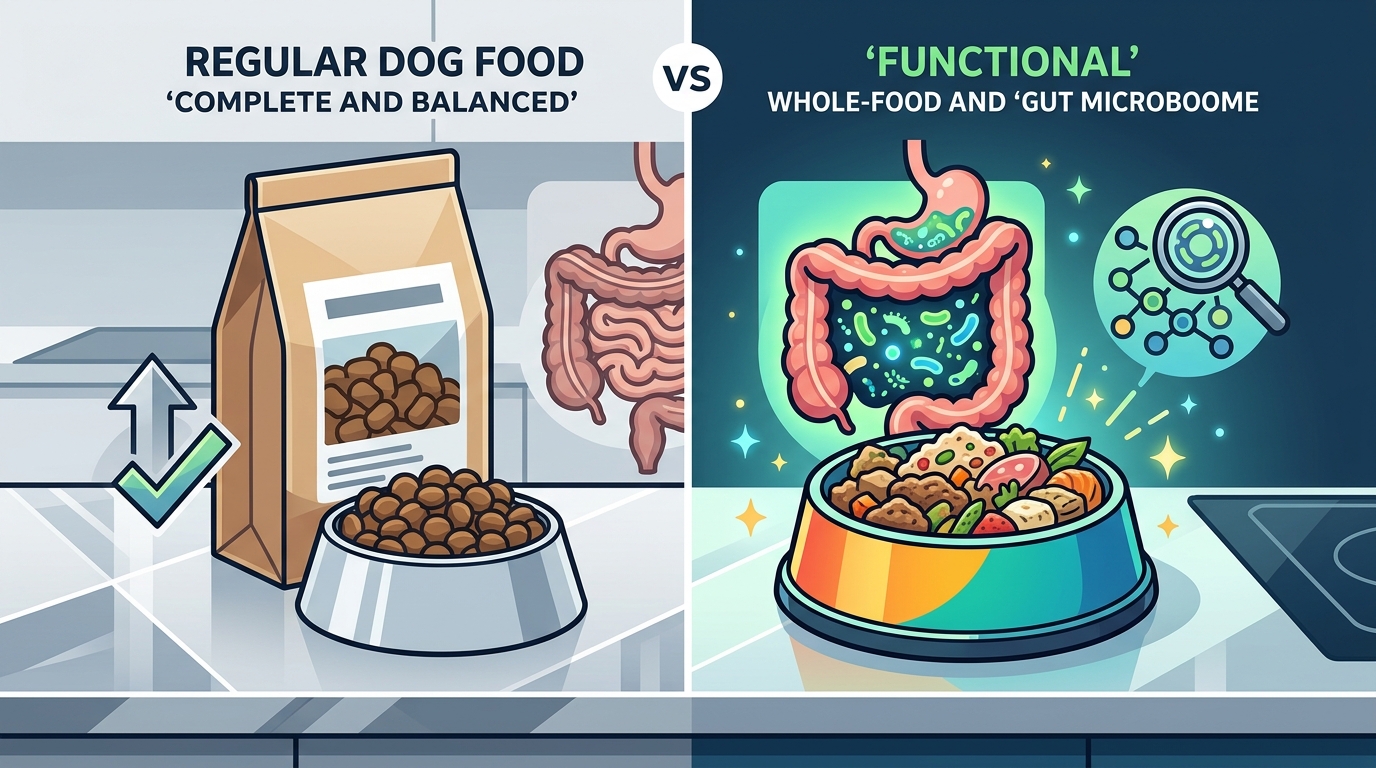
To understand the difference, we must first establish clear definitions. Functional nutrition is a holistic approach to pet health that uses specific food ingredients to support, restore, or optimize physiological functions. Unlike regular dog food, which primarily focuses on meeting minimum macronutrient requirements to prevent deficiency diseases, functional nutrition targets the root causes of chronic issues.
Regular dog food is typically processed at high temperatures to ensure shelf stability. This process, while convenient, often destroys natural enzymes and sensitive nutrients. In contrast, functional diets utilize methods like freeze-drying or gentle dehydration to preserve the integrity of whole foods. This preservation ensures that the bioavailability of vitamins and minerals remains high, allowing the dog's body to actually utilize what it consumes.
Another critical definition is necessary here. Freeze-dried raw food is a preservation method where fresh ingredients are frozen and then placed in a vacuum chamber to remove moisture via sublimation. This technique retains up to 97% of the original nutritional value, compared to traditional kibble which may lose significant nutrient density during extrusion.
The Gut Health Connection
The primary differentiator between regular and functional diets is their impact on the gastrointestinal tract. The gut is not just a digestive organ; it is the command center for the immune system. When the gut lining is compromised, often due to low-quality fillers and artificial additives in standard kibble, systemic inflammation can occur.
Functional nutrition prioritizes gut repair through the inclusion of prebiotics, probiotics, and postbiotics. For instance, Get Joy utilizes a proprietary blend called Belly Biotics™ to support this ecosystem. These live cultures help balance the microbiome, leading to better nutrient absorption and a stronger immune response. Regular diets rarely contain live cultures because the high-heat processing kills them. Consequently, the dog misses out on the critical benefits of a balanced gut flora.
Consider the timeline of improvement. Within the first week of switching to a functional diet, many owners report noticeable changes in stool quality. This is often the first sign that the gut is beginning to repair itself. By week two, improvements in skin elasticity and coat softness become apparent. This is not magic; it is the result of reduced inflammation and improved nutrient uptake.
Identifying If Your Dog Needs It
How do you know if your current feeding strategy is failing your pet? Look for these specific behavioral and physical markers. If your dog exhibits chronic itching, ear infections, or persistent bad breath, these are often symptoms of underlying food sensitivities or poor digestion.
Energy levels are another key indicator. A dog on a functional diet often displays sustained energy throughout the day, rather than the post-meal crash common with high-carb kibble. Additionally, watch for changes in body composition. Functional nutrition supports healthy weight management by optimizing metabolism, whereas regular diets may lead to weight gain due to poor satiety signals.
If you are unsure, consider starting with a diagnostic approach. Many functional brands offer personalized feeding plans based on your dog's breed, weight, and activity level. This ensures that the transition is smooth and the nutritional goals are met. You can also consult with veterinary professionals who specialize in nutritional therapy.
Comparison: Regular vs. Functional
The following table outlines the structural differences between traditional commercial kibble and functional freeze-dried nutrition.
| Feature | Regular Dog Food (Kibble) | Functional Nutrition (Freeze-Dried) |
|---|---|---|
| Processing Method | High-heat extrusion | Vacuum freeze-drying |
| Nutrient Density | Lower (nutrients lost in heat) | Higher (up to 97% retention) |
| Probiotic Content | None (live cultures killed) | Live cultures (e.g., Belly Biotics™) |
| Ingredient Quality | Often includes fillers and by-products | Whole, human-grade ingredients |
| Gut Impact | Neutral or potentially inflammatory | Repairing and optimizing microbiome |
As you can see, the gap in quality is significant. While regular food meets the bare minimum standards set by regulatory bodies, functional nutrition aims for optimal health outcomes. This distinction is crucial for pet parents who view their dogs as family members deserving of the best possible care.
Key Takeaways
- Processing Matters: High-heat extrusion in kibble destroys natural enzymes, whereas freeze-drying preserves up to 97% of nutrients.
- Gut Health is Immune Health: A balanced microbiome, supported by live probiotics, is essential for systemic immunity.
- Visible Results: Improvements in coat, energy, and digestion often appear within the first few weeks of switching.
- Personalized Nutrition: Functional diets can be tailored to specific breeds, ages, and activity levels for maximum efficacy.
- Long-Term Savings: Investing in high-quality nutrition may reduce future veterinary costs associated with chronic digestive issues.
- Ingredient Transparency: Functional brands typically use whole, recognizable ingredients rather than vague meat by-products.
- Convenience: Modern functional foods, like freeze-dried meals, offer the benefits of raw diets without the mess.
Frequently Asked Questions
Is freeze-dried raw food safe for dogs?
Yes, when produced by reputable companies that follow strict safety protocols. The freeze-drying process eliminates pathogens while preserving the nutritional integrity of the food. It is a safe and convenient alternative to fresh raw diets.
How do I transition my dog to functional food?
Always transition gradually over 7 to 10 days. Mix increasing amounts of the new food with the old food to prevent digestive upset. This allows the gut microbiome to adjust to the new nutrient profile.
Can functional food help with allergies?
Often, yes. Many food sensitivities are triggered by fillers, grains, or artificial additives found in regular kibble. Functional diets use limited, high-quality ingredients that are less likely to cause adverse reactions.
Is freeze-dried food more expensive than kibble?
While the upfront cost per bag may be higher, the nutrient density means you feed less volume. Additionally, the long-term health benefits can offset the cost by reducing veterinary bills. Many brands also offer subscription discounts.
What is Belly Biotics™?
Belly Biotics™ is a proprietary blend of probiotics and prebiotics designed to support gut health. It helps balance the microbiome, leading to better digestion and immune function.
How long does it take to see results?
Most owners notice improvements in stool quality within the first week. Skin and coat improvements typically appear within two to three weeks. Full metabolic benefits may take a month or more to manifest.
Do I need to refrigerate freeze-dried food?
No, one of the main benefits is its shelf stability. Once opened, it should be stored in an airtight container in a cool, dry place. This makes it ideal for travel and daily convenience.
Start Your Dog's Transformation
Don't wait for symptoms to worsen before addressing your dog's nutritional needs. The difference between regular food and functional nutrition is the difference between surviving and thriving. Explore our Freeze Dried Raw Meals to find the perfect diet for your pet. You can also learn more about our mission to improve gut health through whole foods. For personalized recommendations, build your custom bundle today. Visit our Dog Food Blog for more expert insights. Ready to upgrade their bowl? Start your subscription now and save on your first order.