

Understanding the complex ecosystem inside your dog's digestive tract is the first step toward unlocking their full potential for health and vitality. Recent veterinary research indicates that a balanced gut microbiome is directly linked to stronger immune responses, better nutrient absorption, and even improved mental clarity in canines. When you introduce targeted supplements like probiotics, prebiotics, and postbiotics, you are essentially feeding the beneficial bacteria that live within your pet's intestines. This guide will clarify the distinct roles of each component, explain why daily consistency matters, and show you how to integrate these elements into your dog's routine for maximum benefit.
What Are Probiotics and Do Dogs Need Them?
Probiotics are live microorganisms that, when administered in adequate amounts, confer a health benefit on the host. In the context of canine health, these are typically strains of bacteria such as Lactobacillus and Bifidobacterium. These beneficial bacteria colonize the gut lining, helping to crowd out harmful pathogens and support the intestinal barrier. Probiotics are the active agents that directly populate the gut with helpful bacteria.
Dogs naturally carry a diverse microbiome, but factors like antibiotics, dietary changes, stress, and aging can disrupt this balance. When the population of good bacteria drops, dogs may experience digestive upset, loose stools, or weakened immunity. Supplementing with high-quality probiotics helps restore this equilibrium. Many modern pet foods, including freeze-dried raw meals, are formulated to support this natural balance by using clean, whole-food ingredients that are easier for dogs to digest.
According to the Veterinary Information Network, maintaining a healthy gut flora is critical for preventing chronic inflammatory conditions in dogs. The goal is not just to treat symptoms but to build a resilient internal environment that can handle daily stressors.
The Role of Prebiotics in Canine Nutrition
While probiotics are the live bacteria, prebiotics are the food that keeps them alive. Prebiotics are non-digestible fibers that pass through the upper gastrointestinal tract and reach the colon intact. Once there, they are fermented by the beneficial bacteria, stimulating their growth and activity. Prebiotics are the essential fuel source for probiotic bacteria.
Common prebiotic sources for dogs include chicory root, beet pulp, and certain types of resistant starch. These ingredients are often found in superfood treats and specialized supplements designed to enhance gut health. Without prebiotics, probiotic supplements may not survive long enough in the gut to provide significant benefits. The synergy between the two is what creates a thriving microbial ecosystem.
Research published in the Journal of Animal Science highlights that prebiotic supplementation can significantly improve fecal quality and reduce the incidence of diarrhea in dogs. This is because the fermentation process produces short-chain fatty acids, which provide energy to the colon cells and strengthen the gut barrier.
Understanding Postbiotics and Their Impact
Postbiotics are the metabolic byproducts produced by the fermentation of prebiotics by probiotics. These include enzymes, organic acids, and peptides that have direct physiological effects on the host. Unlike probiotics, postbiotics are not live organisms, which makes them more stable and easier to store. Postbiotics are the beneficial compounds resulting from bacterial fermentation.
Postbiotics play a crucial role in modulating the immune system and reducing inflammation. They help to maintain the integrity of the intestinal lining, preventing "leaky gut" syndrome, where toxins and undigested food particles escape into the bloodstream. This is particularly important for dogs with sensitive stomachs or food allergies.
Recent studies suggest that postbiotics may offer similar benefits to probiotics without the need for live cultures to survive the digestive process. This makes them a valuable addition to canine supplements and functional foods. By focusing on postbiotic-rich diets, pet owners can support their dog's health even if the live bacteria count fluctuates.
Should You Give Probiotics Every Day?
The question of whether to give probiotics daily depends on your dog's specific health needs and lifestyle. For dogs with chronic digestive issues, those on antibiotics, or seniors with declining gut health, daily supplementation is often recommended. Consistency is key because the gut microbiome is a dynamic environment that requires regular support to maintain balance.
However, for healthy dogs with robust digestive systems, daily probiotics may not be strictly necessary if their diet is already rich in prebiotics and whole foods. Many pet owners choose to use probiotics during times of stress, such as travel, boarding, or changes in diet. Read more about gut health strategies to understand how to tailor supplementation to your dog's unique profile.
It is important to note that probiotics are not a one-time fix. They work best as part of a long-term health strategy. Just as you would eat vegetables every day to stay healthy, providing your dog with the right nutrients daily helps maintain their internal balance. This approach aligns with the philosophy behind Get Joy's mission to make health effortless for pets and their owners.
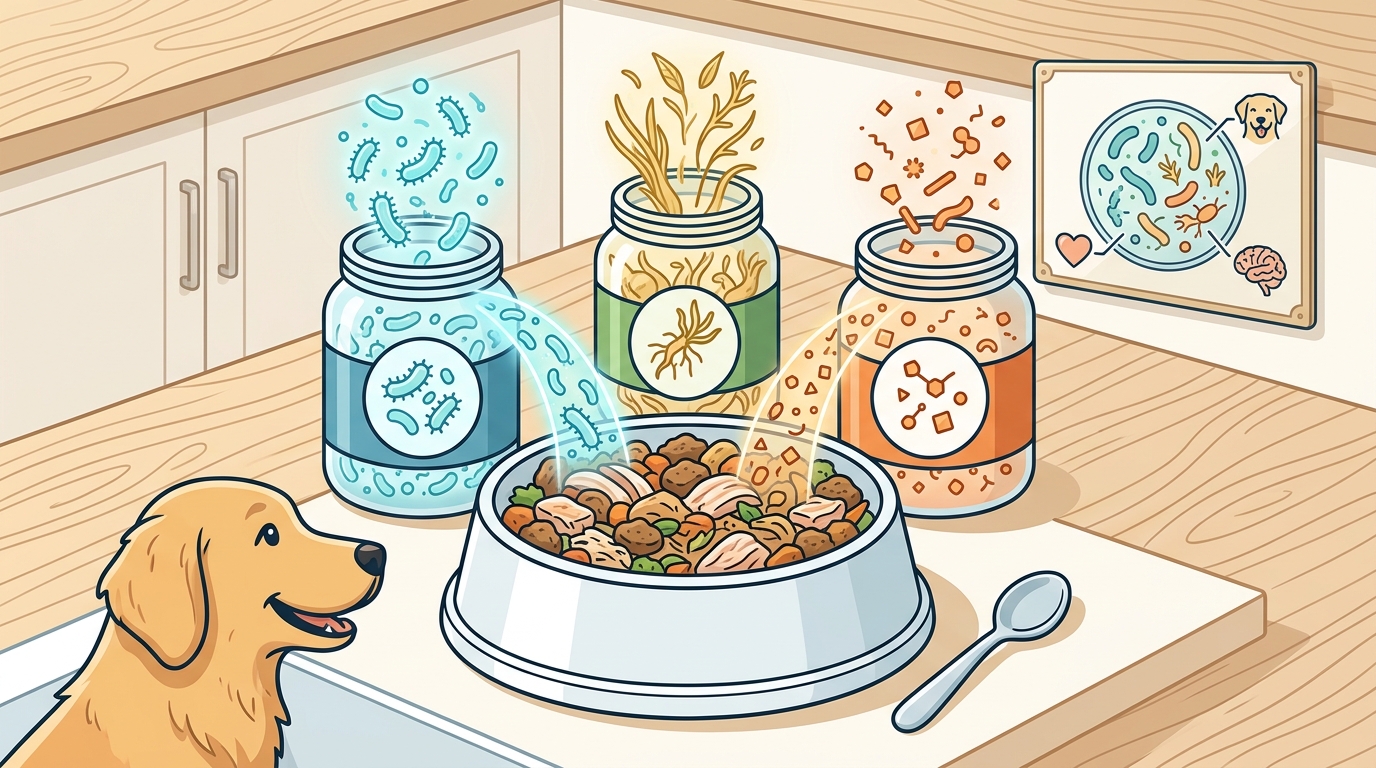
Probiotics vs Prebiotics vs Postbiotics Comparison
| Component | Type | Primary Function | Common Sources |
|---|---|---|---|
| Probiotics | Live Bacteria | Populate gut with beneficial microbes | Supplements, fermented foods |
| Prebiotics | Fiber | Fuel the growth of good bacteria | Chicory root, beet pulp, bananas |
| Postbiotics | Metabolic Byproducts | Reduce inflammation, support immunity | Fermentation products, specialized extracts |
Understanding these differences helps you make informed decisions about your dog's diet. A holistic approach often involves all three components to ensure a thriving gut environment. For example, a bundle of freeze-dried raw food and supplements can provide a comprehensive solution for gut health.
Key Takeaways
- Probiotics are live bacteria that directly colonize the gut and help crowd out harmful pathogens.
- Prebiotics are non-digestible fibers that serve as food for probiotics, stimulating their growth and activity.
- Postbiotics are metabolic byproducts that offer anti-inflammatory and immune-supporting benefits.
- Daily supplementation is recommended for dogs with digestive issues, those on antibiotics, or seniors.
- Consistency is crucial for maintaining a balanced gut microbiome over the long term.
- Whole-food diets, such as fresh meals, often contain natural prebiotics and support gut health.
- Consulting with a veterinarian is essential before starting any new supplement regimen.
Frequently Asked Questions
Can I give my dog human probiotics?
While some human probiotics may be safe, it is best to use supplements specifically formulated for dogs. Canine probiotics contain strains that are tailored to the unique digestive system of dogs, ensuring maximum efficacy and safety.
How long does it take for probiotics to work in dogs?
Some dogs may show improvements in stool quality within a few days, but it can take several weeks to fully rebalance the gut microbiome. Consistent daily use is necessary for long-term benefits.
Are prebiotics safe for all dogs?
Prebiotics are generally safe for most dogs, but it is important to introduce them gradually to avoid gas or bloating. Start with small amounts and monitor your dog's response.
What is the best way to administer probiotics to dogs?
Probiotics can be mixed into your dog's food, sprinkled on top, or given as a capsule. Many pet owners prefer probiotic-rich treats for easier administration and better palatability.
Do postbiotics replace the need for probiotics?
Postbiotics offer many of the same benefits as probiotics but do not colonize the gut. They are often used in combination with probiotics for a comprehensive approach to gut health.
Can probiotics help with dog allergies?
Yes, a healthy gut microbiome is linked to a stronger immune system, which can help reduce the severity of allergic reactions. Many pet owners find that gut health supplements help manage allergy symptoms.
Is it safe to give probiotics to puppies?
Probiotics can be beneficial for puppies, especially during weaning or when transitioning to solid food. However, always consult with a veterinarian to determine the appropriate dosage and strain for young dogs.
Start Your Dog's Gut Health Journey
Investing in your dog's gut health is one of the most impactful things you can do for their overall well-being. By understanding the differences between probiotics, prebiotics, and postbiotics, you can make informed decisions about their diet and supplementation. Explore our range of freeze-dried raw meals and gut health supplements to find the perfect solution for your pet. Visit Get Joy today to start building a healthier, happier future for your furry friend.