

Canine digestive health is the foundation of overall vitality, yet it is often overlooked until symptoms become severe. Recent veterinary data indicates that gastrointestinal issues affect a significant portion of the dog population, with up to 20% of dogs experiencing chronic digestive discomfort at some point in their lives. Recognizing the early warning signs of gut dysbiosis is crucial for preventing long-term health complications. This guide details the primary indicators of an unhealthy gut and explains how targeted nutritional interventions can restore balance.
Digestive Distress and Stool Quality
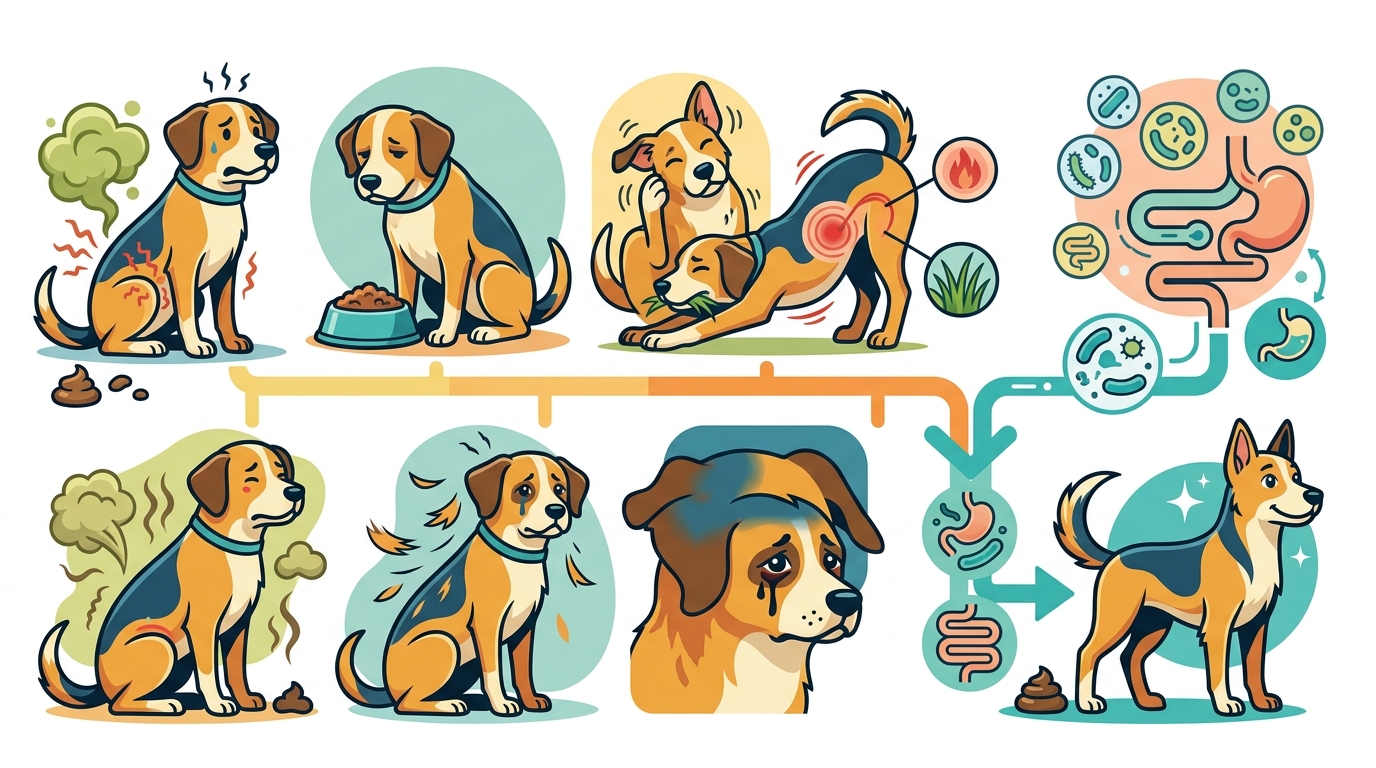
The most immediate indicator of gut health is the consistency and frequency of your dog's bowel movements. A healthy gut produces firm, well-formed stools that are easy to pass. When the microbiome is disrupted, you will often see loose, watery, or unusually soft stools. This condition, known as diarrhea, signals that the gut lining is inflamed or that harmful bacteria are outpacing beneficial ones.
Conversely, constipation can also signal a problem. Hard, dry stools suggest that the gut is not absorbing water properly or that there is a lack of fiber diversity in the diet. According to veterinary nutritionists, the gut is responsible for regulating water balance in the body. When this regulation fails, stool quality deteriorates rapidly. If your dog is straining to defecate or passing blood, these are critical signs that require immediate veterinary attention.
Another common symptom is excessive gas. While some flatulence is normal, frequent and foul-smelling gas indicates that food is fermenting in the wrong part of the digestive tract. This fermentation process produces gases like hydrogen and methane, which are byproducts of bacterial overgrowth. Addressing this early can prevent more serious inflammatory conditions from developing.
Skin Irritation and Coat Dullness
The gut and the skin are intimately connected through the gut-skin axis. When the gut is unhealthy, toxins can leak through the compromised intestinal lining into the bloodstream. This condition, often referred to as "leaky gut," triggers an immune response that manifests on the skin. You may notice your dog developing hot spots, redness, or persistent itching.
A dull, dry, or flaky coat is another hallmark of poor gut health. Nutrients from food must be properly absorbed to support healthy skin cell regeneration and fur growth. If the gut is inflamed, it cannot absorb essential fatty acids, vitamins, and minerals. This leads to a lackluster appearance and increased shedding. Many pet parents find that switching to a highly bioavailable diet, such as freeze-dried raw meals, significantly improves coat shine within weeks.
Allergies are also closely tied to gut health. Approximately 80% of the immune system resides in the gut. When the gut microbiome is imbalanced, the immune system becomes hypersensitive, reacting to harmless substances like pollen or food proteins. This results in chronic allergic reactions that are difficult to manage without addressing the root cause in the digestive system.
Unexplained Lethargy and Energy Drops
If your dog seems less enthusiastic about walks, playtime, or daily activities, their gut health should be the first suspect. The gut is often called the "second brain" because it produces a significant amount of neurotransmitters, including serotonin and dopamine. These chemicals regulate mood and energy levels.
When the gut is inflamed, the body diverts energy away from physical activity and toward healing the digestive tract. This results in a noticeable drop in vitality. Your dog may sleep more, move slower, or lose interest in toys they previously loved. This lethargy is not just a sign of aging; it is a signal that the body is struggling to process nutrients efficiently.
Furthermore, poor gut health can lead to blood sugar instability. If the gut cannot properly break down carbohydrates, your dog may experience energy crashes after meals. This cycle of highs and lows can make your dog appear irritable or exhausted. Stabilizing the gut through consistent, high-quality nutrition helps maintain steady energy levels throughout the day.
Behavioral Shifts and Mood Swings
Behavioral changes are often overlooked as symptoms of physical illness. However, the gut-brain axis is a powerful communication pathway. When the gut is unhealthy, it sends distress signals to the brain, which can manifest as anxiety, aggression, or confusion.
Dogs with gut issues may become more clingy or, conversely, more withdrawn. They may have difficulty settling down or show signs of discomfort when touched around the abdomen. These behavioral shifts are not acts of defiance but rather responses to chronic pain or discomfort. Recognizing these subtle cues can help you identify gut issues before they become severe.
Additionally, cognitive decline in older dogs can be exacerbated by gut inflammation. Neuroinflammation, which is inflammation in the brain, is often linked to systemic inflammation originating in the gut. Supporting gut health with clinically-backed ingredients can help mitigate these cognitive risks and support long-term brain health.
Frequent Illness and Weak Immunity
A healthy gut is your dog's first line of defense against pathogens. The gut microbiome acts as a barrier, preventing harmful bacteria and viruses from entering the bloodstream. When this barrier is compromised, your dog becomes more susceptible to infections and illnesses.
If your dog is catching colds, ear infections, or urinary tract infections frequently, their immune system may be weakened by poor gut health. The gut-associated lymphoid tissue (GALT) is the largest immune organ in the body. It needs a diverse and balanced microbiome to function correctly. Without it, the immune system becomes less effective at identifying and neutralizing threats.
Recovery from illness is also slower in dogs with unhealthy guts. The body requires significant resources to heal, and if the gut is not providing adequate nutrients, the healing process is delayed. This creates a vicious cycle where illness weakens the gut, and a weak gut prolongs the illness. Breaking this cycle requires a proactive approach to digestive health.
Appetite Fluctuations and Weight Changes
Changes in appetite are a direct reflection of gut comfort. Some dogs with gut issues may lose their appetite entirely, while others may exhibit pica, or the desire to eat non-food items like grass, dirt, or feces. This behavior is often an attempt to soothe an irritated stomach or replenish missing nutrients.
Unexplained weight loss is a serious warning sign. If your dog is eating normally but losing weight, their gut may not be absorbing nutrients properly. This condition, known as malabsorption, can lead to muscle wasting and weakness. Conversely, some dogs may gain weight due to metabolic disruptions caused by gut inflammation. Insulin resistance is often linked to poor gut health, leading to weight gain even with a controlled diet.
Monitoring your dog's weight and appetite regularly is essential for early detection. Sudden changes should never be ignored. If you notice your dog struggling to maintain a healthy weight, consult with a veterinarian to rule out underlying digestive disorders.
Restoring Gut Health with Nutrition
Addressing an unhealthy gut requires a multi-faceted approach that includes dietary changes, probiotic supplementation, and lifestyle adjustments. The goal is to restore the balance of beneficial bacteria and reduce inflammation in the digestive tract.
One of the most effective ways to support gut health is through high-quality, bioavailable nutrition. Whole food ingredients are easier for the body to digest and absorb compared to highly processed kibble. Freeze-dried raw diets, for example, retain the natural enzymes and nutrients that are often lost during cooking. These nutrients are essential for repairing the gut lining and supporting a healthy microbiome.
Probiotics and prebiotics play a crucial role in this process. Probiotics introduce beneficial bacteria into the gut, while prebiotics provide the food these bacteria need to thrive. Together, they help restore the microbial balance and strengthen the gut barrier. Look for products that contain specific strains of probiotics known to support canine digestive health.
Consistency is key when restoring gut health. It takes time for the microbiome to rebalance, and sudden dietary changes can sometimes worsen symptoms. Gradual transitions and a focus on clean, vet-formulated ingredients will yield the best long-term results. Many pet parents report noticeable improvements in their dog's energy, coat, and stool quality within just a few weeks of switching to a gut-friendly diet.
Key Takeaways
- Digestive Distress: Loose stools, constipation, and excessive gas are primary indicators of gut dysbiosis.
- Skin and Coat: Itching, hot spots, and dull fur are direct results of poor nutrient absorption and systemic inflammation.
- Energy Levels: Lethargy and energy crashes occur when the body diverts resources to heal the gut.
- Behavioral Changes: Anxiety and irritability are linked to the gut-brain axis and neurotransmitter production.
- Immune Weakness: Frequent infections suggest a compromised gut barrier and weakened immune response.
- Appetite Issues: Loss of appetite or pica indicates stomach irritation or nutrient deficiencies.
- Nutritional Solution: High-quality, bioavailable foods like freeze-dried raw diets support gut repair and microbiome balance.
Frequently Asked Questions
How long does it take to heal a dog's gut?
Healing time varies depending on the severity of the issue. Mild cases may improve within two to four weeks of dietary changes, while chronic conditions may take several months to fully resolve. Consistency in feeding and avoiding triggers is essential for successful healing.
Can I feed my dog human probiotics?
It is generally not recommended to give human probiotics to dogs without veterinary guidance. Dogs have different digestive requirements and microbial profiles. Using canine-specific probiotics ensures that the strains are appropriate for your dog's unique needs.
What is the best food for an unhealthy gut?
The best food is one that is highly digestible and rich in prebiotics and probiotics. Freeze-dried raw meals are often recommended because they are minimally processed and retain natural enzymes. These foods support the gut lining and promote a healthy microbiome.
How do I know if my dog's gut is healed?
Signs of a healed gut include firm, well-formed stools, a shiny coat, consistent energy levels, and a healthy appetite. Your dog should also show improved behavior and fewer instances of itching or discomfort.
Should I switch my dog's food abruptly?
No, abrupt changes can worsen gut issues. Always transition food gradually over seven to ten days. Mix increasing amounts of the new food with the old food to allow your dog's digestive system to adjust.
Can stress cause gut problems in dogs?
Yes, stress significantly impacts gut health. The gut-brain axis means that anxiety and stress can lead to digestive upset. Managing stress through exercise, routine, and calming supplements can help support digestive balance.
Is freeze-dried raw food better than kibble for gut health?
Freeze-dried raw food is often considered superior for gut health because it is less processed and retains more nutrients. Kibble is high-heat processed, which can destroy natural enzymes and beneficial bacteria. Freeze-dried options provide bioavailable nutrition that is easier for the gut to process.
Ready to Restore Your Dog's Gut Health?
Don't wait for symptoms to worsen. Take control of your dog's digestive health today by exploring our range of gut-friendly products. From freeze-dried raw meals to specialized supplements, we have everything you need to support a healthy microbiome. Visit our bundles page to save on your first order and start your journey toward a happier, healthier dog.