
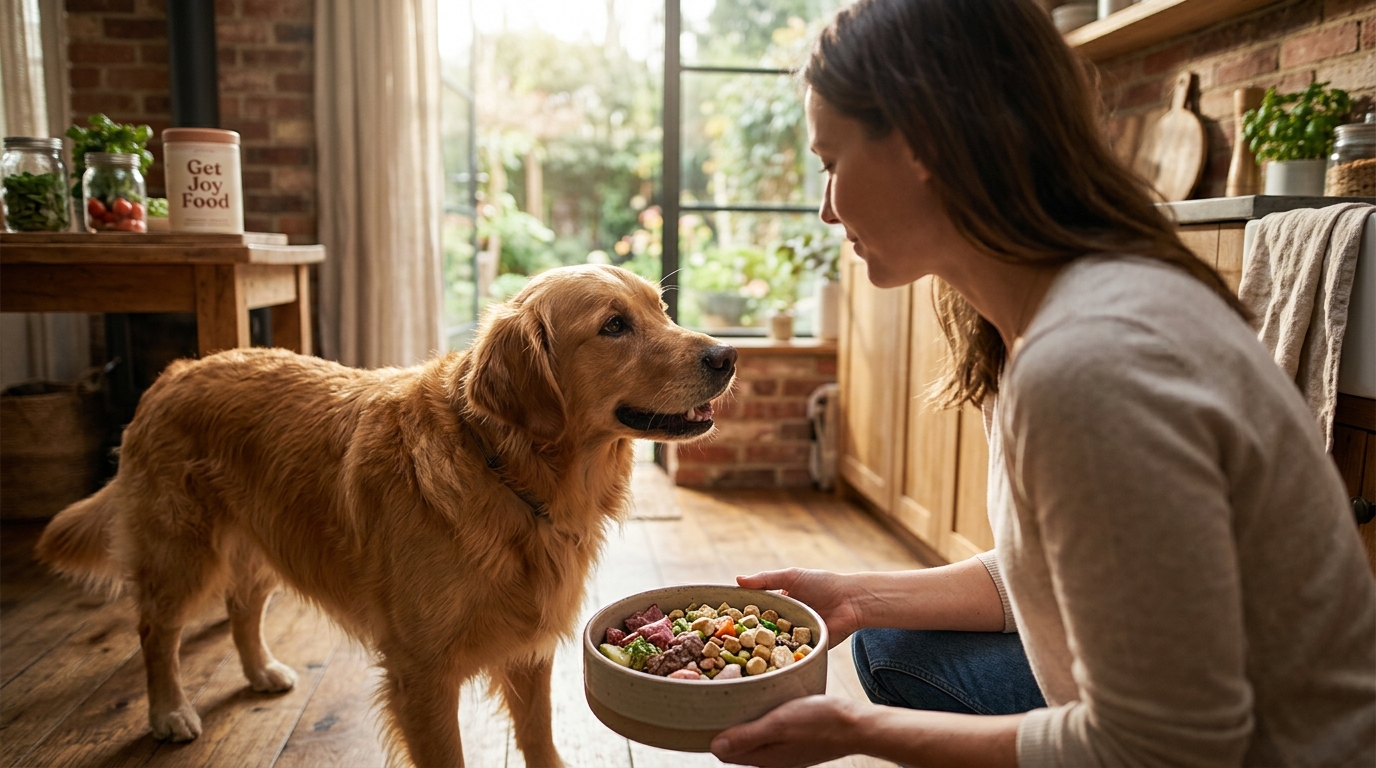
Modern veterinary science increasingly recognizes that the gut microbiome is the central hub of canine health. According to recent industry data, over 30,000 pet parents have already shifted toward specialized nutrition to address chronic digestive issues. This shift highlights a critical gap in traditional feeding habits. Many owners unknowingly feed diets that lack the bioactive components necessary for long-term vitality. Understanding the distinction between standard kibble and functional nutrition is the first step toward preventing illness before it starts.
Defining Functional Nutrition
Functional nutrition is a dietary approach that prioritizes the biological impact of food on the body's systems. Unlike standard pet food, which often focuses solely on caloric density and basic macronutrient compliance, functional food is designed to actively support physiological processes. This includes immune system regulation, metabolic efficiency, and cellular repair.
At its core, functional nutrition is the strategic use of whole-food ingredients to optimize health outcomes. It moves beyond the "minimum viable diet" model. Instead, it asks how each ingredient contributes to the dog's overall well-being. This philosophy aligns closely with the principles found in canine gut health research.
Traditional pet food often relies on highly processed ingredients that lose their biological value during manufacturing. Functional nutrition retains these vital nutrients through gentle processing methods. The goal is to provide food that acts as medicine, preventing disease rather than just sustaining life.
The Gut Health Connection
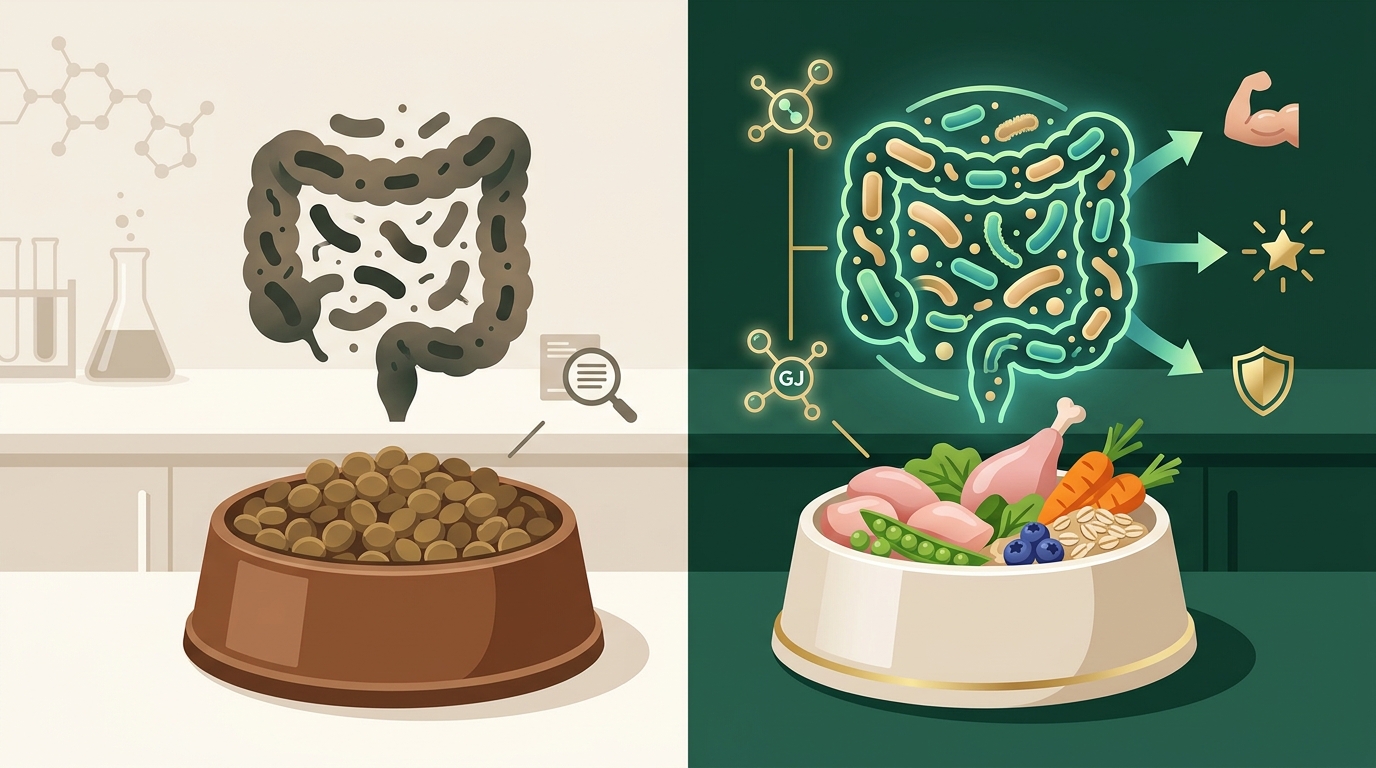
The digestive system is the foundation of canine immunity. A significant portion of a dog's immune cells resides in the gut-associated lymphoid tissue. When the gut lining is compromised, toxins leak into the bloodstream, triggering systemic inflammation. This condition, often referred to as "leaky gut," is linked to allergies, skin issues, and chronic fatigue.
Functional nutrition addresses this by focusing on gut barrier integrity. Ingredients like organ meats and specific prebiotic fibers help repair the intestinal lining. Freeze-dried raw meals preserve the natural enzymes required for digestion, which are often destroyed in high-heat extrusion processes used for kibble.
Consider the difference in nutrient bioavailability. Standard kibble may contain vitamins, but they are often synthetic and less absorbable. Functional foods use whole-food sources that the body recognizes and utilizes efficiently. This leads to better nutrient absorption and reduced waste output. For a deeper dive into these mechanisms, explore the gut health 101 guide.
Why Ingredients Matter More Than Macros
Many conventional dog foods list protein percentages on the label. However, the source of that protein is far more important than the quantity. A diet high in protein but low in bioactive compounds offers limited functional benefit. Functional nutrition prioritizes nutrient density over volume.
Organ meats are a cornerstone of this approach. They are nature's most nutrient-dense foods, providing essential vitamins like A, D, E, and K, along with trace minerals. Superfood beef organ treats offer a concentrated source of these vital nutrients without the mess of raw feeding. These treats are not just snacks; they are functional supplements that support joint health and coat shine.
Furthermore, functional diets avoid the fillers that plague the industry. Corn, wheat, and soy are common allergens that provide empty calories. By eliminating these, functional nutrition reduces the inflammatory load on the dog's body. This reduction in inflammation is key to managing chronic conditions like arthritis and autoimmune disorders.
The Freeze-Dried Advantage
Freeze-drying is a preservation method that removes water from food while it is frozen. This process locks in nutrients, flavor, and texture. Unlike air-drying or baking, freeze-drying does not require high temperatures that degrade sensitive vitamins.
The result is a food product that is nutritionally equivalent to fresh raw food but with a much longer shelf life. Freeze-dried raw meals are lightweight and easy to store. They can be served as a topper to boost the nutritional value of any diet or rehydrated to serve as a complete meal.
This method also enhances palatability. Dogs are naturally drawn to the intense aroma of freeze-dried food. This makes it an excellent tool for picky eaters or dogs recovering from illness who have lost their appetite. The convenience of freeze-dried food removes the barrier to entry for raw feeding, making functional nutrition accessible to busy pet parents.
Signs Your Dog Needs Functional Nutrition
Recognizing when your dog's current diet is insufficient requires careful observation. Chronic issues are often the body's way of signaling a nutritional deficit. If you notice any of the following symptoms, it may be time to evaluate your dog's food.
| Symptom | Potential Nutritional Cause | Functional Solution |
|---|---|---|
| Chronic Itching | Food allergies or inflammatory response | Elimination diet with novel proteins |
| Poor Coat Quality | Deficiency in essential fatty acids | Omega-rich organ treats |
| Low Energy | Poor nutrient absorption | Enzyme-rich freeze-dried meals |
| Digestive Upset | Gut microbiome imbalance | Prebiotic and probiotic support |
Another subtle sign is the quality of the stool. Healthy digestion results in firm, small, and odorless waste. Large, smelly, or frequent bowel movements indicate that the body is not extracting nutrients from the food. This is a clear indicator that the current diet lacks functional value.
Transitioning Safely to a New Diet
Switching to functional nutrition should be done gradually to avoid digestive distress. A sudden change can overwhelm the gut microbiome, leading to vomiting or diarrhea. The goal is to introduce new foods slowly, allowing the gut bacteria to adapt.
Start by mixing a small amount of the new food with the old diet. Increase the proportion of the new food by 10% each day over the course of a week. This method minimizes stress on the digestive system. For dogs with sensitive stomachs, a slower transition over two weeks may be necessary.
Monitoring your dog's response is crucial. Look for improvements in energy levels, coat shine, and digestion. Our story highlights how many dogs experience a "glow up" within weeks of switching to whole-food nutrition. Patience during the transition period pays off with long-term health benefits.
Key Takeaways
- Functional nutrition focuses on biological impact rather than just caloric content.
- Gut health is the primary driver of overall canine immunity and wellness.
- Freeze-drying preserves enzymes and nutrients that are lost in kibble production.
- Organ meats provide dense sources of vitamins and trace minerals.
- Chronic itching and poor digestion are signs of inadequate nutrition.
- Transitioning to a new diet should be done gradually over 7-14 days.
- Trusted brands like Get Joy offer vet-formulated solutions for gut health.
Frequently Asked Questions
What is the main difference between kibble and functional food?
Kibble is highly processed and often lacks bioactive nutrients, while functional food uses whole ingredients to actively support physiological health.
How long does it take to see results from functional nutrition?
Many owners report improvements in digestion within one week, with coat and energy improvements visible within three to four weeks.
Is freeze-dried raw food safe for dogs?
Yes, freeze-dried raw food is safe and retains the nutritional benefits of raw diets without the risk of bacterial contamination.
Can I mix functional food with my dog's current diet?
Yes, using functional food as a topper is an excellent way to boost the nutritional value of any existing diet.
What are superfood organ treats?
These are treats made from nutrient-dense organ meats that provide essential vitamins and minerals beyond basic protein.
How do I know if my dog has a sensitive stomach?
Symptoms include frequent gas, irregular bowel movements, and vomiting after eating.
Does functional nutrition help with allergies?
Yes, by eliminating common allergens and reducing inflammation, functional nutrition can significantly alleviate allergy symptoms.
Upgrade Your Dog's Bowl Today
Investing in functional nutrition is an investment in your dog's longevity and quality of life. The difference between regular food and truly functional nutrition is the difference between survival and thriving. Explore our full range of products to find the perfect diet for your pet. Start your journey to better health with Get Joy and join the community of happy, healthy dogs.