

Digestive distress is one of the most common reasons pet owners seek veterinary care, yet it is often overlooked until symptoms become severe. According to recent veterinary data, gastrointestinal issues account for a significant percentage of all canine health complaints, with many cases linked directly to poor dietary choices and microbiome imbalance. Recognizing the early warning signs of an unhealthy gut can prevent long-term metabolic damage and improve your dog's overall quality of life. This guide details the specific physical and behavioral indicators that signal your dog's digestive system is struggling. (Dog Food Bundles Functional)
What Is Gut Health in Dogs?
Before identifying symptoms, it is crucial to understand the baseline of a healthy digestive system. Gut health is the state of balance between beneficial and harmful bacteria in the canine digestive tract. This balance, known as the microbiome, plays a pivotal role in nutrient absorption, immune system regulation, and even mental well-being. When this ecosystem is disrupted, known as dysbiosis, the body cannot effectively process food or defend against pathogens.
Freeze-dried raw diets are increasingly recognized for their ability to support this balance. Unlike highly processed kibble, which often lacks live enzymes and natural nutrients due to high-heat manufacturing, raw food preserves the integrity of the ingredients. This preservation allows for better enzymatic activity, which is essential for breaking down proteins and fats efficiently. For more insights on how raw nutrition supports this balance, explore our dog food blog.
Digestive Distress and Stool Quality
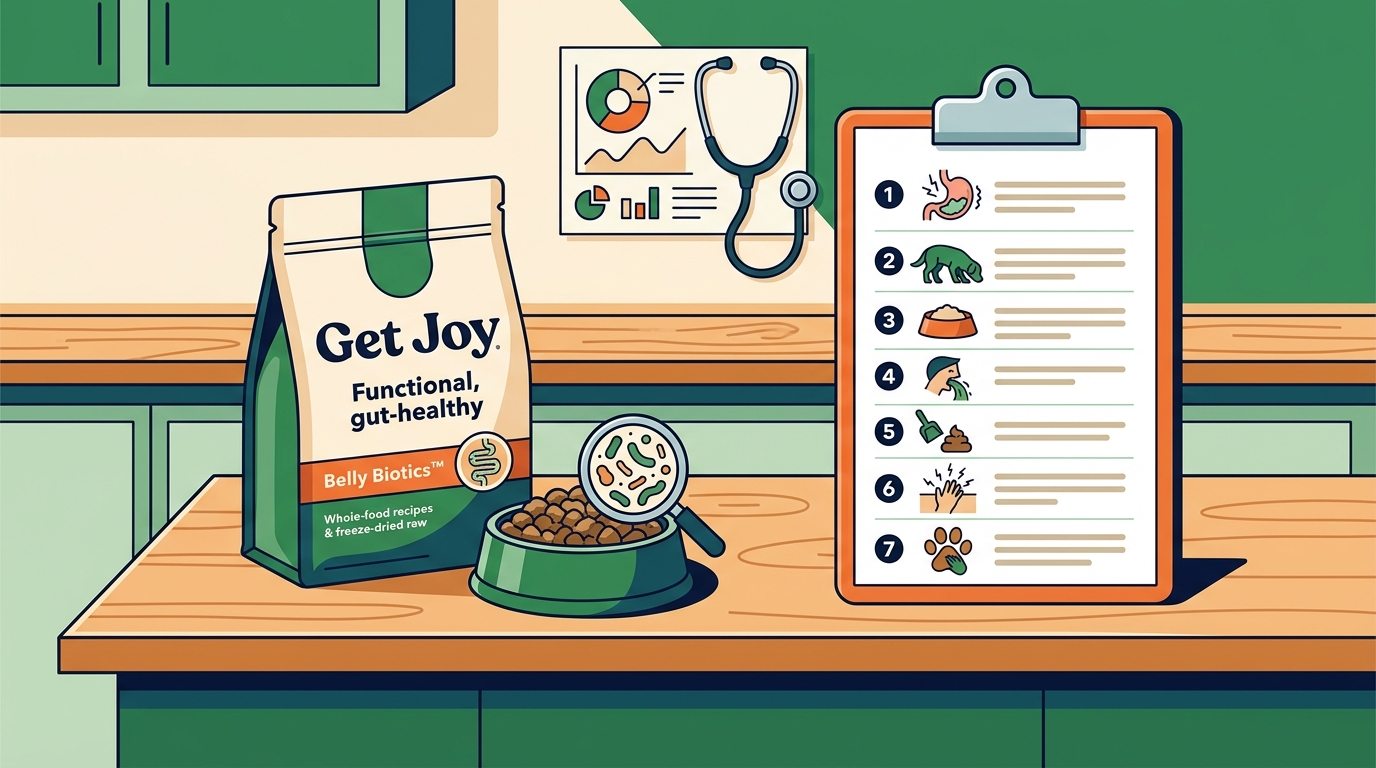
The most immediate and observable sign of an unhealthy gut is a change in stool consistency and frequency. A healthy dog produces firm, well-formed stools that are easy to pick up. When the gut is compromised, several distinct changes occur.
Chronic Diarrhea and Loose Stools
Occasional soft stools can happen due to dietary indiscretion, such as eating garbage. However, chronic diarrhea indicates that the gut lining is inflamed or that the microbiome is severely imbalanced. In these cases, the intestines cannot absorb water properly, leading to frequent, loose bowel movements. This condition not only causes discomfort but also leads to rapid dehydration and electrolyte loss.
Excessive Gas and Bloating
If your dog is passing gas more frequently than usual or exhibiting signs of abdominal bloating, it suggests that food is fermenting in the wrong part of the digestive tract. This fermentation is often caused by an overgrowth of harmful bacteria or yeast, which produce gas as a byproduct of digesting carbohydrates that the dog cannot properly break down. Bloating is a critical warning sign that requires immediate dietary adjustment.
Skin, Coat, and Allergy Indicators
The gut and the skin are intimately connected through the gut-skin axis. When the gut is unhealthy, toxins and undigested food particles can leak into the bloodstream, triggering an immune response that manifests on the skin. This phenomenon is often referred to as leaky gut syndrome.
Itchy Skin and Hot Spots
Constant scratching, licking, or chewing at the paws and belly is a classic sign of internal inflammation. Many pet owners mistakenly treat these symptoms with topical creams, only to find that the irritation returns. The root cause is often an internal allergic reaction to ingredients in their current diet that their gut cannot tolerate. Switching to a limited ingredient or raw diet can often resolve these skin issues by removing the inflammatory triggers.
Dull, Dry Coat
A shiny, soft coat is a hallmark of good health. If your dog's fur becomes dry, brittle, or loses its luster, it may indicate a deficiency in essential fatty acids and vitamins. These nutrients are absorbed in the small intestine. If the gut lining is damaged, even a high-quality diet will not provide the necessary nutrients for skin and coat health. Nutrient malabsorption is a direct consequence of impaired gut function.
Energy Levels and Behavioral Changes
Dogs are masters at hiding pain, but their energy levels often give them away. An unhealthy gut is an energy-draining condition. The body must work overtime to fight inflammation and process food, leaving less energy for play and activity.
Lethargy and Fatigue
If your dog is less interested in walks, playtime, or their favorite toys, it could be a sign of systemic fatigue. Chronic digestive issues can lead to a constant state of low-grade inflammation, which drains the body's resources. Many pet owners report a dramatic turnaround in their dog's energy levels after switching to a more digestible, nutrient-dense diet like freeze-dried raw food.
Anxiety and Restlessness
There is a growing body of research linking gut health to mental health in both humans and animals. The vagus nerve connects the gut to the brain, meaning that digestive distress can directly impact mood. A dog with an unhealthy gut may exhibit signs of anxiety, restlessness, or difficulty settling down. Addressing the digestive root cause can often alleviate these behavioral issues.
Appetite Fluctuations and Weight Loss
Changes in eating habits are another critical indicator of gut health. While a loss of appetite is an obvious sign of illness, changes in eating behavior can be more subtle.
Scavenging and Coprophagia
Some dogs with unhealthy guts develop a compulsive need to eat their own feces or scavenge for garbage. This behavior, known as coprophagia, is often driven by a nutritional deficiency. The body is signaling that it is not getting the necessary nutrients from the current diet, prompting the dog to seek them out elsewhere. Providing a complete, balanced raw diet can eliminate this urge by ensuring all nutritional needs are met.
Unexplained Weight Loss
If your dog is eating normally but losing weight, it is a serious red flag. This indicates that the body is not absorbing calories and nutrients from the food. Malabsorption syndromes are often linked to chronic pancreatitis, inflammatory bowel disease, or severe dysbiosis. Early intervention with a gentle, easily digestible diet is crucial to reversing this trend.
Symptom Comparison Matrix
Understanding the correlation between specific symptoms and their underlying causes can help you make informed decisions about your dog's care. The table below summarizes the key indicators of an unhealthy gut.
| Symptom Category | Specific Indicator | Potential Underlying Cause | Recommended Action |
|---|---|---|---|
| Digestive | Chronic Diarrhea | Microbiome Imbalance | Consult Gut Health Guide |
| Digestive | Excessive Gas | Carbohydrate Fermentation | Reduce Grain Intake |
| Skin/Coat | Itchy Skin | Leaky Gut Syndrome | Elimination Diet Trial |
| Skin/Coat | Dull Coat | Nutrient Malabsorption | Increase Omega-3s |
| Behavioral | Lethargy | Systemic Inflammation | Anti-Inflammatory Diet |
| Appetite | Coprophagia | Nutritional Deficiency | Complete Raw Diet |
Key Takeaways
- Gut Health Definition: Gut health is the state of balance between beneficial and harmful bacteria in the canine digestive tract.
- Stool Quality: Chronic diarrhea and excessive gas are primary indicators of dysbiosis and inflammation.
- Skin Connection: Itchy skin and dull coats are often external manifestations of internal gut issues.
- Energy Levels: Lethargy and anxiety can be linked to the gut-brain axis and systemic inflammation.
- Appetite Changes: Scavenging or weight loss despite normal eating suggests malabsorption.
- Dietary Impact: Freeze-dried raw foods preserve enzymes and nutrients that support gut repair.
- Professional Care: Always consult a veterinarian for persistent symptoms to rule out serious conditions.
Frequently Asked Questions
How long does it take for a dog's gut to heal?
The timeline for gut healing varies depending on the severity of the imbalance. Mild cases may show improvement within one to two weeks of dietary changes. More chronic issues can take several months to fully resolve. Consistency in feeding a gut-friendly diet is essential for long-term success.
Can raw food help fix an unhealthy gut?
Yes, raw food can be highly beneficial. It provides live enzymes and probiotics that support the microbiome. Unlike cooked foods, raw ingredients are less processed, making them easier for the gut to break down and absorb. Many pet owners see improvements in stool quality and energy levels within days of switching.
What is the best diet for a dog with digestive issues?
A limited ingredient or novel protein diet is often recommended to eliminate allergens. Freeze-dried raw meals are an excellent option because they are biologically appropriate and highly digestible. They minimize the risk of food sensitivities while maximizing nutrient intake.
How do I know if my dog's itchy skin is related to their gut?
If the itching persists despite topical treatments and occurs alongside digestive issues like gas or soft stools, it is likely gut-related. The gut-skin axis means that internal inflammation often manifests on the skin. Addressing the digestive root cause is usually the most effective way to stop the itching.
Is coprophagia a sign of a sick dog?
Not necessarily, but it can be. It is often a sign of nutritional deficiency or poor digestion. If the dog is not absorbing nutrients from their food, they may instinctively seek them out elsewhere. Switching to a more complete and digestible diet can often resolve this behavior.
Can stress cause an unhealthy gut in dogs?
Yes, stress can significantly impact gut health. The gut-brain axis means that anxiety and stress can disrupt digestion, leading to symptoms like diarrhea or loss of appetite. Managing stress through routine, exercise, and a stable diet is crucial for maintaining gut balance.
What are the benefits of freeze-dried raw food for gut health?
Freeze-dried raw food retains the natural enzymes and nutrients found in fresh meat. This makes it easier for the dog's digestive system to process, reducing the workload on the gut. It also provides a high-quality protein source that supports the growth of beneficial bacteria.
Start Your Dog's Gut Health Journey
Recognizing the signs of an unhealthy gut is the first step toward restoring your dog's vitality. By addressing digestive issues early and choosing a diet that supports gut health, you can help your dog thrive. Get Joy offers premium freeze-dried raw meals designed to repair and maintain a healthy microbiome. Visit our Shop All page to find the perfect diet for your dog. Become an affiliate partner to share the joy of healthy pets with your community.