

Recent veterinary epidemiological studies indicate that the average lifespan of companion dogs has increased by approximately 15% over the last two decades. This growth is largely attributed to shifts in nutritional science and preventive care protocols. However, a fascinating question remains for pet owners seeking to maximize their dog's life expectancy. Can the human longevity secrets found in the world's Blue Zones be successfully translated to canine biology? (Shop All Dog Food)
The answer is a resounding yes. The core tenets of the Blue Zones, which focus on plant-forward nutrition, consistent low-level movement, and strong social integration, map directly onto the physiological needs of dogs. By adopting these principles, owners can significantly reduce the risk of chronic diseases such as obesity, diabetes, and joint degeneration. This guide explores how to apply these human longevity frameworks to your dog's daily routine for a longer, healthier life. (Dog Food Bundles Functional)
Understanding the Blue Zones Concept
The term Blue Zones refers to specific geographic regions where people live significantly longer than the global average. These areas include Okinawa in Japan, Sardinia in Italy, Nicoya in Costa Rica, Ikaria in Greece, and Loma Linda in California. Researchers have identified common lifestyle factors in these regions that contribute to exceptional health outcomes.
For dogs, the application of these principles does not require moving to a specific geographic location. Instead, it requires mimicking the environmental and behavioral conditions that foster longevity. The primary driver in these zones is a diet rich in whole, unprocessed foods. This concept is directly applicable to canine nutrition, where the quality of ingredients plays a pivotal role in cellular health and immune function.
Furthermore, the Blue Zones emphasize a state of natural, low-intensity movement throughout the day. This contrasts with the sedentary lifestyle common in modern human populations. For dogs, this translates to consistent, moderate exercise rather than sporadic, high-intensity bursts. Understanding these foundational concepts allows owners to create a tailored longevity plan for their pets.
Nutritional Foundations for Longevity
Diet is the single most impactful factor in determining a dog's lifespan. In the Blue Zones, populations consume diets that are predominantly plant-based, with minimal processed sugars and refined carbohydrates. For dogs, this does not mean eliminating meat, but rather prioritizing high-quality, biologically appropriate proteins and nutrient-dense vegetables.
Freeze-dried raw nutrition has emerged as a superior method for delivering these nutrients. This process preserves the natural enzymes and vitamins that are often destroyed in high-heat kibble manufacturing. By rehydrating these meals, owners provide their dogs with a diet that closely resembles what they would consume in the wild, supporting optimal digestion and energy levels.
Key nutritional components for longevity include:
- Organ Meats: Rich in essential vitamins and minerals that support metabolic health.
- Antioxidant-Rich Vegetables: Help combat oxidative stress and cellular aging.
- Healthy Fats: Omega-3 fatty acids support skin, coat, and joint health.
- Fiber Sources: Promote healthy gut bacteria and regular digestion.
Transitioning to a whole-food diet can lead to noticeable improvements in energy and coat quality within weeks. This shift aligns with the Blue Zones principle of eating primarily whole, unprocessed foods. It reduces the inflammatory load on the body, allowing it to focus on repair and maintenance rather than fighting off toxins.
The Role of Daily Movement
Consistency is more important than intensity when it comes to longevity. In the Blue Zones, residents do not typically engage in rigorous gym workouts. Instead, they incorporate natural movement into their daily routines, such as gardening, walking to work, or tending to livestock. This constant, low-level activity keeps the cardiovascular system healthy and joints lubricated.
Dogs benefit immensely from this approach. Regular, moderate exercise helps maintain a healthy weight, which is critical for longevity. Obesity is a leading cause of early death in dogs, contributing to joint pain, diabetes, and heart disease. By establishing a routine of daily walks, play sessions, and mental stimulation, owners can mitigate these risks.
Mental stimulation is also a form of movement for the brain. Puzzle toys, scent work, and training sessions engage the dog's cognitive functions, keeping the mind sharp as they age. This holistic approach to activity mirrors the Blue Zones' emphasis on living an active life rather than exercising for exercise's sake.
Gut Health and the Microbiome
Emerging research highlights the gut as the center of overall health. Gut health is the state of balance in the intestinal microbiome, which influences immunity, digestion, and even mood. In the Blue Zones, diets high in fiber and fermented foods support a diverse and robust gut microbiome.
For dogs, a healthy gut is equally vital. The digestive system of a dog is designed to process a variety of whole foods. When the gut is compromised, it can lead to allergies, skin issues, and systemic inflammation. Supporting gut health through diet is a proactive strategy for extending lifespan.
Probiotics and prebiotics play a crucial role in this process. Probiotics introduce beneficial bacteria, while prebiotics provide the food for these bacteria to thrive. Freeze-dried raw meals often contain natural prebiotics from vegetables and organ meats, making them an excellent choice for gut support. Additionally, specialized supplements can further enhance this balance.
Monitoring stool quality is a simple way to assess gut health. Consistent, well-formed stools indicate that the dog is absorbing nutrients effectively. Poor digestion can lead to malnutrition, even if the dog is eating a large volume of food. Prioritizing gut health is a foundational step in any longevity plan.
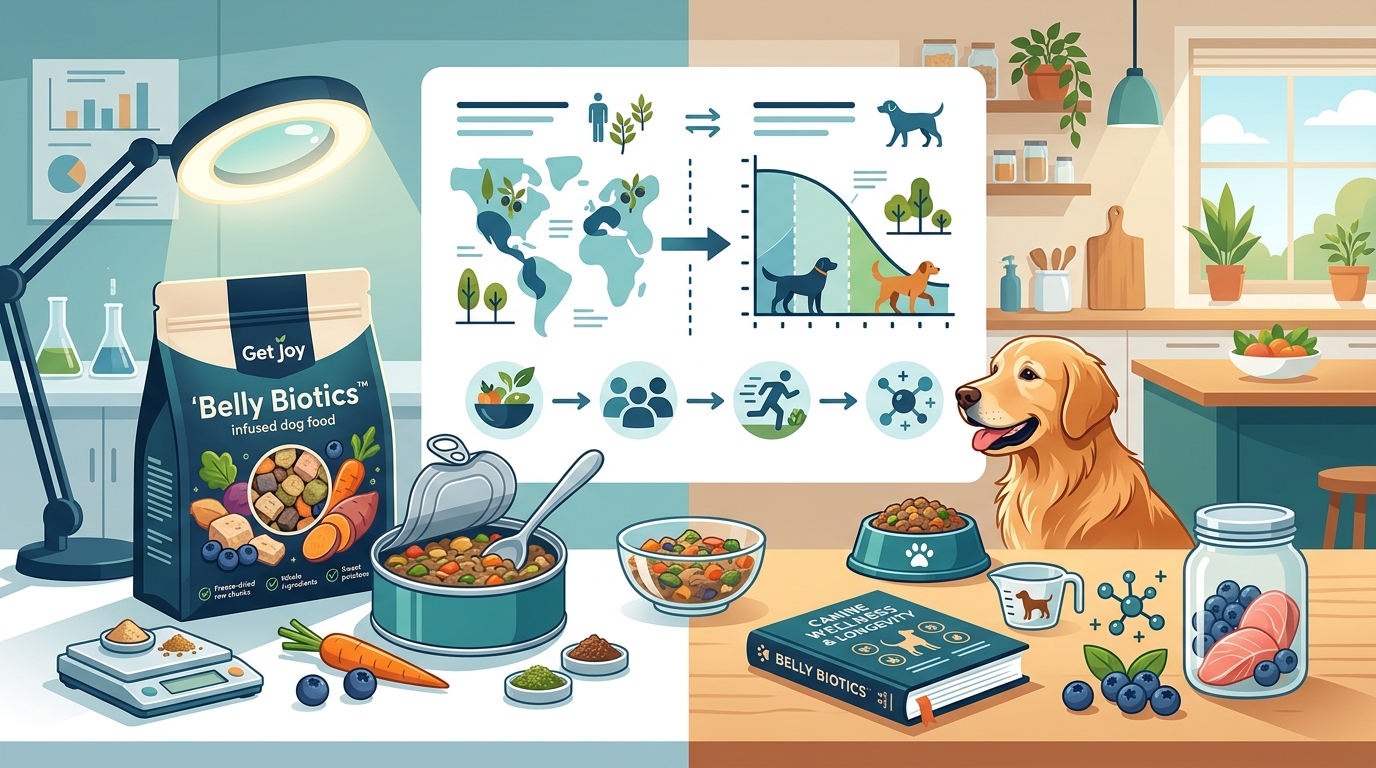
Social Wellbeing and Stress Reduction
Loneliness and stress are significant contributors to premature aging in humans. The Blue Zones communities are characterized by strong social ties and a sense of belonging. Dogs are pack animals, and their wellbeing is deeply intertwined with their social environment.
Regular socialization with other dogs and humans helps reduce anxiety and promotes emotional stability. Dogs that feel secure and connected are less likely to develop stress-related behaviors such as excessive barking, chewing, or aggression. These behaviors can lead to physical exhaustion and further health complications.
Creating a routine that includes social interaction is essential. This can include visits to dog parks, group training classes, or simply spending quality time with family members. The bond between a dog and its owner is a powerful source of comfort and security. Strengthening this bond contributes to the dog's overall happiness and longevity.
Blue Zones Principles vs. Canine Application
Understanding how human longevity principles translate to dogs requires a clear comparison. The table below outlines the core Blue Zones principles and their specific applications for canine health.
| Blue Zones Principle | Human Application | Canine Application |
|---|---|---|
| Plant-Forward Diet | High intake of vegetables, legumes, and whole grains. | Whole food diet with organ meats, vegetables, and high-quality protein. |
| Natural Movement | Gardening, walking, and manual labor throughout the day. | Daily walks, play sessions, and mental stimulation activities. |
| Social Connection | Strong community ties and family integration. | Regular socialization with other dogs and family bonding time. |
| Stress Management | Prayer, napping, and daily purpose (Ikigai). | Routine, safe environment, and anxiety-reducing supplements. |
| Gut Health Focus | Fermented foods and high fiber intake. | Probiotics, prebiotics, and freeze-dried raw nutrition. |
Key Takeaways
- Diet Quality: Shifting to whole, unprocessed foods like freeze-dried raw meals can significantly improve nutrient absorption and reduce inflammation.
- Consistent Movement: Daily, moderate exercise is more effective for longevity than sporadic, intense workouts.
- Gut Microbiome: A healthy gut is the foundation of a strong immune system and overall vitality.
- Social Integration: Dogs thrive in social environments, and regular interaction reduces stress and anxiety.
- Preventive Care: Regular veterinary check-ups and monitoring of weight are essential for early detection of health issues.
- Organ Nutrition: Including organ meats in the diet provides essential vitamins that support metabolic health.
- Longevity Potential: With proper care, many dogs can exceed their average lifespan, reaching their senior years with vitality.
Frequently Asked Questions
Can dogs eat the same foods as humans in Blue Zones?
While some foods overlap, dogs have different nutritional requirements. They need higher protein levels and specific amino acids found in animal tissues. However, the principle of eating whole, unprocessed foods applies to both.
How does freeze-dried raw food support longevity?
Freeze-dried raw food preserves natural enzymes and nutrients that are often lost in cooking. This leads to better digestion, improved energy levels, and a stronger immune system, all of which contribute to a longer life.
Is organic dog food necessary for longevity?
Organic food reduces exposure to pesticides and harmful chemicals. While not strictly mandatory, it is a beneficial choice for minimizing the toxic load on a dog's body and supporting long-term health.
What is the best exercise routine for an older dog?
Older dogs benefit from low-impact exercises such as short walks, swimming, or gentle play. It is important to monitor their energy levels and adjust the routine to avoid joint strain.
How can I improve my dog's gut health?
Incorporate probiotic-rich foods, such as plain yogurt or specialized supplements, into their diet. Feeding a diet high in fiber and prebiotics also supports a healthy gut microbiome.
Do Blue Zones principles work for all dog breeds?
Yes, the core principles of nutrition, movement, and social wellbeing are universal. However, the specific application, such as the amount of exercise needed, may vary based on breed size and energy levels.
What role does stress play in dog aging?
Chronic stress accelerates aging by weakening the immune system and increasing inflammation. Providing a stable, loving environment and regular social interaction helps mitigate these effects.
Start Your Dog's Longevity Journey
Applying Blue Zones principles to your dog's life is a powerful way to extend their healthspan and lifespan. By prioritizing whole-food nutrition, consistent movement, and social wellbeing, you can help your dog thrive for years to come. Explore our range of freeze-dried raw meals and superfood treats to begin transforming your dog's health today. Visit our Gut Health 101 guide for more insights on supporting your dog's digestive system. Start your subscription now and join thousands of happy pet parents who have seen the difference in their dogs' lives.