
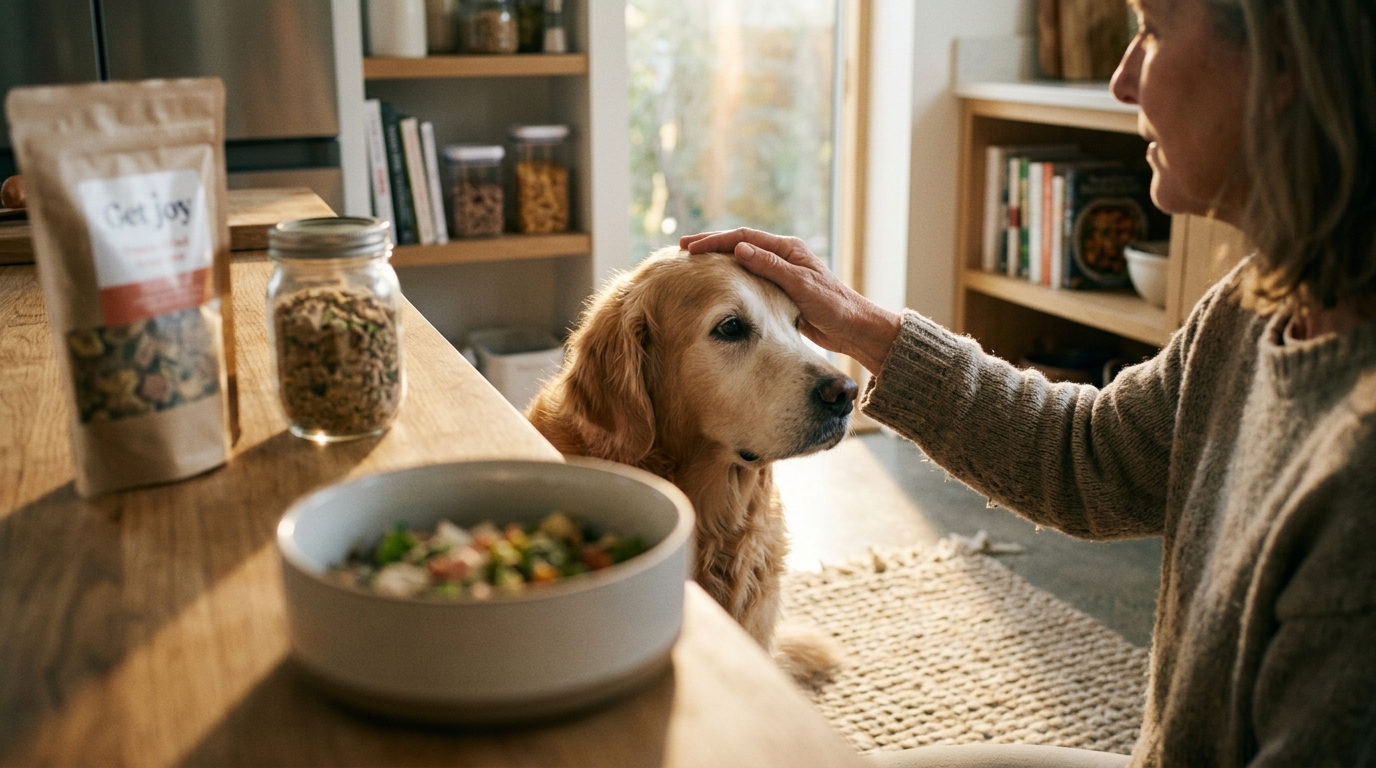
Anti-Inflammatory Dog Foods for Healthy Aging
Chronic inflammation is a silent driver of aging in dogs, contributing to joint degradation, cognitive decline, and immune system fatigue. Recent veterinary data indicates that dietary intervention can significantly slow these processes, with studies showing that specific nutrient profiles can reduce inflammatory markers by up to 30% in senior canines. This guide explores the science of anti-inflammatory nutrition and how to implement it effectively.
Understanding Chronic Inflammation in Aging Dogs
Inflammation is the body's natural response to injury or infection. However, when this response becomes chronic, it damages healthy tissue. In aging dogs, this "inflammaging" accelerates the wear and tear on organs and joints. According to the American Veterinary Medical Association, managing this systemic inflammation is critical for extending the healthspan of senior pets. The goal is not to eliminate inflammation entirely but to regulate it through precise nutritional inputs.
Common signs of chronic inflammation include persistent itching, gastrointestinal upset, lethargy, and stiffness upon waking. Addressing these symptoms early through diet can prevent the progression to more severe conditions like arthritis or kidney disease. The foundation of this approach lies in understanding which foods trigger these responses and which ones suppress them.
Key Anti-Inflammatory Nutrients
Effective anti-inflammatory diets rely on a specific matrix of nutrients that work synergistically to calm the immune system. Omega-3 fatty acids are the most critical component, known for their ability to inhibit the production of pro-inflammatory cytokines. These essential fats must be sourced from high-quality animal fats or algae to ensure bioavailability for dogs.
Antioxidants play a equally vital role in neutralizing free radicals that accumulate as dogs age. Compounds like vitamins C and E, along with beta-carotene, protect cellular integrity. Additionally, specific amino acids found in organ meats support tissue repair and gut lining health, which is often compromised in older dogs. Understanding these components helps in selecting the right food products.
Top Anti-Inflammatory Food Categories
Selecting the right ingredients requires looking beyond the primary protein source. Whole foods that are minimally processed retain the most enzymatic activity and nutrient density. Below is a summary of the most effective food categories for reducing inflammation.
| Food Category | Primary Benefit | Recommended Source |
|---|---|---|
| Organ Meats | High nutrient density and co-factors | Beef liver, kidney, heart |
| Omega-Rich Fats | Cell membrane health and joint lubrication | Salmon oil, flaxseed |
| Low-Glycemic Veggies | Fiber for gut microbiome balance | Sweet potato, spinach |
| Antioxidant Berries | Neuroprotection and immune support | Blueberries, raspberries |
Organ meats are particularly potent because they provide a complete spectrum of vitamins that synthetic supplements often miss. For instance, beef liver is rich in vitamin A, which supports vision and immune function. Incorporating these into a regular diet can significantly boost overall vitality.
The Role of Freeze-Dried Raw Diets
Freeze-dried raw food represents a significant advancement in pet nutrition technology. This process removes moisture while preserving the structural integrity of nutrients, resulting in a product that is both convenient and highly bioavailable. Unlike kibble, which undergoes high-heat extrusion, freeze-dried meals retain their natural enzymatic profile.
For dogs with sensitive stomachs or those struggling with weight management, freeze-dried raw offers a lean protein source that is easy to digest. The Gut Truth behind this method is that it mimics the ancestral diet of canines, providing the raw biological signals their bodies expect. This alignment reduces the metabolic stress associated with digesting heavily processed carbohydrates.
Many pet parents report noticeable improvements in coat shine and energy levels within weeks of switching to this format. The convenience of rehydrating the food also makes it easier to administer supplements or medications. For more details on how this process works, you can explore our story and the science behind our manufacturing.
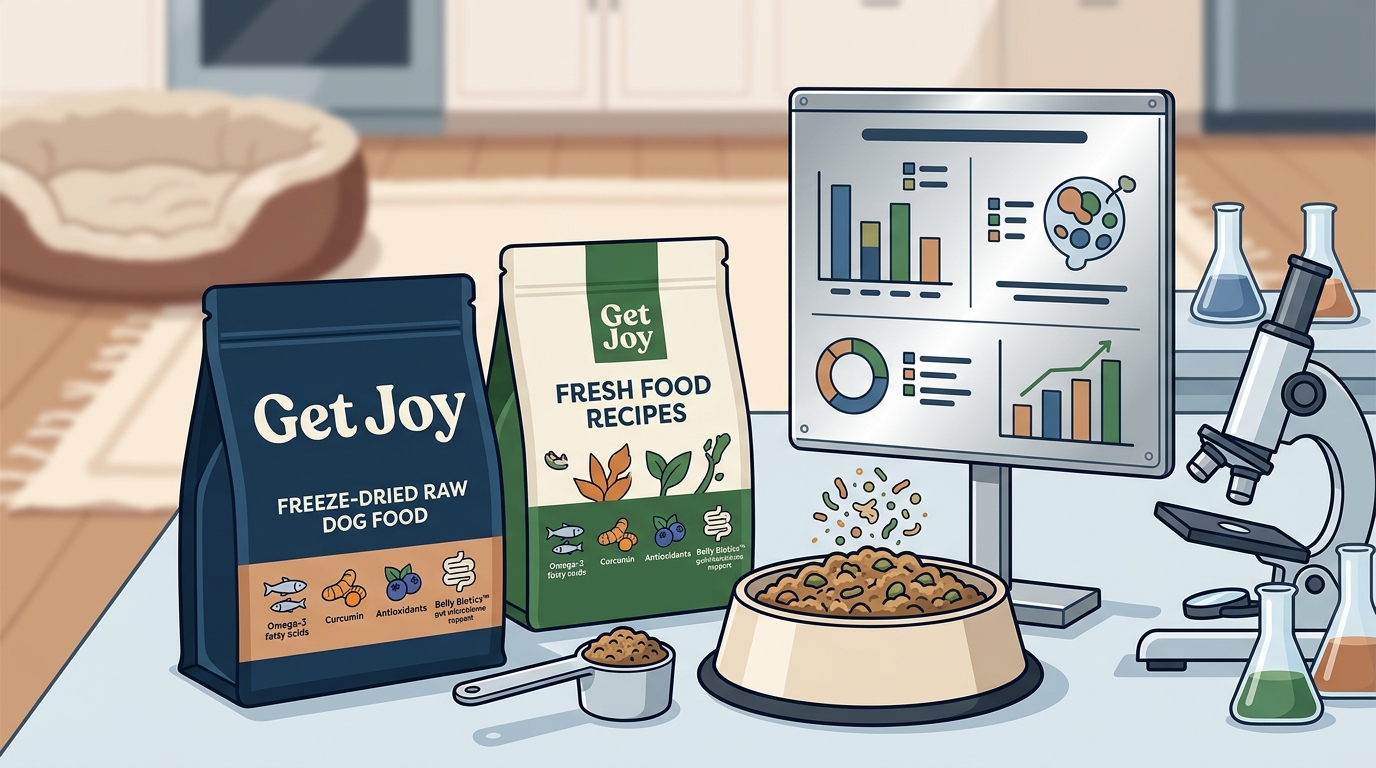
Transitioning to an Anti-Inflammatory Diet
Changing a dog's diet requires a gradual approach to avoid gastrointestinal distress. A sudden shift can cause diarrhea or vomiting, which counteracts the anti-inflammatory goals. The standard protocol involves mixing the new food with the old food over a period of seven to ten days.
Start with a 25% mix of the new anti-inflammatory food and 75% of the old food. Increase the ratio of the new food by 25% every two days. This slow introduction allows the gut microbiome to adapt to the new fiber and protein sources. Monitoring stool quality and energy levels during this period is essential for success.
Hydration is also a key factor during this transition. Since freeze-dried food is dry, ensuring your dog drinks enough water is crucial for nutrient absorption and kidney health. You can find more tips on dog food blog resources to support this process.
Key Takeaways
- Chronic inflammation accelerates aging and can be managed through specific dietary interventions.
- Omega-3 fatty acids and antioxidants are the primary drivers of reduced inflammatory markers.
- Organ meats provide superior nutrient density compared to muscle meat alone.
- Freeze-dried raw diets preserve enzymatic activity lost in high-heat processing.
- Trusted by over 30,000 pet parents, Get Joy offers targeted solutions for gut health.
- Gradual diet transitions prevent digestive upset and ensure long-term adherence.
- Consistent monitoring of joint health and coat quality indicates dietary success.
Frequently Asked Questions
How long does it take for anti-inflammatory foods to work?
Most dogs show improvements in energy and coat quality within two to four weeks. However, significant reductions in joint inflammation may take three to six months of consistent feeding.
Can freeze-dried raw food help with allergies?
Yes, by eliminating common fillers and artificial additives found in kibble, freeze-dried raw diets often reduce allergic reactions. The single-protein options available can help identify specific triggers.
Is it safe to feed only freeze-dried food?
Yes, when properly formulated, freeze-dried raw food is a complete and balanced diet. It is important to follow the feeding guidelines based on your dog's weight and activity level.
What is the best source of omega-3 for dogs?
Animal-based omega-3s from fish oil or organ meats are more bioavailable than plant-based sources like flaxseed. They are better absorbed and utilized by the canine body.
How do I store freeze-dried dog food?
Store the food in a cool, dry place away from direct sunlight. Once opened, keep it in an airtight container to maintain freshness and prevent moisture absorption.
Can senior dogs eat the same food as puppies?
While the ingredients may be similar, senior dogs often require lower calorie density and higher joint-supporting nutrients. Adjusting portion sizes and selecting senior-specific formulas is recommended.
Where can I find more information on gut health?
You can explore our dedicated Gut Health 101 resources to learn more about the connection between digestion and overall immunity.
Start Your Dog's Health Journey
Investing in your dog's nutrition is the most effective way to support healthy aging. By choosing high-quality, anti-inflammatory foods, you are directly contributing to their longevity and quality of life. Explore our full collection of freeze-dried raw meals to find the perfect fit for your pet. Visit our affiliate partner page if you are interested in sharing these benefits with your community.