
Leaky gut, medically known as increased intestinal permeability, is a condition where the tight junctions between the cells lining the dog's intestine become compromised. This allows undigested food particles, toxins, and bacteria to pass through the intestinal wall and enter the bloodstream. Recent veterinary research indicates that gastrointestinal issues affect approximately 15 to 20 percent of the general dog population, making gut health a primary concern for modern pet owners. Understanding this mechanism is the first step toward protecting your dog's long-term immune function and overall vitality.
What Is Leaky Gut in Dogs?
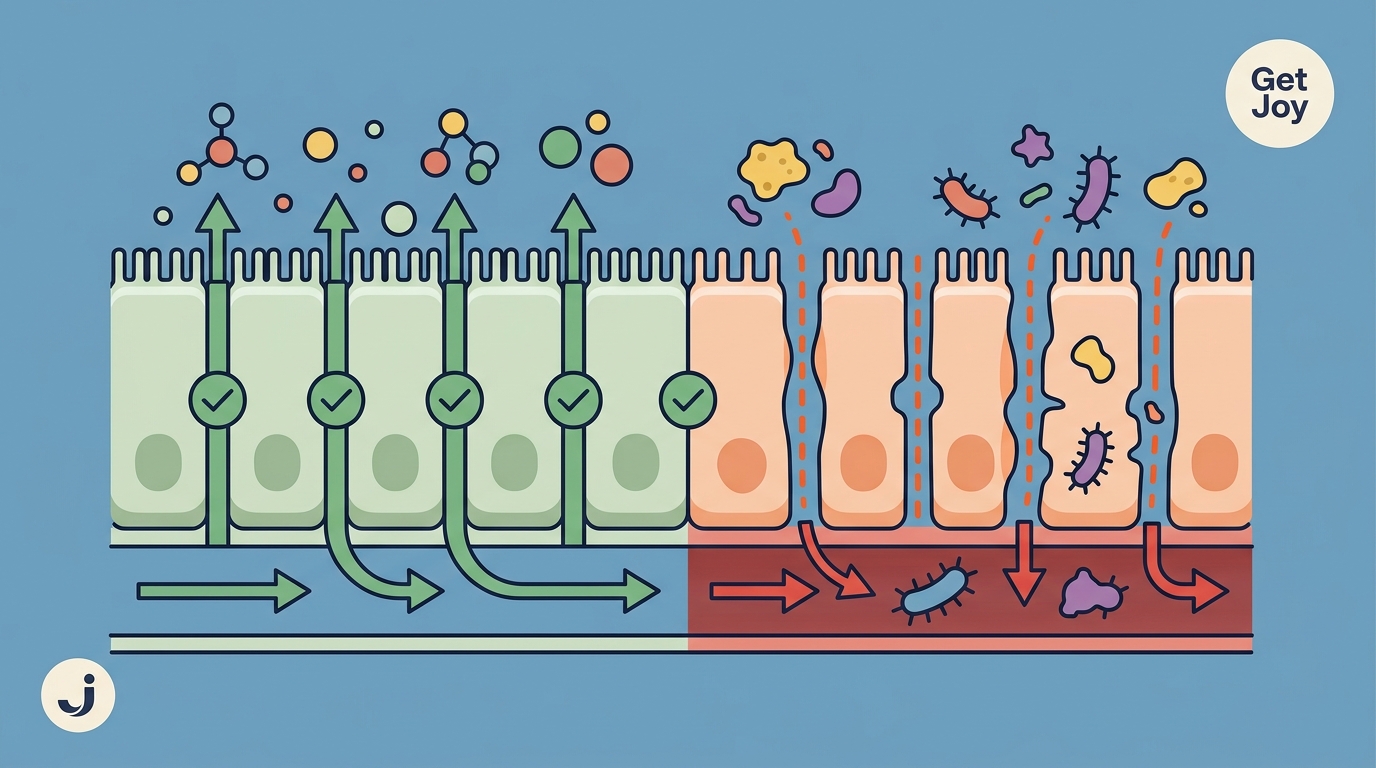
To understand this condition, we must first define the anatomy involved. Intestinal permeability is the measure of how much material passes through the intestinal wall. In a healthy dog, the intestinal lining acts as a selective barrier. It allows nutrients to pass into the bloodstream while keeping harmful substances out. This barrier is maintained by tight junctions, which are protein complexes that seal the spaces between cells.
When these tight junctions loosen or break down, the barrier becomes "leaky." This process triggers an immune response because the body perceives the foreign particles as threats. The resulting inflammation can lead to a cascade of health issues, ranging from skin allergies to chronic fatigue. According to the American Veterinary Medical Association, chronic inflammation is a root cause of many autoimmune diseases in pets. Therefore, maintaining the integrity of the gut lining is critical for systemic health.
Freeze-dried raw diets have gained popularity because they preserve the natural enzymes and nutrients that support gut repair. Unlike kibble, which undergoes high-heat processing that can destroy beneficial proteins, freeze-dried foods offer a biologically appropriate nutrition model. This approach aligns with the ancestral diet of canines, promoting better digestion and nutrient absorption.
Common Causes of Intestinal Permeability
Identifying the root cause is essential for effective prevention. Several factors contribute to the breakdown of the intestinal barrier in dogs.
Dietary Triggers
The most common cause of leaky gut is poor diet. Commercial kibble often contains high levels of carbohydrates, fillers, and artificial preservatives. These ingredients can irritate the intestinal lining and disrupt the balance of gut bacteria. Grains and certain proteins may also trigger allergic reactions that exacerbate intestinal inflammation. Switching to a high-quality, limited-ingredient diet can significantly reduce this risk.
Stress and Anxiety
Stress has a profound impact on the gut-brain axis. When a dog experiences chronic stress, the body releases cortisol, which can weaken the intestinal barrier. This connection explains why dogs often experience gastrointestinal upset during events like moving, boarding, or changes in routine. Managing stress through environmental enrichment and consistent routines is a vital part of gut health maintenance.
Medications and Toxins
Certain medications, particularly non-steroidal anti-inflammatory drugs (NSAIDs) and antibiotics, can damage the gut lining. Antibiotics kill both harmful and beneficial bacteria, leading to dysbiosis. While these medications are sometimes necessary, their use should be monitored closely. Environmental toxins, such as pesticides and heavy metals, can also contribute to intestinal permeability over time.
Symptoms and How to Identify Them
Leaky gut symptoms can be subtle and vary widely among individual dogs. Recognizing these signs early allows for timely intervention. The following symptoms are commonly associated with increased intestinal permeability.
- Chronic Digestive Issues: Frequent diarrhea, constipation, or gas indicates ongoing irritation of the gut lining.
- Skin Problems: Itching, hot spots, and recurrent ear infections are often linked to food sensitivities and gut inflammation.
- Food Allergies: New or worsening allergies to previously tolerated foods suggest an immune system overload.
- Lethargy: Lack of energy and motivation can result from poor nutrient absorption and systemic inflammation.
- Weight Loss: Despite a healthy appetite, the dog may struggle to maintain weight due to malabsorption.
If you observe these symptoms, it is important to consult with a veterinarian. They can help rule out other conditions and confirm if gut health is the primary concern. Early diagnosis leads to better outcomes and a faster recovery for your pet.
Prevention Strategies for Gut Health
Preventing leaky gut involves a holistic approach that addresses diet, lifestyle, and environmental factors. The following strategies are proven to support intestinal integrity.
Implement a Biologically Appropriate Diet
Feeding a diet that mimics a dog's natural evolutionary needs is the most effective prevention strategy. Freeze-dried raw food is an excellent option because it retains the natural structure of proteins and fats. This format ensures that enzymes remain active, aiding in digestion and reducing the workload on the gut. Brands like Get Joy specialize in this type of nutrition, offering meals designed to support gut health.
Incorporate Probiotics and Prebiotics
Probiotics introduce beneficial bacteria to the gut, while prebiotics feed these bacteria. Together, they help restore and maintain a healthy microbiome. Look for supplements that contain strains like Lactobacillus and Bifidobacterium, which are known to support intestinal barrier function. Adding these to your dog's daily routine can strengthen the gut lining over time.
Manage Stress Levels
Creating a stable and predictable environment helps reduce stress-induced gut issues. Regular exercise, mental stimulation, and positive reinforcement training can lower cortisol levels. For dogs with anxiety, consider calming aids such as pheromone diffusers or vet-recommended supplements. A calm dog is a healthy dog, both mentally and physically.
Dietary Solutions and Product Comparison
Choosing the right food is critical for dogs with sensitive guts. Below is a comparison of common dietary options to help you make an informed decision.
| Diet Type | Gut Health Impact | Nutrient Bioavailability | Best For |
|---|---|---|---|
| Freeze-Dried Raw | High: Supports natural flora and reduces inflammation | Very High: Enzymes remain active | Dogs with allergies or sensitive stomachs |
| Wet Food | Moderate: Hydrating but may contain fillers | High: Easily digestible | Puppies and senior dogs |
| Dry Kibble | Low: High heat processing can damage nutrients | Moderate: Often requires synthetic additives | Convenience-focused owners |
| Homemade Raw | Variable: Depends on recipe balance | High: Fresh ingredients | Experienced pet parents |
Freeze-dried raw food offers a unique advantage in this comparison. It combines the nutritional benefits of raw food with the convenience of dry food. Rehydration is simple, and the lack of processing ensures that your dog receives maximum nutrients. This makes it an ideal choice for preventing leaky gut and supporting long-term health.
Key Takeaways
- Leaky gut is a condition where the intestinal barrier becomes permeable, allowing toxins into the bloodstream.
- Dietary triggers, stress, and medications are the primary causes of intestinal permeability in dogs.
- Symptoms include chronic digestive issues, skin problems, food allergies, and lethargy.
- Freeze-dried raw diets preserve natural enzymes and support gut repair more effectively than kibble.
- Probiotics and prebiotics are essential for maintaining a healthy gut microbiome.
- Stress management plays a crucial role in preventing gut-related health issues.
- Trusted by over 30,000 pet parents, specialized brands offer targeted solutions for gut health.
Frequently Asked Questions
Can leaky gut in dogs be cured?
While leaky gut can be managed and reversed, it requires consistent dietary and lifestyle changes. Healing the intestinal lining typically takes several weeks to months. A strict elimination diet and the introduction of gut-supportive supplements are often necessary. Early intervention leads to faster recovery and better long-term outcomes.
What is the best food for dogs with leaky gut?
Freeze-dried raw food is often considered the best option because it is minimally processed and retains natural nutrients. It avoids common allergens and fillers found in commercial kibble. Look for foods with limited ingredients and high-quality protein sources to minimize gut irritation.
How long does it take for a dog's gut to heal?
The healing timeline varies depending on the severity of the condition and the dog's overall health. Mild cases may improve within a few weeks, while severe cases can take several months. Consistency in diet and stress management is key to successful healing.
Are probiotics necessary for dogs with leaky gut?
Probiotics are highly beneficial for dogs with leaky gut. They help restore the balance of gut bacteria and strengthen the intestinal barrier. Prebiotics should also be included to feed the beneficial bacteria. Together, they create a supportive environment for gut repair.
Can stress cause leaky gut in dogs?
Yes, stress is a significant contributor to leaky gut. Chronic stress weakens the intestinal barrier and disrupts the gut microbiome. Managing stress through routine, exercise, and environmental enrichment is essential for gut health.
What are the signs of gut inflammation in dogs?
Signs include vomiting, diarrhea, bloating, and loss of appetite. Chronic inflammation may also present as skin issues and joint pain. If you notice these symptoms, consult a veterinarian for a proper diagnosis and treatment plan.
How do I transition my dog to a raw diet?
Transition slowly over 7 to 10 days to avoid digestive upset. Mix increasing amounts of the new food with the old food each day. Monitor your dog's stool and energy levels during the transition. A gradual change helps the gut adapt to the new nutrient profile.
Get Started with Get Joy
Protecting your dog's gut health starts with the right nutrition. Freeze-dried raw food offers a powerful solution for preventing leaky gut and supporting overall wellness. Explore our collection of gut-friendly meals today. Visit our blog for more expert advice on pet health. Take the first step toward a healthier, happier dog by learning more about our mission to improve pet nutrition.