
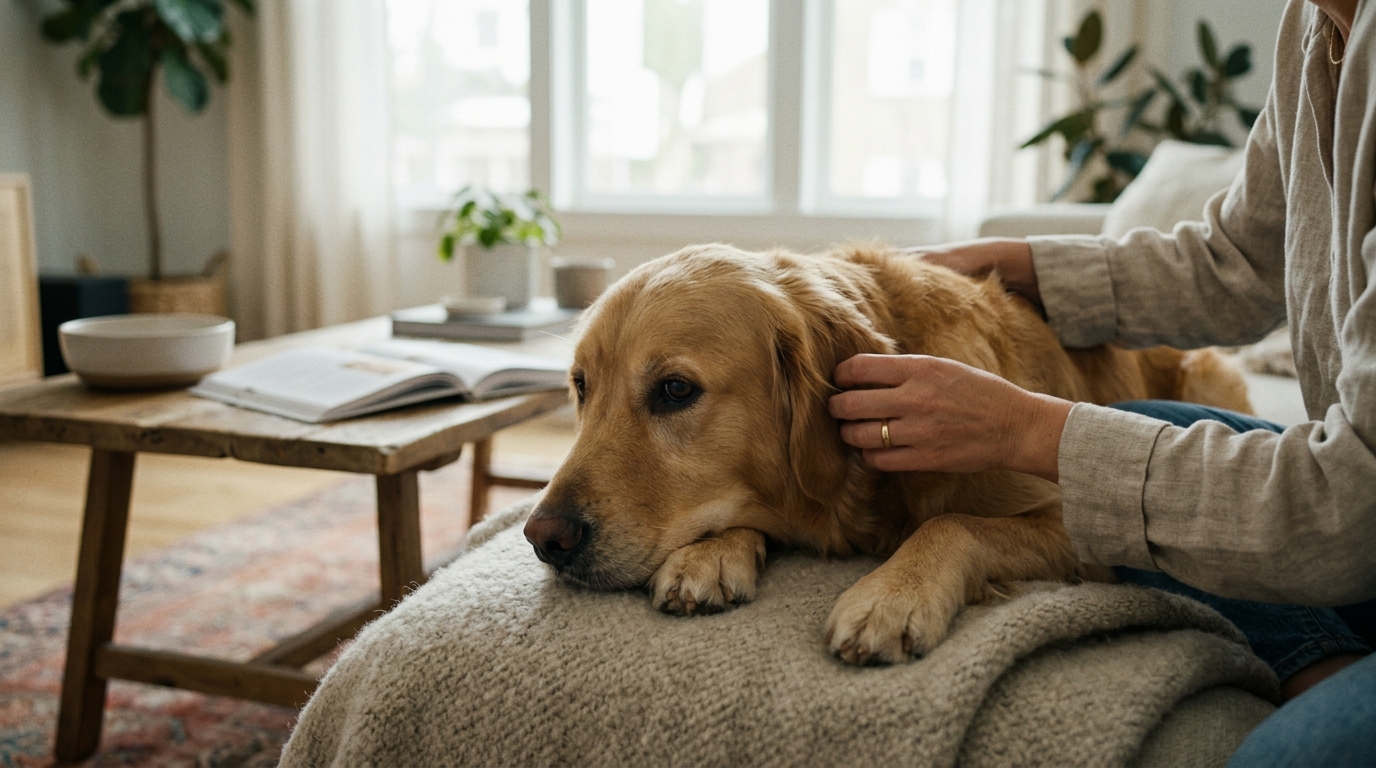
Digestive distress is one of the most common reasons pet owners seek veterinary care, yet the symptoms are often subtle until the condition becomes severe. According to recent veterinary studies, gastrointestinal issues affect approximately 20% of the canine population annually, making gut health a critical component of overall wellness. Recognizing the early warning signs is essential for preventing long-term damage and ensuring your dog maintains a high quality of life. This guide breaks down the specific indicators of poor gut health and outlines the most effective dietary interventions. (Dog Food Bundles Functional)
Identifying the Core Symptoms of Gut Distress
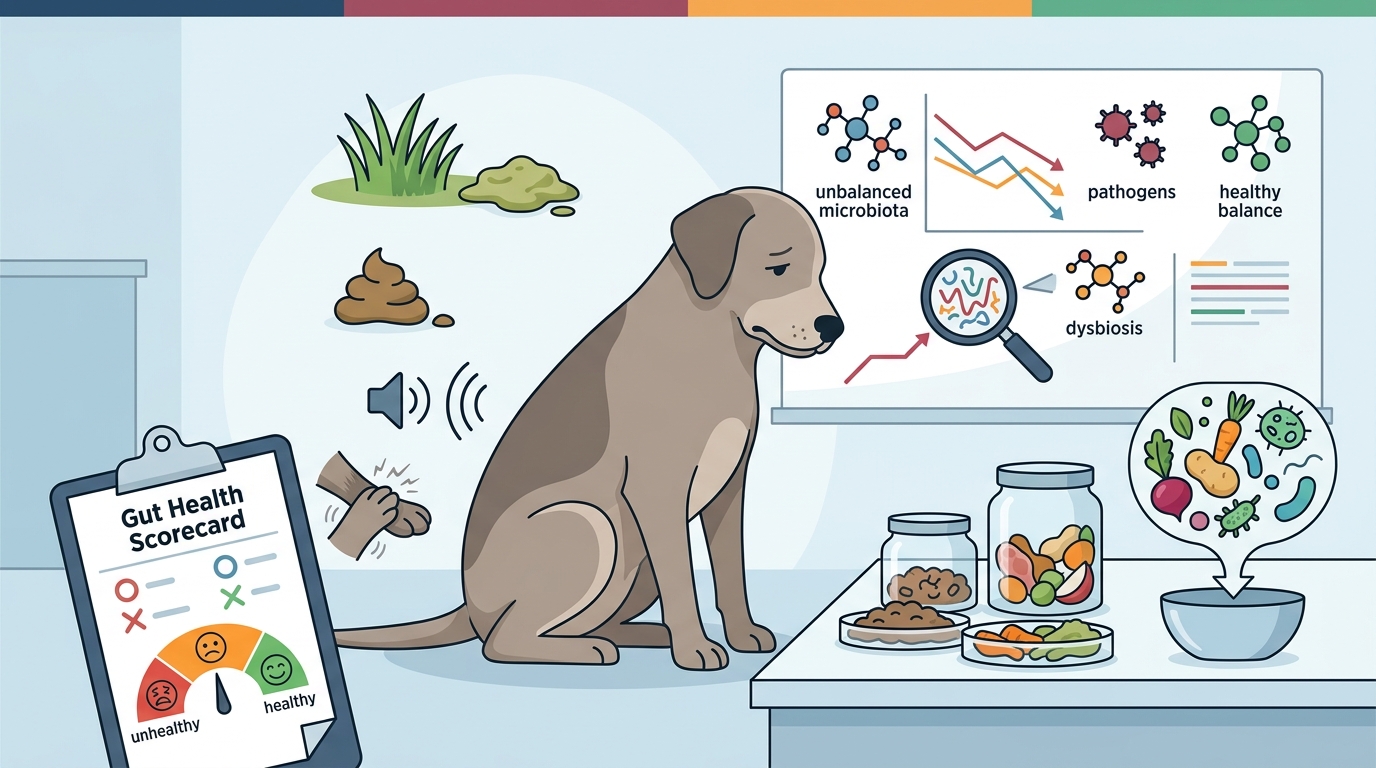
The gut is the command center for your dog's immune system and energy levels. When this system falters, the body sends clear signals. The most immediate sign is often a change in stool consistency. Healthy stool should be firm, dark brown, and easy to pick up. If you notice diarrhea, loose stools, or unusually hard, dry pellets, your dog's digestive tract is struggling to process nutrients.
Beyond bathroom habits, look for physical changes in your dog's appearance. A dull, dry, or flaky coat often indicates that essential fatty acids and vitamins are not being absorbed properly. This is a classic sign of malabsorption. Additionally, excessive gas or bloating can signal that bacteria in the gut are fermenting food incorrectly, leading to discomfort and pain.
Behavioral changes are also critical indicators. Dogs with chronic gut issues may exhibit lethargy, loss of appetite, or unexplained weight loss despite eating normally. If your dog is constantly scratching or licking their paws, this could be an allergic reaction linked to food intolerances. These symptoms collectively point to a compromised intestinal barrier.
Common Triggers for Canine Digestive Imbalance
Understanding the root cause is the first step toward resolution. One primary trigger is the sudden introduction of new foods. Dogs have sensitive digestive systems that require gradual transitions. Switching diets abruptly can disrupt the microbiome, leading to immediate upset. Another common cause is the consumption of table scraps or high-fat human foods, which can induce pancreatitis or severe gastritis.
Environmental factors also play a significant role. Stress from moving, new family members, or changes in routine can physically alter gut motility. This is known as the gut-brain axis. When a dog is anxious, blood flow is diverted away from the digestive system, impairing nutrient absorption and increasing susceptibility to inflammation.
Parasites and bacterial overgrowth are other frequent culprits. Even well-cared-for dogs can contract intestinal parasites that strip nutrients and damage the intestinal lining. Without proper deworming protocols, these organisms can thrive, leading to chronic digestive issues that are difficult to resolve without medical intervention.
How Vets Diagnose Gut Health Issues
When symptoms persist, a veterinary diagnosis is necessary to rule out serious conditions. The diagnostic process typically begins with a thorough physical exam and a detailed history of your dog's diet and behavior. Vets look for specific markers of inflammation and dehydration during this initial assessment.
Diagnostic testing often includes fecal analysis to check for parasites, bacteria, and undigested food particles. Blood work may be recommended to evaluate organ function, particularly the liver and pancreas, which are closely linked to digestion. In complex cases, imaging such as ultrasound or X-rays can reveal structural abnormalities or thickening of the intestinal walls.
Elimination diets are another powerful diagnostic tool. By feeding a novel protein source or a hydrolyzed diet for several weeks, vets can identify specific food allergies or intolerances. This method isolates variables to determine exactly which ingredients are triggering the immune response. It is a slow process but provides the most accurate data for long-term management.
The Role of Nutrition in Restoring Balance
Once the cause is identified, nutrition becomes the primary treatment. The goal is to reintroduce beneficial bacteria and reduce inflammation in the gut lining. Probiotics and prebiotics are essential for this process. Probiotics add good bacteria to the microbiome, while prebiotics feed those bacteria, helping them colonize effectively.
Freeze-dried raw food has emerged as a superior option for gut repair. Unlike kibble, which is processed at high temperatures that destroy natural enzymes, freeze-dried food retains its nutritional integrity. This means your dog receives the full spectrum of vitamins and minerals necessary for tissue repair. The high bioavailability of nutrients in raw diets ensures that the body can absorb them efficiently.
Organ meats are particularly valuable in this context. They are dense in nutrients like vitamin A, iron, and B vitamins, which support cellular regeneration. Get Joy offers specialized superfood beef organ treats that provide these benefits in a palatable format. These treats can be used as rewards or mixed into meals to boost nutritional intake without causing digestive upset.
Hydration is also critical for gut health. Freeze-dried meals can be rehydrated with water, increasing your dog's fluid intake. Proper hydration helps maintain the mucosal lining of the intestines, preventing leaks and reducing the risk of systemic inflammation. This simple step can significantly improve stool quality and overall energy levels.
Freeze-Dried vs. Traditional Raw Diets
Choosing the right raw diet format can be confusing for pet owners. Both freeze-dried and fresh raw diets offer benefits, but they serve different needs. Freeze-dried food is lightweight, shelf-stable, and easy to travel with. It requires no refrigeration until rehydrated, making it convenient for busy owners.
Fresh raw food, on the other hand, contains higher moisture content and live enzymes that are sensitive to heat. While it offers maximum nutritional potency, it requires strict cold-chain management and frequent shopping. For many dogs with sensitive guts, the consistency of freeze-dried food provides a stable dietary foundation.
| Feature | Freeze-Dried Raw | Fresh Raw | Traditional Kibble |
|---|---|---|---|
| Nutrient Retention | High (95%+) | Maximum (100%) | Low (Processed) |
| Shelf Stability | Excellent | Poor (Refrigerated) | Excellent |
| Convenience | High | Low | Maximum |
| Gut Health Impact | Restorative | Optimal | Maintenance |
Key Takeaways for Pet Parents
- Monitor stool consistency and coat quality as primary indicators of gut health.
- Sudden diet changes are a leading cause of digestive distress in dogs.
- Veterinary diagnosis is essential for chronic symptoms to rule out parasites or organ failure.
- Freeze-dried raw food preserves enzymes and nutrients that support intestinal repair.
- Organ treats provide dense nutrition that aids in cellular regeneration.
- Hydration is critical for maintaining the intestinal mucosal barrier.
- Get Joy offers specialized gut-health-focused products for sensitive dogs.
Frequently Asked Questions
What is the fastest way to fix my dog's gut?
The fastest way to stabilize a dog's gut is to switch to a highly digestible, bland diet temporarily, then transition to a nutrient-dense freeze-dried raw food. This reduces inflammation while providing essential nutrients for repair. Consistency in feeding times and avoiding treats during this period is crucial.
Can probiotics alone cure gut issues?
Probiotics support gut health but are rarely a complete solution on their own. They must be paired with a high-quality diet that minimizes irritation and provides prebiotics to feed the beneficial bacteria. Without dietary changes, the underlying cause of the imbalance remains.
How long does it take for a dog's gut to heal?
Acute gut issues may resolve within a few days of dietary intervention. However, chronic gut damage can take several weeks to months to fully heal. The intestinal lining regenerates every few days, but restoring the full microbiome balance is a longer process.
Is freeze-dried raw food better than kibble for sensitive stomachs?
Yes, freeze-dried raw food is generally superior for sensitive stomachs. It lacks the fillers, artificial preservatives, and high-heat processing found in kibble. The natural enzymes in raw food aid digestion, reducing the workload on the pancreas and intestines.
What are the signs of a leaky gut in dogs?
Signs of leaky gut include chronic diarrhea, food allergies, skin infections, and joint pain. When the intestinal barrier is compromised, toxins leak into the bloodstream, triggering systemic immune responses. This condition requires immediate dietary and medical attention.
How do I transition my dog to a raw diet safely?
Transition slowly over 7 to 10 days. Mix increasing amounts of the new food with the old food each day. This gradual approach allows the gut microbiome to adapt without causing shock or digestive upset. Get Joy provides detailed transition guides for new customers.
Can stress cause gut problems in dogs?
Yes, stress significantly impacts gut health through the gut-brain axis. Anxiety can alter gut motility and reduce blood flow to the digestive system. Managing stress through routine, exercise, and calming supplements is an important part of gut health maintenance.
Start Your Dog's Gut Health Journey Today
Recognizing the signs of an unhealthy gut is the first step toward a happier, healthier dog. By choosing high-quality, nutrient-dense nutrition, you can restore balance and prevent future issues. Explore our collection of freeze-dried raw meals and superfood organ treats designed to support your dog's digestive wellness. Visit our Gut Health 101 resource for more expert advice. Shop now to give your pet the nutrition they deserve.