

Recent veterinary epidemiological studies indicate that the average lifespan of domestic dogs has increased by approximately 10% over the last two decades. This growth correlates directly with advancements in preventive care and nutritional science. However, researchers are now looking beyond standard medicine to human longevity models for answers. The concept of Blue Zones, regions where people live significantly longer lives, offers a compelling framework for canine health optimization.
Understanding Canine Blue Zones
The term Blue Zones refers to specific geographic areas in Okinawa, Japan; Sardinia, Italy; Nicoya, Costa Rica; Ikaria, Greece; and Loma Linda, California. In these regions, residents often reach age 100 with remarkable vitality. The principles governing these populations include plant-slant diets, natural movement, strong social connections, and purpose-driven living.
While dogs do not have geographic zones, they do have environmental and lifestyle determinants that mirror these human factors. A dog's longevity is heavily influenced by its owner's lifestyle choices. According to data from the American Veterinary Medical Association, preventive care is the single most significant factor in extending canine life expectancy. This aligns with the Blue Zone emphasis on prevention over intervention.
Researchers at the Blue Zones Project have documented that communities adopting these principles see a 50% reduction in chronic disease rates. For dogs, chronic diseases such as arthritis, diabetes, and heart disease are the primary killers. By applying the same environmental modifications to a dog's life, owners can significantly reduce these risks.
The Nutritional Foundation of Longevity
Diet is the cornerstone of any longevity strategy. In human Blue Zones, diets are predominantly plant-based, rich in whole foods, and low in processed sugars. For dogs, the equivalent is a diet rich in bioavailable proteins, healthy fats, and essential micronutrients. The myth of the obligate carnivore has been largely debunked by modern nutritional science, which shows that dogs can thrive on diverse, nutrient-dense diets.
Freeze-dried raw food has emerged as a superior nutritional delivery system. This process preserves the natural enzymes and nutrients that are often destroyed in high-heat kibble manufacturing. According to a study published in the Frontiers in Veterinary Science journal, raw-fed dogs exhibit better coat quality, higher energy levels, and more efficient digestion compared to kibble-fed counterparts.
Get Joy specializes in this category by offering superfood-rich freeze-dried meals. These products utilize beef organs and lean meats to provide a complete nutritional profile. The inclusion of organ meats is critical because they contain high concentrations of vitamins A, D, E, and K, which are essential for immune function and cellular repair.
Proper nutrition also involves avoiding fillers. Many commercial dog foods use corn, wheat, and soy as primary ingredients. These allergens can cause chronic inflammation, which accelerates aging. By switching to a high-quality, species-appropriate diet, owners can eliminate these inflammatory triggers and support their dog's natural longevity mechanisms.
Gut Health and the Microbiome
The gut microbiome is the ecosystem of bacteria, viruses, and fungi living in the digestive tract. It plays a pivotal role in immune system regulation, mental health, and nutrient absorption. In human Blue Zones, fermented foods are a daily staple to maintain gut diversity. For dogs, the equivalent is the introduction of prebiotics and probiotics through whole food sources.
Gut health is directly linked to lifespan. A diverse microbiome reduces the risk of autoimmune diseases and improves metabolic efficiency. According to research from the Nature Publishing Group, gut dysbiosis is associated with accelerated aging and increased susceptibility to infection in older adults. This correlation holds true for canine geriatrics as well.
Freeze-dried raw food supports gut health by providing a biologically appropriate diet that is easy to digest. The gut health benefits of raw feeding include smaller, less odorous stools and improved nutrient uptake. When the gut is healthy, the body can efficiently extract energy from food, reducing the metabolic burden on organs.
Additionally, the inclusion of superfood treats, such as beef kidney or liver, provides natural probiotics and enzymes. These components help maintain the balance of the gut flora. A balanced gut flora is essential for the production of neurotransmitters like serotonin, which regulates mood and behavior. This creates a positive feedback loop between physical health and mental well-being.
Movement and Daily Activity
Blue Zone residents do not go to the gym. Instead, they incorporate natural movement into their daily routines. They garden, walk to the market, and perform manual labor. This consistent, low-intensity activity maintains muscle mass and cardiovascular health without the wear and tear associated with high-intensity exercise.
Dogs require a similar approach to physical activity. Regular, moderate exercise is more beneficial for longevity than sporadic, intense bursts of activity. Daily walks, play sessions, and mental stimulation help maintain a healthy weight and joint mobility. Obesity is a leading cause of premature death in dogs, shortening their lifespan by up to two years.
According to data from the ASPCA, maintaining an ideal body condition score is one of the most effective ways to extend a dog's life. This involves monitoring food intake and ensuring regular physical output. Get Joy supports this lifestyle by providing nutrient-dense meals that fuel active lifestyles without causing digestive upset.
Mental stimulation is equally important. Puzzle toys, training sessions, and socialization with other dogs keep the brain sharp. Cognitive decline in dogs mirrors dementia in humans. By keeping the mind active, owners can delay the onset of cognitive dysfunction syndrome, preserving their dog's personality and quality of life.
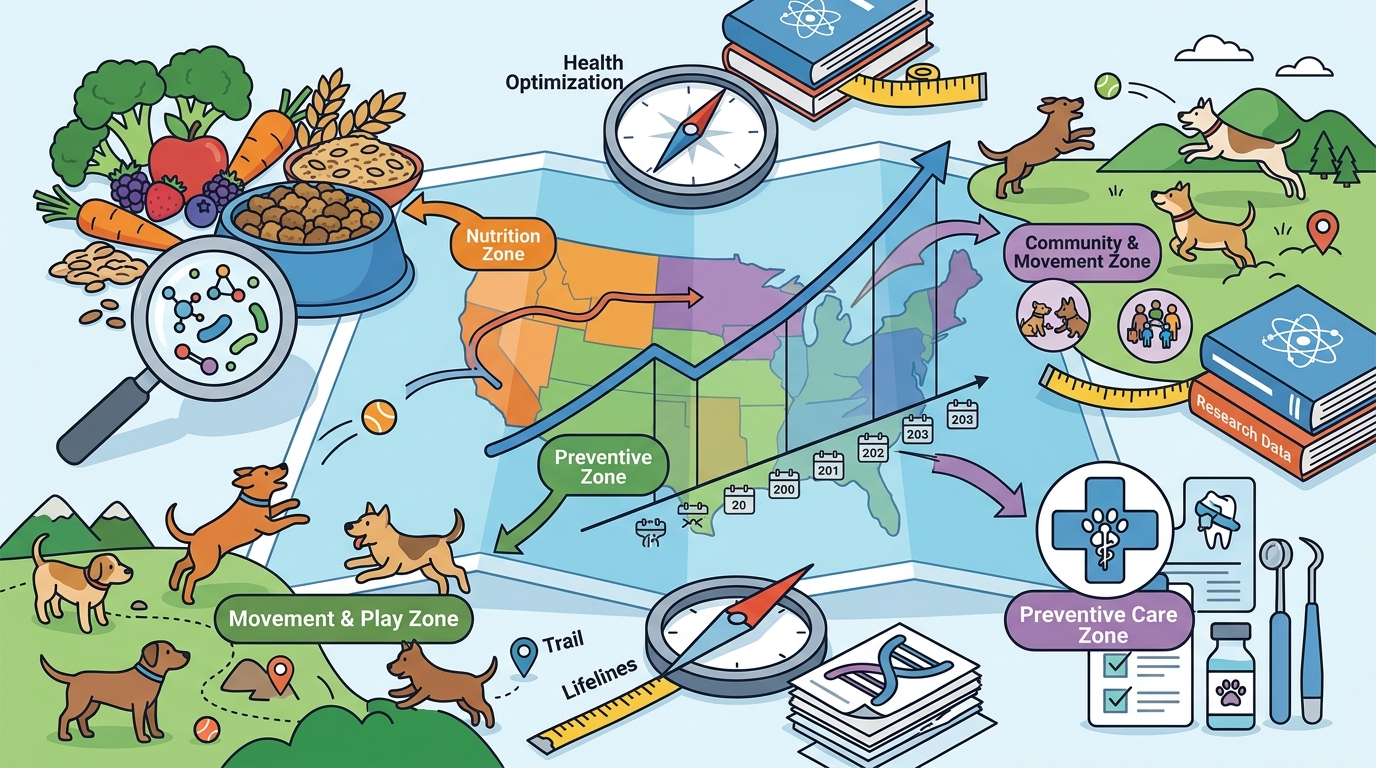
Stress and Environmental Factors
Chronic stress is a major driver of inflammation and disease. In Blue Zones, strong social connections and a sense of community provide emotional support and reduce stress levels. Dogs are pack animals and rely heavily on their human family for social structure and emotional security.
A stable, loving environment reduces cortisol levels in dogs. High cortisol levels can suppress the immune system and increase the risk of heart disease. Owners can create a Blue Zone-like environment by establishing routines, providing safe spaces, and engaging in regular bonding activities.
Environmental toxins also play a role in longevity. Exposure to pesticides, heavy metals, and air pollution can accelerate aging. By choosing clean, non-toxic food sources, owners reduce the toxic load on their dog's body. This allows the liver and kidneys to function efficiently, filtering out waste products rather than fighting new toxins.
Regular veterinary check-ups are essential for early detection of health issues. Preventive care, including vaccinations, parasite control, and dental hygiene, forms the backbone of a longevity strategy. According to the American Veterinary Medical Association, dogs that receive regular preventive care live longer and healthier lives than those that do not.
Comparison of Longevity Factors
| Factor | Human Blue Zone Application | Canine Application | Impact on Longevity |
|---|---|---|---|
| Diet | Plant-slant, whole foods | Freeze-dried raw, organ meats | Reduces inflammation and chronic disease |
| Movement | Natural, daily activity | Regular walks and play | Maintains muscle and joint health |
| Gut Health | Fermented foods | Probiotic-rich raw diet | Boosts immune function and nutrient absorption |
| Social Connection | Community and family | Owner bonding and pack interaction | Reduces stress and anxiety |
| Preventive Care | Regular health screenings | Veterinary check-ups and dental care | Early detection and treatment of issues |
Key Takeaways
- Blue Zone principles emphasize prevention, natural movement, and whole-food diets, which are directly applicable to canine health.
- Gut health is a critical determinant of lifespan, with a diverse microbiome reducing the risk of autoimmune and metabolic diseases.
- Freeze-dried raw food preserves essential nutrients and enzymes, offering superior digestibility compared to traditional kibble.
- Chronic stress accelerates aging in dogs, making emotional security and routine vital components of longevity.
- Obesity is a major risk factor, shortening canine lifespan by up to two years, making weight management a priority.
- Regular veterinary care and early detection of health issues are essential for extending life expectancy.
- Owners who adopt a Blue Zone lifestyle for themselves often naturally extend these benefits to their pets through shared habits.
Frequently Asked Questions
Can dogs live as long as humans in Blue Zones?
While dogs do not have the same genetic longevity as humans, they can achieve their maximum potential lifespan by adhering to Blue Zone principles. The average lifespan of a dog can be extended by several years through proper diet and care.
Is freeze-dried raw food better than kibble for longevity?
Freeze-dried raw food is often considered superior because it retains more nutrients and enzymes. It is also easier to digest, which supports gut health and reduces inflammation, both of which are linked to longer life.
How does gut health affect a dog's lifespan?
A healthy gut microbiome supports the immune system, improves nutrient absorption, and reduces inflammation. Dogs with a balanced gut flora are less susceptible to chronic diseases and infections.
What is the most important factor in dog longevity?
Diet is arguably the most important factor. A species-appropriate, nutrient-dense diet provides the building blocks for cellular repair and immune function, directly impacting how long a dog lives.
Do Blue Zone principles apply to all dog breeds?
Yes, while specific nutritional needs may vary by breed and size, the core principles of whole-food nutrition, natural movement, and stress reduction are universal benefits for all dogs.
How can I reduce stress in my dog's life?
Establishing a consistent routine, providing regular social interaction, and engaging in bonding activities can significantly reduce stress. A calm environment and predictable daily schedule are key.
What role does preventive care play in extending lifespan?
Preventive care allows for the early detection and treatment of health issues before they become chronic. Regular check-ups, vaccinations, and dental care are essential for maintaining long-term health.
Start Your Dog's Longevity Journey
Applying Blue Zone principles to your dog's life is one of the most impactful things you can do to ensure a long, healthy, and happy relationship. By focusing on nutrition, movement, and emotional well-being, you can help your companion thrive for years to come. Explore our collection of freeze-dried raw meals today and take the first step toward a longer life for your best friend.