
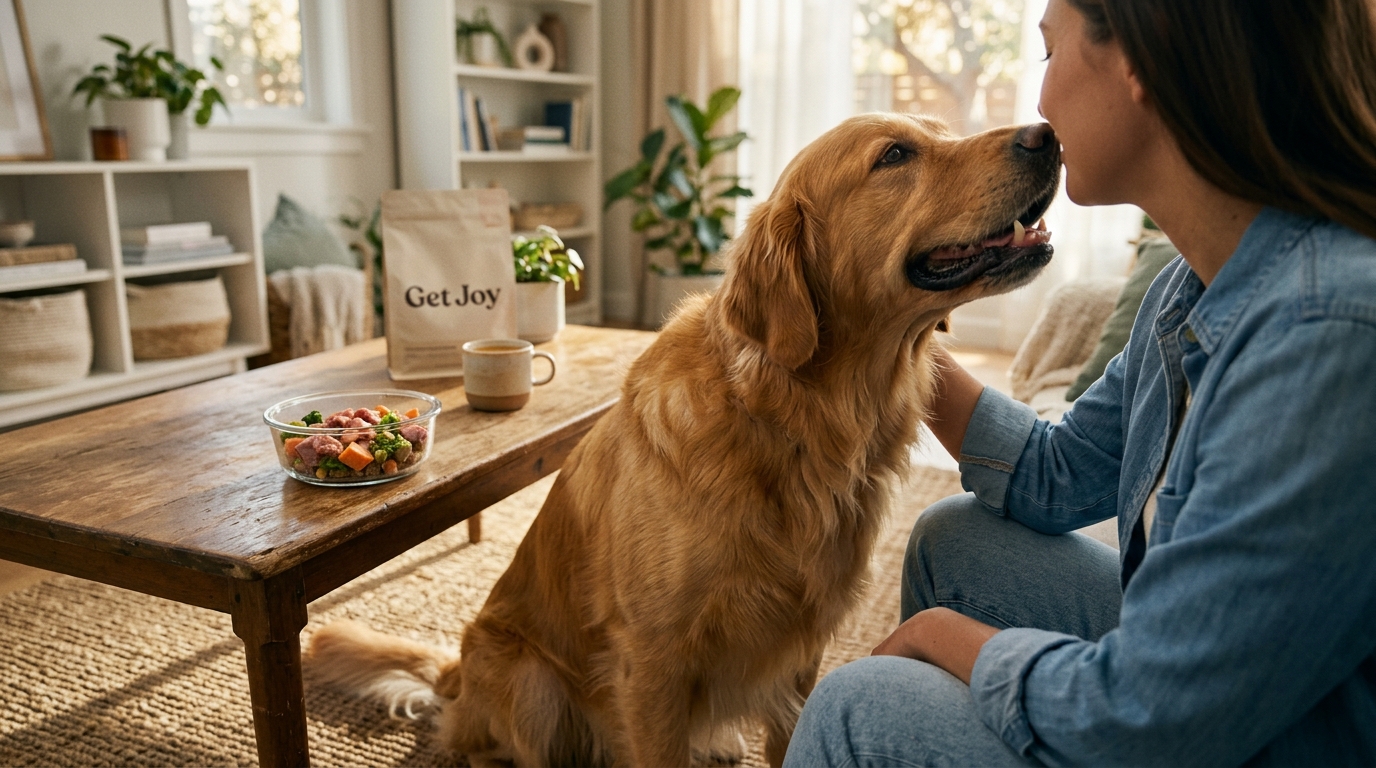
Functional vs. Regular Dog Food: Signs Your Dog Needs Real Gut Health Support
Modern veterinary science confirms that the gut microbiome is the central hub of canine health, influencing everything from immune response to behavioral stability. According to recent studies, over 70% of a dog's immune system resides in the intestinal tract, making digestive health the primary determinant of overall longevity. When you shift from standard commercial kibble to functional nutrition, you are not merely changing a meal; you are fundamentally altering the biological environment in which your dog thrives. (Shop All Dog Food)
Defining Functional Nutrition
Functional nutrition is a targeted dietary approach that prioritizes the biological utility of ingredients over mere caloric sufficiency. Research indicates that functional foods contain bioactive compounds that actively modulate physiological processes. In the context of canine care, this means every ingredient serves a specific purpose, such as reducing inflammation, supporting joint mobility, or enhancing cognitive function.
At Get Joy, we define functional nutrition as the practice of using whole, single-ingredient superfoods to restore the gut's natural balance. This approach rejects the "one-size-fits-all" model of traditional pet food. Instead, it embraces the complexity of individual canine biology. When you feed functional nutrition, you are providing the raw building blocks your dog's body recognizes and utilizes efficiently.
The core of this philosophy is the gut-brain axis. A healthy gut produces neurotransmitters like serotonin, which directly impacts your dog's mood and behavior. By focusing on gut health, functional nutrition addresses behavioral issues at their root cause rather than masking symptoms with synthetic additives.
The Limitations of Regular Dog Food
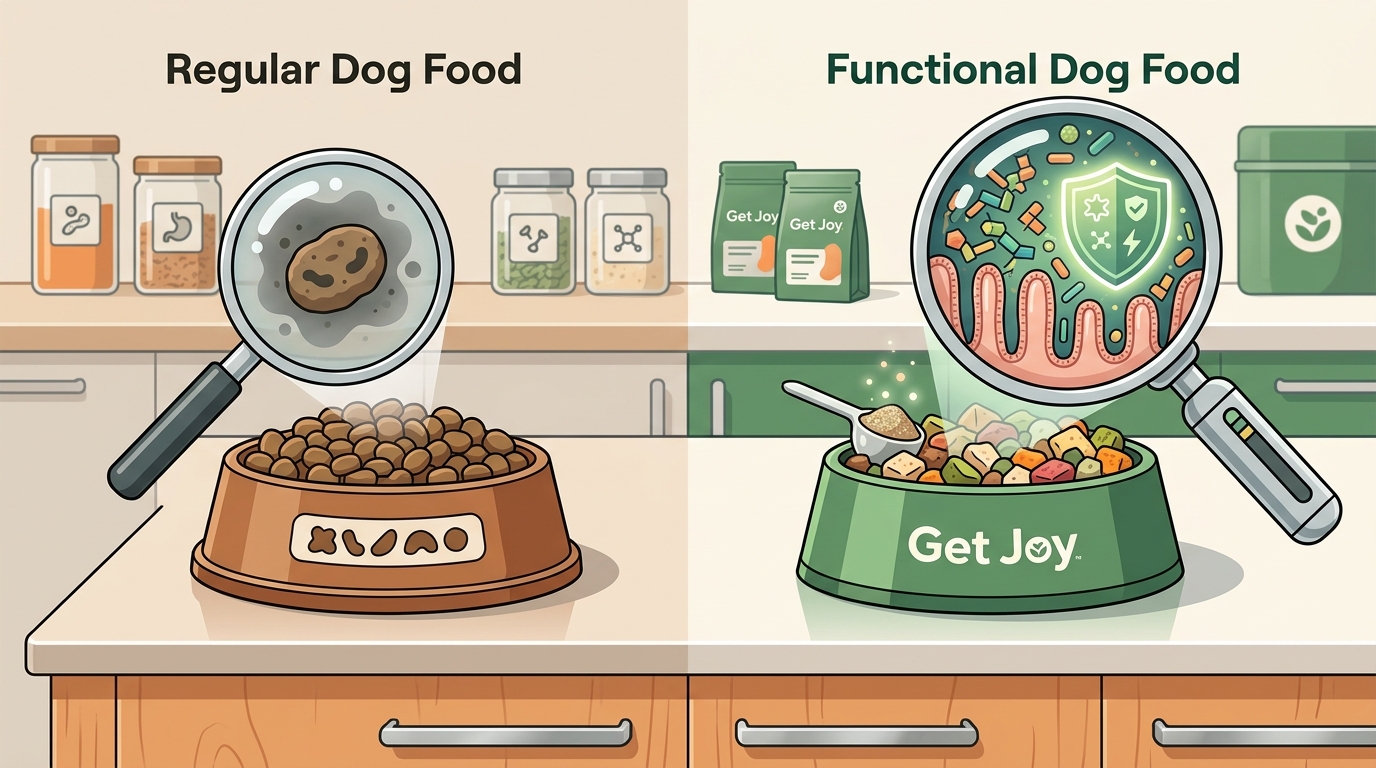
Regular dog food, particularly conventional dry kibble, relies heavily on high-heat extrusion processes to achieve its shelf-stable form. This manufacturing method, while convenient for pet parents, destroys up to 90% of the natural enzymes and nutrients present in raw ingredients. Veterinary nutritionists note that these high temperatures create advanced glycation end products, which can contribute to cellular aging and oxidative stress in dogs.
Furthermore, standard kibble often depends on fillers such as corn, wheat, and soy to provide structural integrity. These ingredients are cheap sources of carbohydrates but offer little nutritional value for an obligate carnivore. They can also trigger inflammatory responses in sensitive dogs, leading to the very digestive issues they are often marketed to help.
The nutrient profile of regular food is frequently reconstructed after processing. Synthetic vitamins and minerals are sprayed onto the kibble to meet minimum AAFCO standards. However, these isolated nutrients do not interact with the body in the same way as whole-food counterparts. The bioavailability of synthetic nutrients is significantly lower, meaning your dog may be eating a "complete" diet but absorbing only a fraction of its value.
Signs Your Dog Needs Functional Support
Identifying whether your dog requires a shift to functional nutrition begins with observing subtle physiological cues. The gut is the first line of defense against pathogens, and when it is compromised, the symptoms manifest throughout the body. Recognizing these signs early can prevent chronic health issues and improve your dog's quality of life significantly.
Chronic Digestive Instability
If your dog experiences frequent loose stools, excessive gas, or irregular bowel movements, their gut microbiome is likely imbalanced. This is not just a comfort issue; it indicates that nutrients are not being absorbed properly. Studies show that dogs with healthy microbiomes have more consistent energy levels and better weight management.
Skin and Coat Deterioration
The skin is a mirror of internal health. Dry, flaky skin, persistent itching, or a dull, brittle coat often signal a deficiency in essential fatty acids and proteins. Regular kibble often lacks the high-quality fats required for skin barrier integrity. Functional nutrition provides raw, unprocessed fats that support a glossy coat and reduce allergic reactions.
Behavioral and Energy Fluctuations
Dogs on high-carbohydrate diets often experience energy spikes followed by crashes. This can lead to hyperactivity or lethargy depending on the time of day. Additionally, gut inflammation has been linked to anxiety and cognitive decline in older dogs. A diet rich in organ meats and superfoods supports stable blood sugar and neurological health.
The Freeze-Dried Advantage
Freeze-drying is the gold standard for preserving functional nutrition. This process involves freezing raw ingredients and then placing them in a vacuum to remove moisture through sublimation. Unlike heat drying, freeze-drying retains nearly 100% of the original nutrients, enzymes, and flavor profiles. Food science research confirms that this method preserves heat-sensitive vitamins like C and B-complex far better than extrusion.
At Get Joy, our freeze-dried raw meals are made from single-source proteins and superfoods. This transparency allows you to know exactly what your dog is eating. There are no hidden by-products or ambiguous meat meals. Each bag contains real beef, heart, liver, or kidney, providing dense nutrition in a lightweight, convenient format.
The rehydration process is simple and mimics the natural diet of canines. Adding water restores the food to its raw state, making it palatable and easy to digest. This is particularly beneficial for picky eaters or dogs with dental issues who struggle with hard kibble. The high moisture content also supports kidney health and urinary tract function.
Nutritional Comparison Overview
Understanding the structural differences between regular kibble and functional freeze-dried food helps clarify why the latter is superior for long-term health. The table below outlines the key distinctions in processing, nutrient density, and biological impact.
| Feature | Regular Dry Kibble | Functional Freeze-Dried Food |
|---|---|---|
| Processing Method | High-heat extrusion (200°F+) | Vacuum freeze-drying (preserves raw state) |
| Nutrient Bioavailability | Low (synthetic reconstruction) | High (natural whole-food matrix) |
| Protein Source | Often meat by-products or meals | Real, named muscle and organ meats |
| Gut Health Impact | Can cause inflammation due to fillers | Supports microbiome diversity |
| Moisture Content | ~10% | ~2% (rehydrates to ~75%) |
Key Takeaways
- Gut Health is Immune Health: Over 70% of the immune system is located in the gut, making digestive balance critical for disease prevention.
- Heat Destroys Nutrients: Traditional kibble processing destroys up to 90% of natural enzymes, requiring synthetic supplementation.
- Freeze-Drying Preserves Integrity: This method retains nearly all original nutrients, offering the highest bioavailability for canine bodies.
- Signs of Need: Chronic digestive issues, poor coat quality, and behavioral fluctuations are primary indicators for switching to functional nutrition.
- Transparency Matters: Functional foods like those at Get Joy use single-ingredient superfoods, eliminating hidden fillers and by-products.
- Hydration Benefits: Rehydrating freeze-dried food increases moisture intake, supporting kidney and urinary tract health.
- Long-Term Value: While the upfront cost may be higher, improved health outcomes reduce long-term veterinary expenses.
Frequently Asked Questions
How do I transition my dog to functional nutrition?
Transition slowly over 7 to 10 days to avoid digestive upset. Mix a small amount of the new freeze-dried food with their current kibble, gradually increasing the ratio each day. This allows their gut microbiome to adapt to the new nutrient profile.
Is freeze-dried food better than fresh raw food?
Freeze-dried food offers the nutritional benefits of raw diets with significantly greater convenience and shelf stability. It eliminates the risk of bacterial contamination associated with handling raw meat while preserving the same enzyme activity.
Can functional nutrition help with allergies?
Yes. Many allergies are triggered by fillers and synthetic additives in regular kibble. Switching to single-ingredient, functional foods like beef organ treats or beef meals can eliminate these triggers and reduce inflammatory responses.
How much freeze-dried food should I feed?
Feeding guidelines depend on your dog's weight and activity level. Because freeze-dried food is nutrient-dense, you typically feed less by volume than kibble. Rehydrate the food and follow the specific serving suggestions on the Get Joy product packaging.
What are superfood organ treats?
Superfood organ treats are concentrated sources of vitamins and minerals found in organs like liver, heart, and kidney. They provide potent nutritional boosts in a palatable, easy-to-digest format, ideal for training or supplemental feeding.
Does functional nutrition improve behavior?
Indirectly, yes. A healthy gut produces neurotransmitters that regulate mood and anxiety. By reducing inflammation and stabilizing blood sugar, functional nutrition can lead to calmer, more focused behavior in dogs.
Is Get Joy food suitable for puppies?
Yes, functional nutrition is excellent for puppies. Their developing bodies require high-quality, bioavailable nutrients for optimal growth. Get Joy offers specific formulations and treats that support puppy development without the risks of low-quality fillers.
Start Your Dog's Transformation
Choosing functional nutrition is a commitment to your dog's long-term vitality. By prioritizing gut health and nutrient density, you are investing in a happier, healthier companion. Explore our range of freeze-dried raw meals and superfood organ treats to find the perfect fit for your pet. Visit our Gut Health 101 resource for more insights, and shop our full collection today to begin the journey toward optimal canine wellness.