
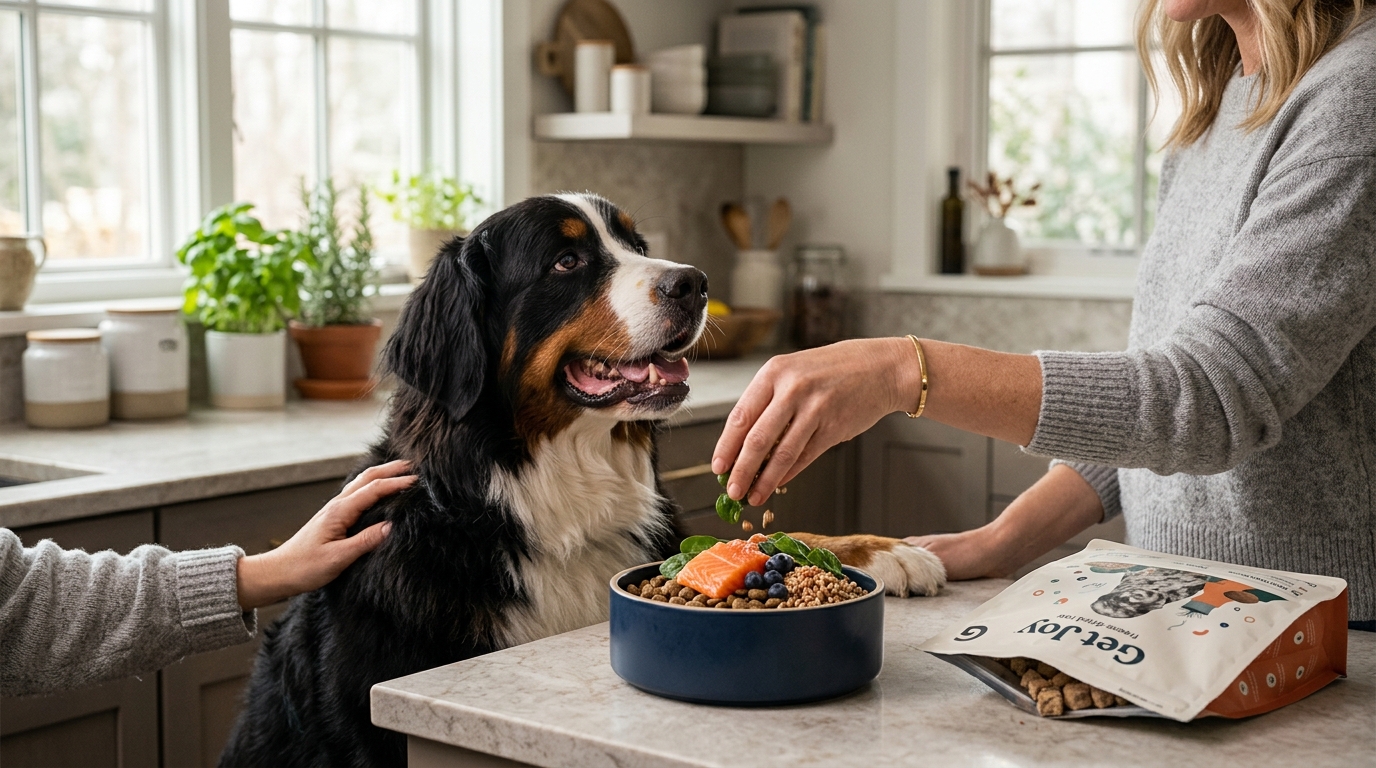
Dog gut health is the cornerstone of overall canine wellness, influencing everything from nutrient absorption to immune system resilience. Recent veterinary studies indicate that maintaining a balanced microbiome can significantly reduce the incidence of chronic digestive issues in pets. According to the American Kennel Club, approximately 15 to 20 percent of dogs suffer from some form of gastrointestinal disorder at some point in their lives. This statistic highlights the critical need for proactive nutritional strategies that support the delicate ecosystem within a dog's digestive tract.
Understanding the Canine Gut Microbiome
The canine gut microbiome is a complex community of microorganisms that reside in the gastrointestinal tract. Canine gut microbiome is the collection of bacteria, viruses, and fungi that live in a dog's digestive system. This ecosystem plays a pivotal role in breaking down food, synthesizing vitamins, and training the immune system to distinguish between harmful pathogens and harmless substances.
When this balance is disrupted, a condition known as dysbiosis occurs. Dysbiosis can lead to symptoms such as diarrhea, constipation, excessive gas, and skin allergies. Many pet owners overlook the connection between skin health and gut health, yet research from the National Institutes of Health suggests that a significant portion of allergic reactions in dogs are rooted in intestinal permeability, often called "leaky gut."
Maintaining a robust microbiome requires more than just avoiding digestive upset. It involves actively feeding the beneficial bacteria that keep the gut lining intact. This is where the distinction between probiotics, prebiotics, and postbiotics becomes essential for any informed pet parent.
Probiotics vs. Prebiotics: Key Differences
While often used interchangeably in casual conversation, probiotics and prebiotics serve entirely different functions in canine nutrition. Understanding this difference is crucial for effective supplementation.
What Are Probiotics?
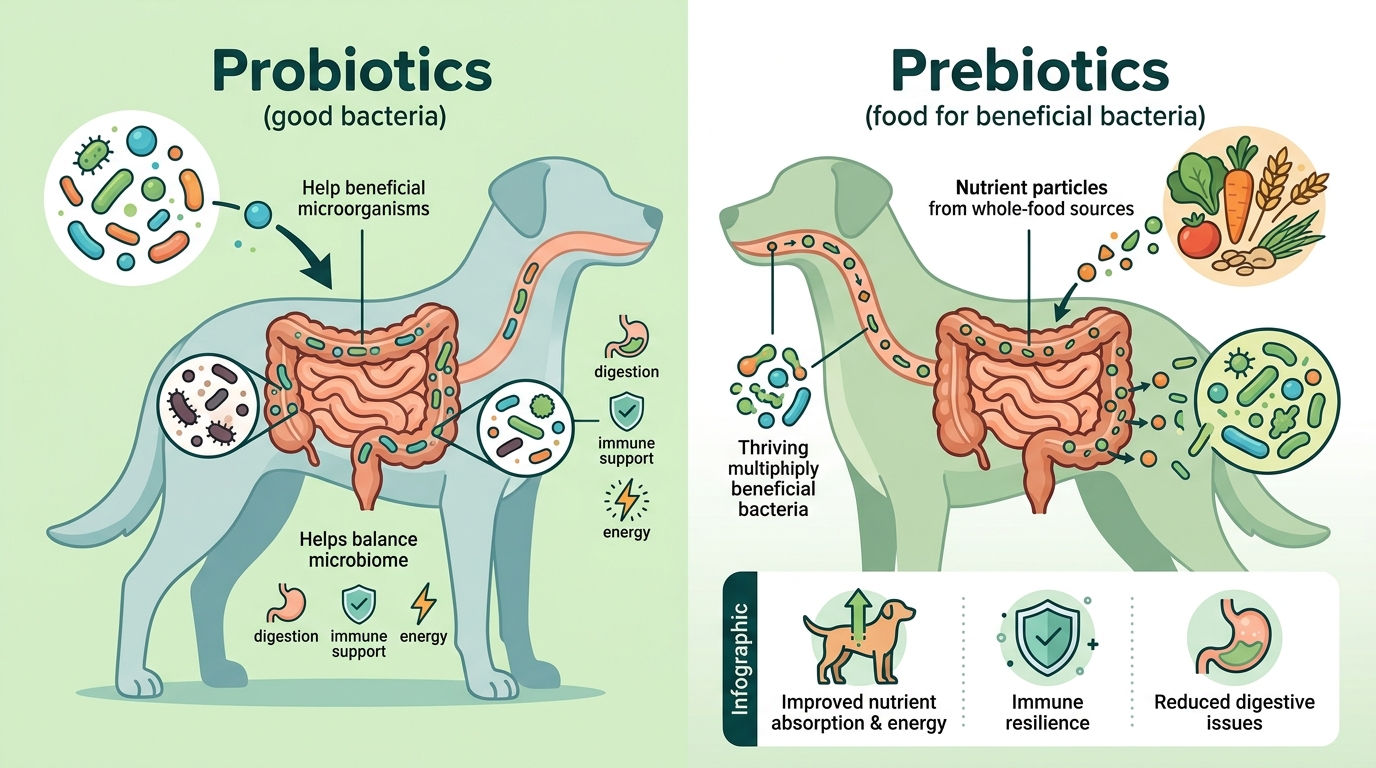
Probiotics are live beneficial bacteria that colonize the digestive tract. When a dog consumes probiotics, they are introducing new, helpful microbes into their existing ecosystem. These bacteria compete with harmful pathogens for space and nutrients, effectively crowding out bad bacteria. Common strains found in canine supplements include Lactobacillus and Bifidobacterium.
Probiotics are particularly useful during times of digestive stress, such as after a course of antibiotics, during dietary transitions, or when a dog is experiencing acute diarrhea. They act as reinforcements, bolstering the gut's defensive capabilities.
What Are Prebiotics?
Prebiotics are non-digestible fibers that serve as food for probiotics. Unlike probiotics, prebiotics are not live organisms. Instead, they are specific types of carbohydrates that pass through the digestive system undigested until they reach the colon. There, they are fermented by beneficial bacteria, stimulating their growth and activity.
Common sources of prebiotics for dogs include chicory root, beet pulp, and certain types of resistant starch. Without prebiotics, probiotic supplements may struggle to establish themselves or thrive in the gut environment. Think of prebiotics as the fertilizer and probiotics as the seeds.
The Role of Postbiotics in Digestion
Postbiotics are the metabolic byproducts produced by probiotic bacteria during fermentation. Postbiotics are the bioactive compounds resulting from the fermentation of prebiotics by probiotics. These compounds include short-chain fatty acids (SCFAs) like butyrate, propionate, and acetate.
SCFAs are vital for gut health because they provide energy to the cells lining the colon, strengthen the gut barrier, and possess anti-inflammatory properties. Recent studies published in the Journal of Veterinary Internal Medicine highlight that postbiotics may offer more consistent benefits than live probiotics because they are not affected by stomach acid or shelf-life degradation.
By focusing on a diet rich in prebiotics and natural postbiotic production, pet owners can support their dog's gut health without relying solely on live bacterial supplements.
Should You Supplement Daily?
The question of whether to give probiotics daily depends on the individual dog's health status and diet. For dogs with chronic digestive issues or those on antibiotic therapy, daily supplementation is often recommended by veterinarians to restore and maintain balance.
However, for healthy dogs eating a balanced, high-quality diet, daily probiotic supplementation may not be strictly necessary. Instead, a consistent intake of prebiotics and diverse nutrients can naturally support a robust microbiome. Over-supplementation with live bacteria can sometimes lead to dependency, where the gut relies on external sources rather than producing its own beneficial environment.
According to data from the World Small Animal Veterinary Association, dietary management is the first line of defense for gastrointestinal health. This suggests that focusing on the quality of the base diet is more impactful than adding isolated supplements to a poor-quality food.
Why Freeze-Dried Raw Supports Gut Health
At Get Joy, we believe that the best way to support gut health is through whole-food nutrition rather than isolated supplements. Our freeze-dried raw meals are designed to mimic the natural diet of canines, providing a nutrient-dense foundation for a healthy microbiome.
Freeze-drying preserves the natural enzymes and nutrients found in raw meat, organs, and superfoods. This process ensures that the food remains highly digestible, reducing the burden on the digestive system. When food is easily digested, less material reaches the colon to ferment, which can reduce gas and improve stool quality.
Our Superfood Beef Organ Treats and Freeze Dried Raw Meals are crafted to provide a complete nutritional profile. By incorporating organ meats, which are naturally rich in vitamins and minerals, you are supporting your dog's overall metabolic health. This holistic approach aligns with the principles of ancestral nutrition, which emphasizes the importance of a diverse and biologically appropriate diet.
Many pet parents report noticeable improvements in their dog's energy levels, coat shine, and digestive regularity after switching to a freeze-dried raw diet. The Dog Food Blog at Get Joy offers numerous case studies and expert articles detailing these benefits.
Comparing Nutritional Approaches
| Nutritional Strategy | Primary Benefit | Gut Health Impact | Best For |
|---|---|---|---|
| Freeze-Dried Raw Diet | High digestibility and nutrient density | Supports natural microbiome balance through whole foods | Dogs with sensitive stomachs or allergies |
| Probiotic Supplements | Introduction of live beneficial bacteria | Acute support during digestive distress | Post-antibiotic recovery or acute diarrhea |
| Prebiotic Fiber | Feeding existing beneficial bacteria | Long-term microbiome stability | Maintenance of healthy digestion |
| Standard Kibble | Convenience and shelf stability | May require additional supplementation for gut health | General maintenance for healthy dogs |
Key Takeaways
- Probiotics are live bacteria that add to the gut population, while prebiotics are fibers that feed them.
- Postbiotics are the beneficial byproducts of fermentation, including short-chain fatty acids that heal the gut lining.
- Daily probiotic supplementation is not always necessary for healthy dogs if their diet is rich in prebiotics and whole foods.
- Freeze-dried raw diets, such as those offered by Get Joy, provide high digestibility and natural nutrient profiles that support gut health.
- Trusted by over 30,000 happy pet parents, our products are designed to enhance canine wellness through ancestral nutrition.
- Signs of poor gut health include chronic diarrhea, gas, skin allergies, and dull coat.
- Consulting with a veterinarian is essential before making significant dietary changes or starting new supplements.
Frequently Asked Questions
Can I give my dog human probiotics?
It is generally not recommended to give dogs human probiotics without veterinary guidance. Canine digestive systems have different bacterial strains and pH levels than humans. Dog-specific probiotics are formulated to survive and thrive in the canine gut environment.
How long does it take for probiotics to work in dogs?
The timeline varies depending on the dog's condition. For acute issues like diarrhea, improvements may be seen within 24 to 48 hours. For chronic digestive support, it may take several weeks of consistent supplementation to see significant changes in stool quality and overall comfort.
Are prebiotics safe for all dogs?
Prebiotics are generally safe for most dogs, but introducing them too quickly can cause gas and bloating. It is best to start with small amounts and gradually increase the dosage to allow the gut microbiome to adapt.
What is the best source of prebiotics for dogs?
Good sources of prebiotics include chicory root, beet pulp, and cooked sweet potatoes. These fibers are naturally found in high-quality dog foods and supplements designed to support digestive health.
Do freeze-dried raw foods contain probiotics?
Freeze-dried raw foods typically do not contain live probiotics because the freeze-drying process eliminates moisture and can kill live bacteria. However, they are rich in prebiotics and nutrients that naturally support the growth of beneficial bacteria in the gut.
How do I transition my dog to a freeze-dried raw diet?
Transition slowly over 7 to 10 days to avoid digestive upset. Mix increasing amounts of the new food with the old food each day. This gradual approach helps the gut microbiome adjust to the new nutrient profile.
Can probiotics help with dog allergies?
Yes, there is a strong link between gut health and allergies. A healthy gut barrier prevents toxins and undigested food particles from entering the bloodstream, which can trigger immune responses. Supporting gut health with probiotics and a balanced diet may help reduce allergic reactions over time.
Start Supporting Your Dog's Gut Health Today
Investing in your dog's gut health is one of the most impactful things you can do for their longevity and happiness. By understanding the roles of probiotics, prebiotics, and postbiotics, you can make informed decisions about their nutrition. Explore our range of freeze-dried raw meals and treats to provide the best possible support for your canine companion. Visit our affiliate page to learn more about sharing these benefits with other pet parents.