

Digestive distress is one of the most common reasons pet owners seek veterinary care, yet it is often overlooked until symptoms become severe. According to recent veterinary data, gastrointestinal issues account for a significant percentage of primary care visits in canines, with many cases linked directly to dietary intolerances and poor gut microbiome balance. Recognizing these early warning signs is crucial for maintaining your dog's long-term health and preventing chronic conditions. This guide details the specific indicators of an unhealthy gut and how to address them effectively.
Identifying the 7 Key Symptoms
An unhealthy gut manifests through various physical and behavioral changes. Because dogs cannot verbally communicate discomfort, owners must rely on observable signs. Early detection allows for quicker intervention and better outcomes.
1. Chronic Diarrhea and Loose Stools
The most obvious sign of gut imbalance is inconsistent bowel movements. Healthy stool should be firm, well-formed, and easy to pick up. If your dog experiences recurring diarrhea, it indicates that the intestines are not absorbing nutrients properly or are reacting to an irritant. This condition can lead to rapid dehydration and electrolyte imbalances if left untreated.
2. Persistent Vomiting
Occasional vomiting might result from eating too fast, but frequent episodes suggest a deeper issue. Chronic vomiting often points to gastritis, food allergies, or an inability to process certain ingredients. It is a clear signal that the stomach lining is inflamed and needs medical attention.
3. Excessive Gas and Flatulence
While some gas is normal, excessive flatulence is a hallmark of poor digestion. When food ferments in the colon due to an imbalance of gut bacteria, it produces gas. This is often accompanied by bloating and discomfort. Dogs with sensitive stomachs may exhibit this symptom after eating standard commercial diets.
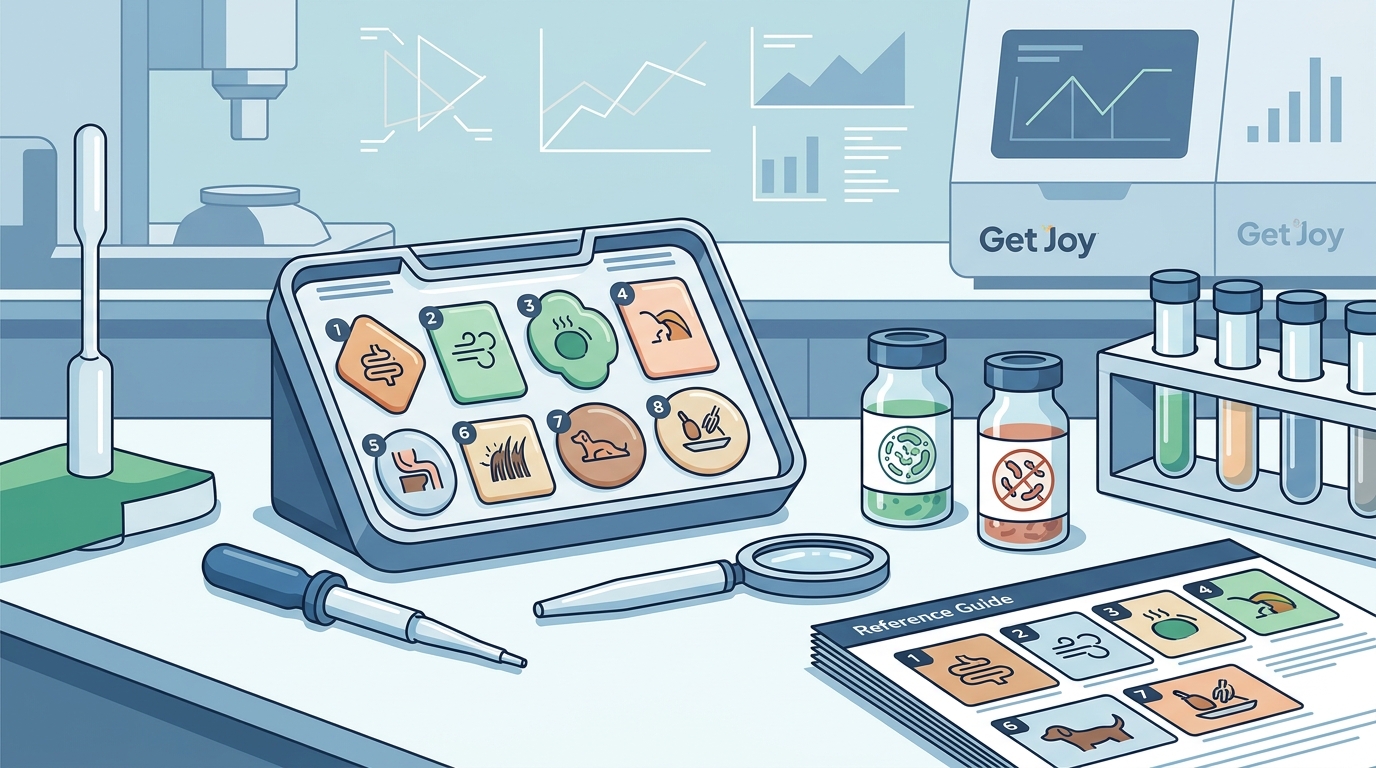
4. Unexplained Weight Loss
If your dog is eating normally but losing weight, their gut may be failing to absorb nutrients. This condition, known as malabsorption, means that calories and essential vitamins are passing through the system unutilized. It is a serious indicator that the digestive tract is compromised.
5. Lethargy and Low Energy
Digestion requires significant energy. When the gut is inflamed or infected, the body diverts resources to fight the issue rather than supporting active movement. A dog that was once energetic but now seems tired or reluctant to exercise may be suffering from internal discomfort.
6. Itchy Skin and Hot Spots
There is a direct link between gut health and skin health, often referred to as the gut-skin axis. Food intolerances that irritate the gut lining can trigger systemic inflammation, which manifests as itchy skin, ear infections, or hot spots. Treating the skin without addressing the gut often yields temporary results only.
7. Bad Breath (Halitosis)
While some dog breath is unpleasant, a foul, rotten odor can indicate food rotting in the stomach or an overgrowth of harmful bacteria in the mouth and gut. This is often a sign of poor digestion or periodontal disease linked to internal health.
Common Causes of Digestive Distress
Understanding the root cause is essential for effective treatment. Several factors contribute to an unhealthy gut in dogs.
Dietary Intolerances
Many commercial dog foods contain fillers, artificial preservatives, and low-quality proteins that can irritate the digestive tract. Common allergens include corn, wheat, soy, and certain animal by-products. These ingredients can trigger immune responses that damage the gut lining over time.
Antibiotic Use
While antibiotics are necessary for treating bacterial infections, they also kill beneficial gut bacteria. This disruption of the microbiome can lead to long-term digestive issues if not properly managed with probiotics or prebiotics.
Sudden Diet Changes
Switching dog food too quickly can shock the digestive system. A gradual transition over 7 to 10 days is recommended to allow gut bacteria to adapt to new ingredients.
How Vets Diagnose Gut Health Issues
Diagnosing gut health issues involves a combination of physical exams and diagnostic tests. Vets may perform blood work to check for organ function and inflammation markers. Fecal exams are used to rule out parasites or bacterial imbalances. In persistent cases, imaging such as ultrasounds may be necessary to visualize the intestinal walls.
At Get Joy, we emphasize the importance of preventive care through nutrition. Many gut issues can be managed or prevented by choosing high-quality, easily digestible foods that support the microbiome.
The Role of Nutrition in Gut Repair
Nutrition is the cornerstone of gut health. The right diet can heal the intestinal lining, restore bacterial balance, and improve overall immunity.
Freeze-Dried Raw Food Benefits
Freeze-dried raw food is a powerful tool for gut health. This process preserves the natural enzymes and nutrients found in raw meat, which are often destroyed by high-heat kibble manufacturing. These foods are highly digestible and gentle on the stomach.
Our Freeze Dried Raw Meals are designed to mimic a biologically appropriate diet. They contain essential organ meats that provide natural probiotics and prebiotics. This approach supports a healthy gut microbiome, reducing the likelihood of digestive upset.
Superfood Treats for Digestion
In addition to main meals, incorporating Superfood Beef Organ Treats can provide targeted nutritional support. These treats are rich in vitamins and minerals that aid in tissue repair and immune function. They are an excellent way to supplement your dog's diet without adding unnecessary fillers.
Freeze-Dried vs. Traditional Kibble
Choosing the right food format is critical for dogs with sensitive stomachs. Below is a comparison of freeze-dried raw food versus traditional kibble.
| Feature | Freeze-Dried Raw Food | Traditional Kibble |
|---|---|---|
| Digestibility | High (preserves enzymes) | Variable (often lower) |
| Ingredient Quality | Whole meats and organs | Meals and by-products |
| Additives | Minimal to none | Preservatives and fillers |
| Gut Impact | Supports microbiome balance | May cause inflammation |
| Cost | Premium investment | Lower upfront cost |
While kibble is convenient, the long-term health costs of poor digestion can outweigh the savings. Investing in high-quality nutrition can reduce veterinary bills and improve your dog's quality of life.
Key Takeaways
- Chronic diarrhea, vomiting, and gas are primary indicators of gut imbalance.
- Unexplained weight loss and lethargy suggest malabsorption of nutrients.
- Skin issues like itching are often linked to internal gut inflammation.
- Dietary intolerances to fillers and artificial preservatives are common triggers.
- Freeze-dried raw food preserves natural enzymes that aid digestion.
- Trusted by 30,000+ happy pet parents for gut health support.
- Preventive nutrition is more effective than reactive veterinary treatment.
Frequently Asked Questions
How long does it take for a dog's gut to heal?
Gut healing timelines vary based on the severity of the issue. Mild cases may improve within a few weeks of dietary changes, while chronic conditions can take months to fully resolve. Consistency in feeding a gut-friendly diet is essential for recovery.
Can I switch my dog to freeze-dried food immediately?
It is best to transition gradually over 7 to 10 days. Sudden changes can cause temporary digestive upset. Start by mixing a small amount of the new food with the old food, gradually increasing the ratio each day.
What is the best probiotic for dogs?
Probiotics found in whole foods, such as organ meats and fermented ingredients, are often more effective than supplements. Our Superfood Beef Organ Treats provide natural probiotic support without artificial additives.
How do I know if my dog has a food allergy?
Food allergies often present as skin itching and digestive issues. An elimination diet under veterinary guidance is the gold standard for diagnosis. Removing common allergens like corn and wheat can help identify triggers.
Is freeze-dried raw food safe for puppies?
Yes, freeze-dried raw food is safe for puppies and can support their developing immune systems. It provides high-quality protein and nutrients essential for growth. Consult your vet for specific portion sizes based on your puppy's breed and age.
What are the signs of a healthy gut in dogs?
A healthy gut is indicated by firm, well-formed stools, consistent energy levels, a shiny coat, and a healthy appetite. Dogs with balanced microbiomes also show fewer instances of gas and vomiting.
Can gut health affect my dog's behavior?
Yes, the gut-brain axis means that digestive discomfort can lead to anxiety, irritability, or restlessness. Improving gut health often results in a calmer, more balanced temperament.
Next Steps for Your Dog's Health
If you suspect your dog has an unhealthy gut, do not wait for symptoms to worsen. Early intervention through dietary changes can prevent chronic health issues. Explore our range of Freeze Dried Raw Meals to find the perfect diet for your pet. Visit our Dog Food Blog for more expert advice on nutrition and wellness. Take the first step toward a healthier, happier dog today by shopping our full collection.