
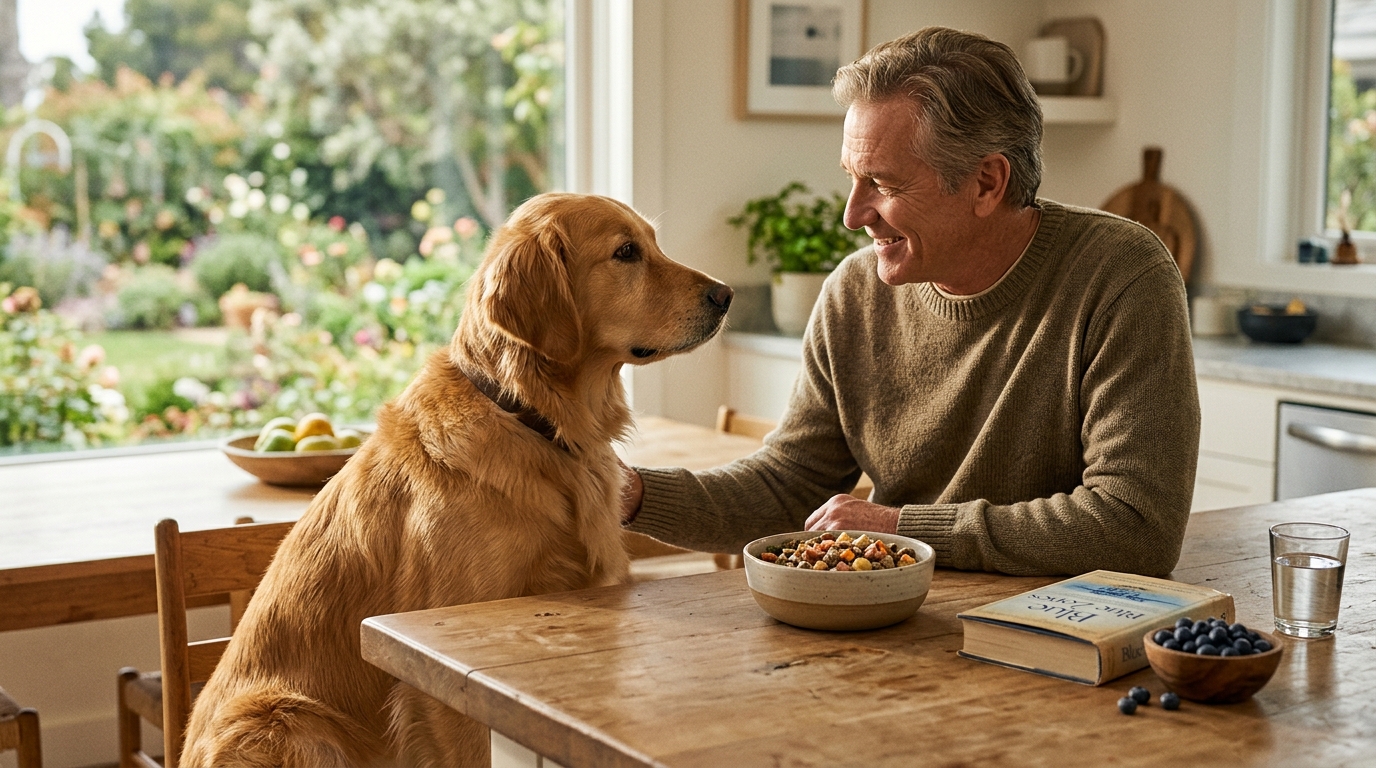
Canine life expectancy has shifted dramatically over the last century. While dogs once averaged a lifespan of just seven years, modern veterinary science and nutritional advancements have pushed that average significantly higher. According to recent demographic studies on pet longevity, the average lifespan of a domestic dog now ranges from 10 to 13 years, depending heavily on breed and size. This increase is not accidental. It is the result of deliberate choices regarding nutrition, movement, and environmental stress reduction. As pet owners increasingly look to human longevity trends for inspiration, a critical question emerges: can the principles of human Blue Zones, regions where people live the longest, be effectively translated to our canine companions? (Shop All Dog Food)
Understanding Canine Aging Patterns
Before applying external frameworks, we must understand the biological reality of dog aging. Dogs age much faster than humans. The common rule of thumb that one dog year equals seven human years is scientifically inaccurate. A more precise model suggests that the first two years of a dog's life account for approximately 24 human years, after which aging slows down. Small breeds tend to live longer than large breeds, often reaching 15 years or more, while giant breeds may only live 8 to 10 years. This disparity highlights the importance of breed-specific care strategies.
Longevity in dogs is not just about adding years to life, but adding life to years. This means maintaining mobility, cognitive function, and immune health well into their senior years. The primary drivers of premature aging in dogs are chronic inflammation, obesity, and lack of mental stimulation. Addressing these factors requires a holistic approach that mirrors the lifestyle habits found in the world's longest-living human populations.
Blue Zones Parallels in Dog Care
The concept of Blue Zones originated from the study of five regions where people live significantly longer than the global average. These regions include Okinawa in Japan, Sardinia in Italy, Nicoya in Costa Rica, Ikaria in Greece, and Loma Linda in California. Researchers identified common lifestyle factors among these populations: natural movement, plant-slant diets, strong social connections, and a sense of purpose. When we analyze these factors through the lens of canine biology, striking parallels emerge.
First, natural movement is a cornerstone of Blue Zone living. Humans in these regions do not rely on gyms; they walk, garden, and live in environments that necessitate physical activity. For dogs, this translates to regular, varied exercise that mimics their ancestral hunting and foraging behaviors. Second, the plant-slant diet is critical. While dogs are facultative carnivores, they thrive on diets rich in vegetables, fruits, and high-quality proteins. This aligns with the growing trend of incorporating fresh, whole foods into canine nutrition. Third, social connection and purpose are vital. Dogs are pack animals. Their mental health is deeply tied to their interaction with humans and other animals. Providing a structured routine and engaging activities gives them a sense of purpose, reducing stress and anxiety.
Finally, stress reduction is a key component of Blue Zone longevity. Chronic stress accelerates aging in both humans and dogs. In Blue Zones, strong community ties and spiritual practices provide a buffer against stress. For dogs, this means creating a calm home environment, minimizing loud noises, and ensuring they feel secure. By adopting these principles, pet owners can create a lifestyle that supports not just survival, but thriving.
The Nutritional Foundation for Longevity
Nutrition is perhaps the most impactful factor in determining a dog's lifespan. The modern pet food industry has long relied on highly processed kibble, which often contains fillers, preservatives, and low-quality proteins. However, emerging research suggests that fresh, biologically appropriate diets can significantly extend lifespan and improve quality of life. Freeze-dried raw food, for example, retains the natural enzymes and nutrients found in fresh meat, which are often destroyed during high-heat processing. This type of nutrition supports gut health, immune function, and energy levels.
Freeze-dried raw food is a method of preservation that removes moisture from fresh meat while keeping it raw, preserving its nutritional integrity. This approach allows pet owners to provide a diet that is close to what dogs would eat in the wild, without the risks associated with handling raw meat. The benefits include improved digestion, shinier coats, and healthier teeth. For dogs with sensitive stomachs or allergies, fresh and freeze-dried options offer a way to eliminate common allergens found in commercial kibble.
Hydration is another critical aspect of canine nutrition. Dogs often do not drink enough water, leading to chronic dehydration and kidney stress. Incorporating wet food or adding water to dry food can help maintain proper hydration levels. Additionally, incorporating superfoods like blueberries, spinach, and sweet potatoes can provide essential antioxidants that combat oxidative stress. These ingredients are often found in high-quality fresh meal formulations, offering a convenient way to boost nutritional intake.
Movement and Environmental Stress
Physical activity is non-negotiable for canine longevity. Just as Blue Zone humans move naturally throughout their day, dogs need consistent, moderate exercise. This does not mean intense, short bursts of activity, but rather steady, daily movement. Walking, playing fetch, and swimming are excellent ways to keep dogs active. The type and intensity of exercise should be tailored to the dog's breed, age, and health status. For example, senior dogs may benefit from shorter, more frequent walks rather than long, strenuous hikes.
Mental stimulation is equally important. Boredom can lead to destructive behaviors and anxiety. Puzzle toys, scent work, and training sessions provide mental challenges that keep the brain sharp. This is particularly important for aging dogs, as mental stimulation can help delay the onset of cognitive decline. Creating a stimulating environment at home, with new toys and activities, can keep dogs engaged and happy.
Environmental stressors also play a role in aging. Exposure to toxins, such as pesticides and heavy metals, can accelerate cellular damage. Choosing organic foods and avoiding products with harsh chemicals can reduce this burden. Additionally, maintaining a clean living space and providing fresh air are simple yet effective ways to support overall health. Regular veterinary check-ups are essential for early detection of health issues, allowing for timely intervention.
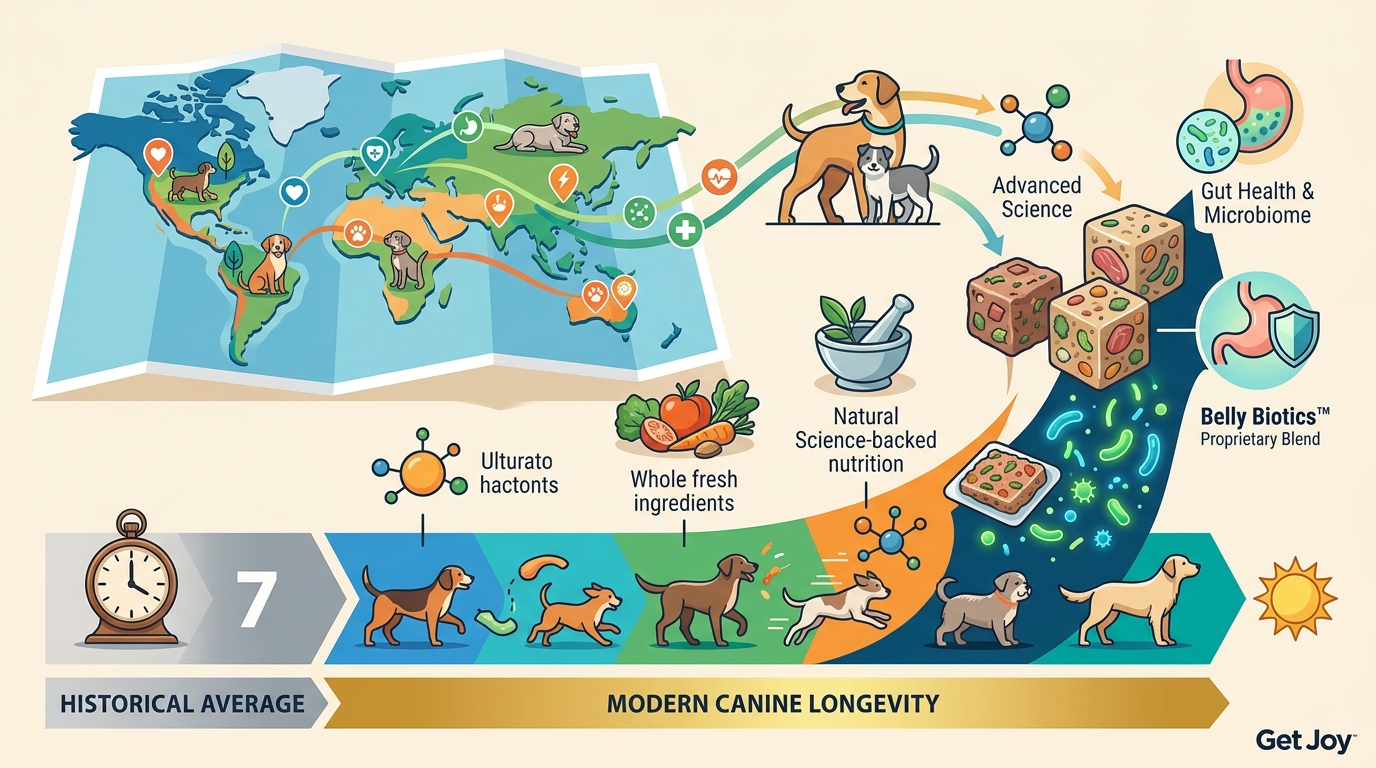
Comparing Dietary Models for Longevity
When considering how to feed a dog for longevity, it is helpful to compare different dietary models. Each has its pros and cons, and the best choice depends on the individual dog's needs and the owner's lifestyle. The table below outlines the key characteristics of common dietary approaches.
| Dietary Model | Primary Components | Pros for Longevity | Cons for Longevity |
|---|---|---|---|
| Commercial Kibble | Processed grains, meat by-products, preservatives | Convenient, affordable, shelf-stable | Low nutrient bioavailability, high carbohydrate load |
| Fresh Cooked Meals | Human-grade meats, vegetables, grains | High nutrient retention, customizable | Requires preparation, shorter shelf life |
| Freeze-Dried Raw | Dehydrated raw meat, organs, vegetables | Convenient raw nutrition, high palatability | Higher cost, requires rehydration |
| Raw Meat Diet | Fresh raw meat, bones, organs | Maximum nutrient retention, natural diet | Bacterial risk, difficult to balance |
Freeze-dried raw food offers a compelling middle ground. It provides the nutritional benefits of a raw diet without the logistical challenges of handling fresh raw meat. It is easy to store, transport, and serve. For busy pet owners, this convenience can make a significant difference in consistency. Consistency in diet and routine is key to reducing stress and supporting digestive health. By choosing a high-quality freeze-dried option, owners can ensure their dogs receive a balanced, nutrient-dense diet that supports long-term health.
Key Takeaways
- Dogs age rapidly, with the first two years equating to roughly 24 human years, making early nutrition critical.
- Blue Zone principles, including natural movement and plant-slant diets, have direct parallels in canine care.
- Chronic inflammation and obesity are primary drivers of premature aging in dogs.
- Freeze-dried raw food preserves enzymes and nutrients often lost in high-heat processing.
- Mental stimulation through puzzle toys and training helps delay cognitive decline in senior dogs.
- Hydration is often overlooked but is essential for kidney health and overall vitality.
- Consistent veterinary care and early detection of health issues are vital for extending lifespan.
Frequently Asked Questions
Do Blue Zones principles really apply to dogs?
Yes, the core principles of Blue Zones, such as natural movement, stress reduction, and nutrient-dense diets, are biologically relevant to dogs. While dogs are not humans, the physiological mechanisms of aging and health are similar. Applying these principles can lead to significant improvements in longevity and quality of life.
Is freeze-dried raw food better than kibble for longevity?
Freeze-dried raw food generally offers higher nutrient bioavailability and fewer fillers than commercial kibble. This can lead to better gut health, improved energy levels, and a stronger immune system. However, the best diet depends on the individual dog's needs and tolerance.
How much exercise do dogs need to live longer?
Dogs need regular, moderate exercise tailored to their breed and age. Most dogs benefit from at least 30 to 60 minutes of physical activity daily. This can include walking, playing, and mental stimulation activities. Consistency is more important than intensity.
What are the best superfoods for dog longevity?
Superfoods like blueberries, spinach, sweet potatoes, and salmon are excellent for dogs. They provide antioxidants, vitamins, and omega-3 fatty acids that combat inflammation and support heart health. These ingredients are often found in high-quality fresh and freeze-dried dog foods.
Can I switch my dog to a fresh diet without issues?
Switching diets should be done gradually to avoid digestive upset. Start by mixing a small amount of the new food with the old food, and slowly increase the ratio over 7 to 10 days. Monitor your dog's stool and energy levels during the transition.
How does stress affect a dog's lifespan?
Chronic stress leads to elevated cortisol levels, which can suppress the immune system and increase inflammation. This accelerates aging and increases the risk of disease. Providing a calm environment and strong social bonds helps mitigate stress and supports longevity.
What is the average lifespan of a dog on a fresh diet?
While individual results vary, dogs on fresh, biologically appropriate diets often live longer and healthier lives than those on commercial kibble. Many owners report their dogs living well into their teens, with improved vitality and fewer age-related illnesses.
Start Your Dog's Longevity Journey Today
Understanding the keys to dog longevity and applying Blue Zone principles can transform your pet's life. By prioritizing fresh nutrition, natural movement, and stress reduction, you can help your dog thrive for years to come. Explore our range of freeze-dried raw meals designed to support gut health and overall vitality. Visit our Our Story page to learn more about our commitment to premium pet nutrition. Shop our full collection today and give your dog the gift of a longer, healthier life.