

Modern veterinary science increasingly recognizes that standard commercial diets often fail to address the root causes of canine health issues. According to recent industry data, over 80% of dogs suffer from some form of digestive sensitivity or nutrient deficiency by the time they reach middle age. This statistic highlights a critical gap in traditional pet nutrition. Many owners feed their pets without understanding the biological impact of their choices. The difference between regular dog food and truly functional nutrition is not just marketing. It is a fundamental shift in how we approach canine longevity and vitality.
Defining Functional Nutrition
To understand the shift in pet care, we must first establish clear definitions. Functional nutrition is a holistic approach to pet health that focuses on using food as a primary tool for disease prevention and management. Unlike standard diets that simply meet minimum caloric requirements, functional diets are designed to optimize specific biological pathways. This means every ingredient serves a purpose beyond basic sustenance.
Regular dog food, by contrast, is often formulated around cost-efficiency and shelf stability. While it may satisfy the basic macronutrient needs of a dog, it frequently lacks the micronutrient density required for optimal cellular function. The gap between these two approaches becomes evident when you look at the long-term health outcomes of dogs fed different diets. Functional nutrition prioritizes bioavailability, ensuring that the nutrients in the food are actually absorbed and utilized by the body.
Get Joy focuses heavily on this principle by utilizing freeze-dried raw meals. This method preserves the natural enzymatic profile of the ingredients. Enzymes are crucial for digestion. When food is heavily processed, these enzymes are often destroyed. By rehydrating freeze-dried food, you return those vital components to your dog's diet. This process supports a more natural digestive response. You can explore their gut health philosophy to understand how this approach differs from traditional kibble.
Ingredient Quality and Processing
The quality of ingredients is the most visible difference between functional and regular dog food. Regular diets often rely on rendered meat by-products, fillers like corn and wheat, and artificial preservatives. These ingredients are cheap to produce and easy to source. However, they offer little nutritional value and can trigger inflammatory responses in sensitive dogs.
Functional nutrition demands transparency. It requires high-quality, human-grade proteins and organ meats. Organ meats are particularly important because they are nutrient-dense powerhouses. They contain high levels of vitamins A, D, E, and K, as well as essential minerals like iron and zinc. For example, Get Joy offers superfood beef organ treats that provide concentrated nutrition without the need for synthetic supplements.
Processing methods also play a critical role. High-heat extrusion, used to make traditional kibble, can degrade proteins and destroy vitamins. This is why many functional foods use freeze-drying or gentle dehydration. These methods retain up to 97% of the original nutrients. The result is a food that is more palatable and easier to digest. Dogs often show immediate improvements in energy levels and coat quality when switched to less processed options.
Consider the difference in protein sources. Regular food might list "meat meal" as the first ingredient. This is a concentrated form of meat, but the source is often unclear. Functional food lists specific proteins like "deboned beef" or "organic chicken." This clarity allows you to monitor your dog's reaction to specific ingredients. If your dog has allergies, this distinction is vital. You can learn more about managing dog allergies through diet by visiting our dedicated blog resources.
The Gut Health Connection
Gut health is the cornerstone of canine immunity. A significant portion of a dog's immune system resides in the gastrointestinal tract. When the gut microbiome is imbalanced, it can lead to a cascade of health issues, including skin problems, behavioral changes, and chronic fatigue. Regular dog food often contains prebiotics, but these are frequently synthetic and lack the diversity needed to support a robust microbiome.
Functional nutrition supports gut health through natural prebiotics and probiotics found in whole foods. Fermented ingredients and specific organ meats provide the necessary substrates for beneficial bacteria to thrive. This natural approach is far more effective than adding isolated compounds to a processed base. The goal is to create a diverse microbial environment that can adapt to changes in diet and environment.
Research indicates that dogs fed raw or minimally processed diets have significantly different gut microbiomes compared to those fed kibble. These differences often correlate with improved digestion and reduced stool volume. Smaller, firmer stools are a common sign that the body is absorbing more nutrients. This efficiency means you may need to feed less, which can offset the higher upfront cost of functional food. Explore our frequently asked questions to see how gut health impacts overall wellness.
How to Know If Your Dog Needs It
Recognizing the signs that your dog needs a dietary shift is the first step toward better health. Many symptoms of poor nutrition are subtle and easily overlooked. However, they often point to underlying issues that functional nutrition can address. Pay close attention to your dog's daily behavior and physical appearance.
Common signs include chronic ear infections, itchy skin, and poor coat quality. A dull, dry, or flaky coat often indicates a deficiency in essential fatty acids or protein. Regular dog food may contain fats, but they are often oxidized during processing. Functional foods preserve these fats in their natural state. This preservation ensures that your dog receives the anti-inflammatory benefits they need.
Another key indicator is energy levels. If your dog seems lethargic or struggles with exercise, their diet may not be providing adequate fuel. Blood sugar spikes and crashes from high-carbohydrate kibble can lead to erratic energy patterns. Functional diets with balanced protein and fat profiles provide sustained energy. You can also check out our current promotions to make the transition more affordable.
Digestive issues are perhaps the most obvious sign. Frequent gas, diarrhea, or vomiting suggests that the food is difficult to process. While some adjustment is normal when switching diets, persistent issues indicate a mismatch. If you suspect your dog has food sensitivities, a gradual transition to a limited ingredient or raw diet can help identify triggers. Our affiliate program also offers resources for pet professionals looking to educate their clients.
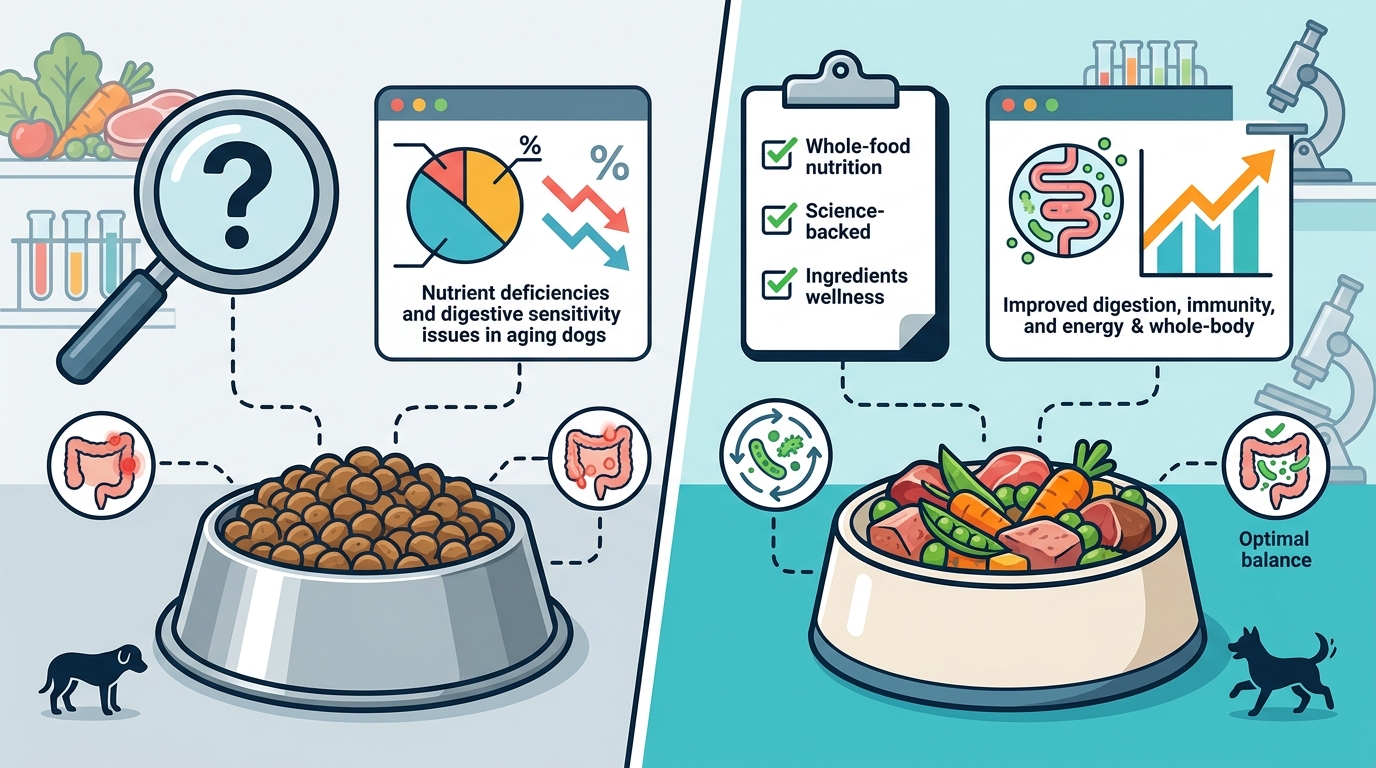
Functional vs. Regular Food Comparison
Understanding the practical differences can help you make an informed decision. The table below summarizes the key distinctions between traditional commercial diets and functional nutrition models.
| Feature | Regular Dog Food | Functional Nutrition |
|---|---|---|
| Primary Protein Source | Meat by-products, rendered meals | Human-grade deboned meat, organs |
| Processing Method | High-heat extrusion | Freeze-dried or gently dehydrated |
| Nutrient Retention | Low (often requires synthetic addition) | High (natural enzymatic profile preserved) |
| Gut Health Support | Synthetic prebiotics | Natural prebiotics from whole foods |
| Allergen Management | Difficult to isolate | Clear, traceable ingredients |
| Cost Efficiency | Lower upfront cost | Higher upfront, better absorption |
Key Takeaways
- Functional nutrition focuses on disease prevention through bioavailable, whole-food ingredients rather than just caloric sufficiency.
- Freeze-dried raw meals preserve up to 97% of natural nutrients, unlike high-heat processed kibble which degrades vital enzymes.
- Gut health is directly linked to immunity, and functional diets support a diverse microbiome through natural prebiotics.
- Signs your dog needs functional food include dull coats, chronic ear infections, and erratic energy levels.
- Organ meats provide concentrated sources of essential vitamins and minerals that are often lost in standard processing.
- While functional food has a higher upfront cost, improved nutrient absorption can lead to lower daily feeding volumes.
- Transitioning to functional nutrition should be gradual to allow your dog's digestive system to adapt.
Frequently Asked Questions
What is the main difference between kibble and freeze-dried raw food?
Kibble is heavily processed using high heat, which destroys natural enzymes and nutrients. Freeze-dried raw food is gently dehydrated to preserve its natural nutritional profile, making it more bioavailable for your dog.
How do I know if my dog has food sensitivities?
Common signs include chronic itching, ear infections, digestive upset, and poor coat quality. Keeping a food diary can help identify specific triggers when switching to a functional diet.
Is freeze-dried raw food safe for puppies?
Yes, functional nutrition is often beneficial for puppies due to their high nutrient needs for growth. However, it is important to choose formulas specifically designed for developmental stages.
Can I mix functional food with kibble?
While possible, it is generally recommended to transition fully to functional nutrition to maximize health benefits. Mixing can sometimes lead to digestive confusion for sensitive dogs.
How long does it take to see results from switching diets?
Many owners notice improvements in energy and digestion within two weeks. Long-term benefits like coat shine and immune support may take several months to fully manifest.
What are superfood organ treats?
These are concentrated sources of nutrients derived from beef organs like liver, heart, and kidney. They provide essential vitamins and minerals in a palatable, treat form.
Does Get Joy offer subscription discounts?
Yes, Get Joy offers significant discounts on subscription orders, including 50% off your first subscription order, to make functional nutrition more accessible.
Start Your Dog's Health Journey Today
Transitioning to functional nutrition is one of the most impactful decisions you can make for your dog's longevity. By choosing high-quality, bioavailable ingredients, you are investing in their future health. Get Joy is dedicated to providing premium freeze-dried raw meals that support gut health and overall vitality. Visit our main shop page to explore our full range of products and find the perfect diet for your pet.