

Canine gastrointestinal health is a critical component of overall vitality, yet it remains one of the most misunderstood aspects of pet care. Recent veterinary studies indicate that approximately 20% of dogs suffer from chronic digestive issues that stem from intestinal barrier dysfunction. This condition, often referred to as "leaky gut," allows toxins and undigested food particles to enter the bloodstream, triggering systemic inflammation and immune responses. Understanding the biological mechanisms behind this phenomenon is the first step toward protecting your dog's long-term health. (Shop All Dog Food)
What Is Leaky Gut in Dogs?
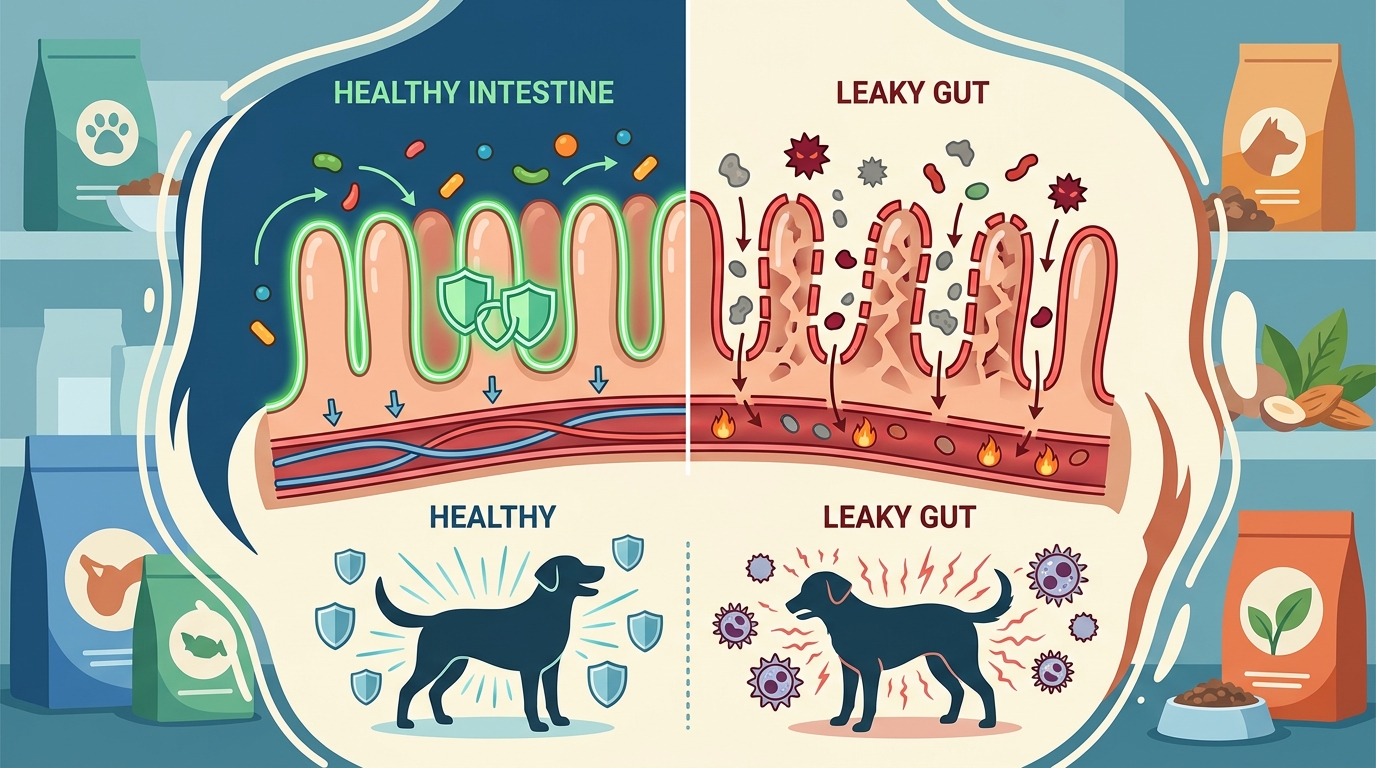
To understand this condition, we must first define the anatomy of the canine digestive tract. Leaky gut is a condition where the intestinal lining becomes compromised, allowing toxins to pass into the bloodstream. This process is medically known as increased intestinal permeability. The intestinal wall is lined with tight junctions, which act as gatekeepers. When these junctions loosen due to inflammation, stress, or poor diet, the barrier function fails.
Freeze-dried raw diets are increasingly recognized for their ability to support gut integrity. Unlike highly processed kibble, which can contain inflammatory fillers, raw nutrition provides bioavailable nutrients that help repair the mucosal lining. According to veterinary nutritionists, the absence of artificial preservatives in raw food reduces the inflammatory load on the digestive system.
When the gut barrier is compromised, the immune system reacts aggressively. This can lead to a cascade of health issues ranging from skin allergies to joint pain. The body perceives the leaked particles as foreign invaders, triggering an autoimmune response. This is why many dogs with chronic skin issues are often found to have underlying digestive problems.
Common Causes of Intestinal Permeability
Identifying the root cause is essential for effective prevention. Several factors contribute to the breakdown of the intestinal barrier in dogs.
Dietary Triggers
The most significant contributor to gut health issues is diet. Commercial dog foods often contain high levels of carbohydrates, fillers, and synthetic additives. These ingredients can disrupt the balance of the gut microbiome. Gut microbiome is the community of microorganisms living in the digestive tract. A healthy microbiome protects the intestinal lining, while an imbalanced one allows harmful bacteria to thrive.
Grain-free diets, while popular, have been linked to certain heart conditions in some breeds, though the connection to gut health is complex. However, the high starch content in many grain-free formulas can still feed harmful yeast and bacteria. Switching to a species-appropriate diet, such as freeze-dried raw, can help restore microbial balance.
Environmental Stress
Stress is a silent killer of gut health. The gut-brain axis is a bidirectional communication system between the central nervous system and the enteric nervous system. When a dog experiences chronic stress, the body releases cortisol, which can damage the intestinal lining. This is why dogs in high-stress environments, such as shelters or homes with frequent changes, are more prone to digestive issues.
Antibiotic Use
While antibiotics are necessary for treating bacterial infections, they are non-selective. They kill both harmful and beneficial bacteria. This drastic reduction in beneficial flora can leave the gut vulnerable to inflammation and permeability. Post-antibiotic recovery often requires careful dietary management to rebuild the microbiome.
Symptoms to Watch For
Leaky gut does not always present with obvious digestive distress. The symptoms can be systemic, making diagnosis challenging for pet owners. Recognizing these signs early can prevent long-term health complications.
- Chronic Diarrhea or Constipation: Irregular bowel movements are often the first sign of digestive imbalance.
- Skin Allergies: Itching, hot spots, and redness are common manifestations of food sensitivities and gut inflammation.
- Bad Breath: Persistent halitosis can indicate poor digestion and bacterial overgrowth in the gut.
- Weight Loss: Despite a normal appetite, the dog may struggle to absorb nutrients due to a compromised lining.
- Lethargy: Systemic inflammation can cause fatigue and a lack of energy.
According to the American Veterinary Medical Association, skin conditions are frequently linked to dietary intolerances. If your dog is scratching excessively, it is worth evaluating their gut health. The connection between the gut and the skin is direct, as the gut is responsible for processing nutrients that support skin integrity.
Prevention Strategies & Diet
Preventing leaky gut requires a proactive approach to nutrition and lifestyle. The goal is to support the gut barrier and maintain a healthy microbiome.
Raw Food Nutrition
Freeze-dried raw food is a powerful tool for gut health. The process of freeze-drying preserves the natural enzymes and nutrients found in raw meat. These enzymes aid in digestion, reducing the workload on the stomach and intestines. Freeze-dried raw food is a nutritionally complete diet that retains the benefits of raw meat without the risks of bacterial contamination.
Organ meats, such as liver and kidney, are rich in vitamins and minerals that support liver function and detoxification. The liver plays a crucial role in filtering toxins from the blood. By supporting liver health, you indirectly support gut health. Get Joy offers a range of superfood organ treats that can be used to supplement a dog's diet.
Probiotics and Prebiotics
Probiotics are live beneficial bacteria that help restore balance to the gut. Prebiotics are the food sources for these bacteria. Including both in your dog's diet can help strengthen the intestinal barrier. Natural sources of prebiotics include sweet potatoes and pumpkin, which are gentle on the stomach.
Stress Management
Creating a stable environment for your dog is essential. Regular exercise, mental stimulation, and consistent routines can reduce stress levels. Mindfulness practices for pet owners can also help, as dogs are highly attuned to their owner's emotional state.
Dietary Comparison for Gut Health
Choosing the right diet is the most impactful decision you can make for your dog's gut health. Below is a comparison of common dietary options.
| Diet Type | Gut Health Impact | Nutrient Bioavailability | Inflammatory Potential |
|---|---|---|---|
| Commercial Kibble | Low (High Processing) | Medium | High (Fillers/Additives) |
| Wet Canned Food | Medium | Medium-High | Medium |
| Freeze-Dried Raw | High (Enzyme Rich) | Very High | Low (Whole Foods) |
| Homemade Cooked | Medium (Depends on Recipe) | Medium | Low-Medium |
As shown in the table, freeze-dried raw diets offer superior nutrient bioavailability and lower inflammatory potential. This makes them an ideal choice for dogs with sensitive stomachs or existing gut issues. The convenience of freeze-dried food also makes it easier for owners to maintain a consistent diet, which is crucial for gut stability.
Key Takeaways
- Leaky gut is a condition where the intestinal barrier fails, allowing toxins into the bloodstream.
- Approximately 20% of dogs suffer from chronic digestive issues linked to gut health.
- Diet is the primary driver of gut health, with processed foods contributing to inflammation.
- Freeze-dried raw food preserves natural enzymes that aid digestion and support the gut lining.
- Skin allergies are often a symptom of underlying digestive problems.
- Stress and antibiotic use can significantly disrupt the gut microbiome.
- Probiotics and prebiotics are essential for maintaining a healthy gut environment.
Frequently Asked Questions
Can leaky gut in dogs be cured?
Yes, leaky gut can often be reversed with dietary changes and lifestyle adjustments. By removing inflammatory foods and introducing gut-healing nutrients, the intestinal lining can repair itself over time.
How long does it take for a dog's gut to heal?
The healing timeline varies depending on the severity of the condition. Generally, significant improvements can be seen within 4 to 8 weeks of consistent dietary management.
Is freeze-dried raw food safe for dogs with sensitive stomachs?
Yes, freeze-dried raw food is often recommended for dogs with sensitive stomachs because it is highly digestible and free from common allergens and fillers.
What are the best probiotics for dogs?
The best probiotics are those specifically formulated for canine digestive systems. Look for products containing strains like Lactobacillus and Bifidobacterium, which are known to support gut health.
Can stress cause leaky gut in dogs?
Yes, chronic stress can weaken the intestinal barrier by increasing cortisol levels, which damages the gut lining. Managing stress is a key part of preventing leaky gut.
How do I know if my dog has a food allergy?
Common signs include itching, ear infections, and digestive upset. An elimination diet under veterinary guidance is the most reliable way to identify food allergies.
What is the role of the liver in gut health?
The liver filters toxins from the blood. A healthy liver supports overall detoxification, reducing the burden on the gut and preventing systemic inflammation.
Start Your Dog's Healing Journey
Taking control of your dog's gut health is one of the most impactful things you can do for their longevity and happiness. By choosing high-quality, species-appropriate nutrition, you can prevent leaky gut and support a robust immune system. Explore our range of freeze-dried raw meals and superfood treats to begin the transition today. Visit our dog food blog for more expert advice on canine nutrition. Get Joy is dedicated to helping your pet thrive with premium, gut-friendly nutrition.