
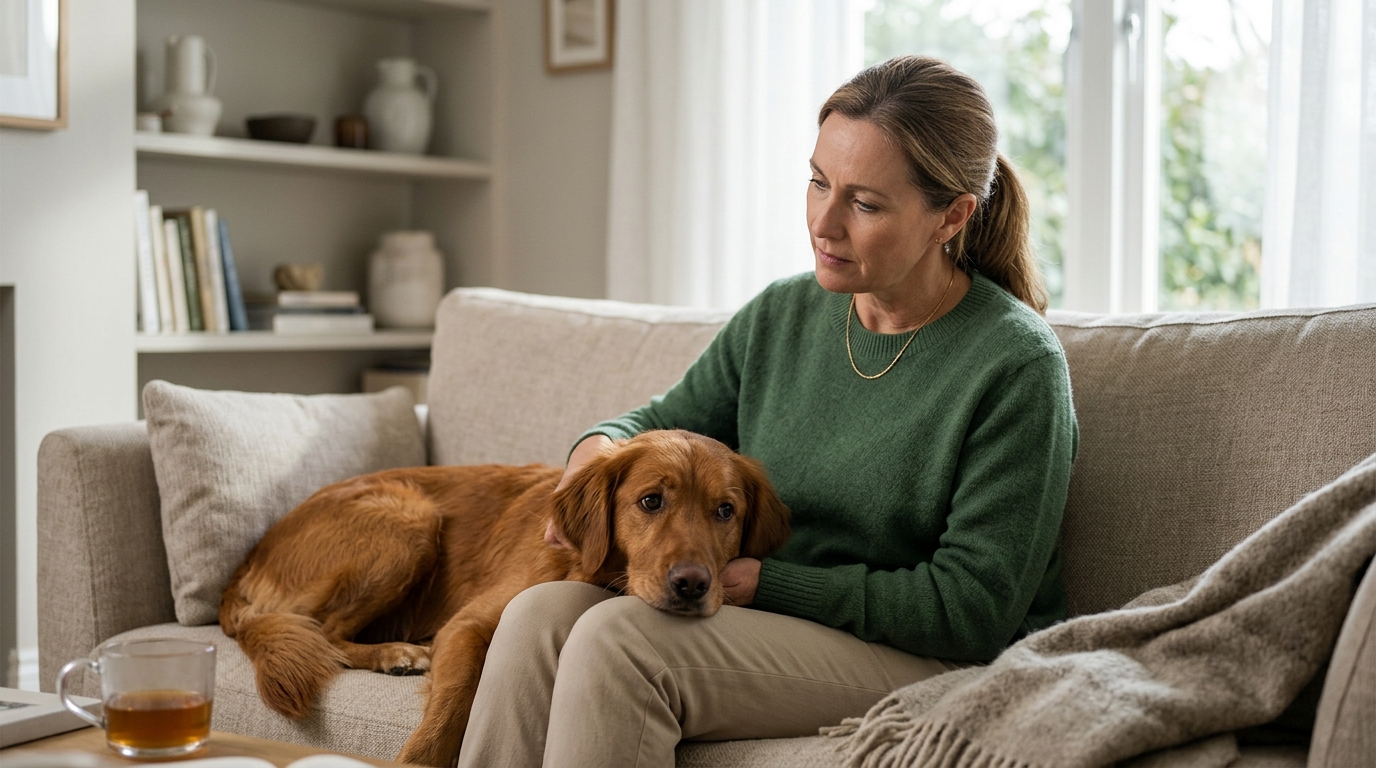
Digestive distress is one of the most common reasons pet owners seek veterinary care, yet the signs are often subtle until the condition worsens. Recent industry data indicates that gastrointestinal issues affect a significant percentage of dogs at some point in their lives, with diet being a primary driver. According to the American Veterinary Medical Association, digestive health is foundational to overall canine wellness, influencing everything from energy levels to immune response. Recognizing the early warning signs of gut imbalance is critical for preventing long-term health complications and ensuring your dog maintains a high quality of life. (Shop All Dog Food)
Digestive Symptoms and Irregularities
The most direct indicators of gut health issues manifest in your dog's bathroom habits. When the digestive tract is compromised, the consistency and frequency of stools change dramatically. Chronic diarrhea or loose stools are often the first red flags that the gut microbiome is out of balance. Conversely, constipation can also signal a lack of fiber or hydration issues linked to poor digestion.
Gas and bloating are other common symptoms. If your dog frequently passes gas with a foul odor, it suggests that food is not being broken down properly in the small intestine. This fermentation process creates excess gas that the body struggles to eliminate efficiently. Bloating, or a distended abdomen, can be more serious and may indicate a blockage or severe intolerance to certain ingredients.
Regurgitation or vomiting, especially if it occurs shortly after eating, points to upper gastrointestinal distress. This could be due to food allergies, rapid eating, or an underlying sensitivity to specific proteins or grains. Monitoring these patterns helps you identify triggers before they become chronic issues.
Skin, Coat, and Allergy Indicators
The gut and the skin are intimately connected through the gut-skin axis. When the gut lining is compromised, a condition often referred to as "leaky gut," toxins and undigested food particles can enter the bloodstream. This triggers an immune response that frequently manifests as skin irritation.
Excessive scratching, licking, or chewing at the paws, ears, or belly is a classic sign of food sensitivities rooted in gut health. These allergies are not just about comfort; they indicate systemic inflammation that can weaken the immune system over time. According to veterinary dermatology research, a large percentage of chronic skin conditions in dogs are linked to dietary intolerances rather than environmental factors alone.
A dull, dry, or flaky coat is another visible symptom. Healthy digestion is required to absorb essential fatty acids, vitamins, and minerals that promote a shiny, resilient coat. If your dog's fur loses its luster despite regular grooming, it may be failing to absorb nutrients from their current diet. This malabsorption is a clear signal that the gut is struggling to process the food it is consuming.
Behavioral and Energy Shifts
Behavioral changes are often overlooked as signs of physical discomfort. Dogs are masters at hiding pain, but digestive distress can lead to noticeable shifts in mood and activity levels. A dog with an unhealthy gut may become lethargic, less interested in play, or reluctant to go on walks.
Appetite changes are also significant. Some dogs may lose interest in food entirely, while others may exhibit pica, or the urge to eat non-food items like grass, dirt, or feces. This behavior is often an instinctive attempt to soothe an upset stomach or replenish missing nutrients. According to behavioral studies, pica can be a symptom of nutritional deficiencies or gastrointestinal discomfort.
Restlessness or difficulty sleeping can also indicate abdominal pain. If your dog frequently shifts positions, whines, or seems unable to get comfortable, it may be experiencing cramping or gas pain. These subtle cues require attentive observation to catch early before they escalate into more severe health issues.
Dietary Interventions and Nutrition
Addressing gut health often requires a strategic shift in diet. Traditional kibble, while convenient, can sometimes contribute to digestive issues due to high carbohydrate content and processing methods that destroy natural enzymes. Many pet owners are turning to alternative nutrition models that prioritize digestibility and nutrient density.
Freeze-dried raw food has gained popularity for its ability to preserve natural nutrients without the need for preservatives. This method of preparation maintains the integrity of proteins and fats, making them easier for dogs to digest. According to nutritional science, raw diets can significantly improve stool quality and reduce allergic reactions in sensitive dogs.
Adding supplements like probiotics or digestive enzymes can also support gut recovery. Probiotics introduce beneficial bacteria to the microbiome, helping to restore balance after a period of distress. Enzymes aid in the breakdown of food, reducing the workload on the digestive system. At Get Joy, we focus on superfood organ treats and fresh meals designed to support these natural processes.
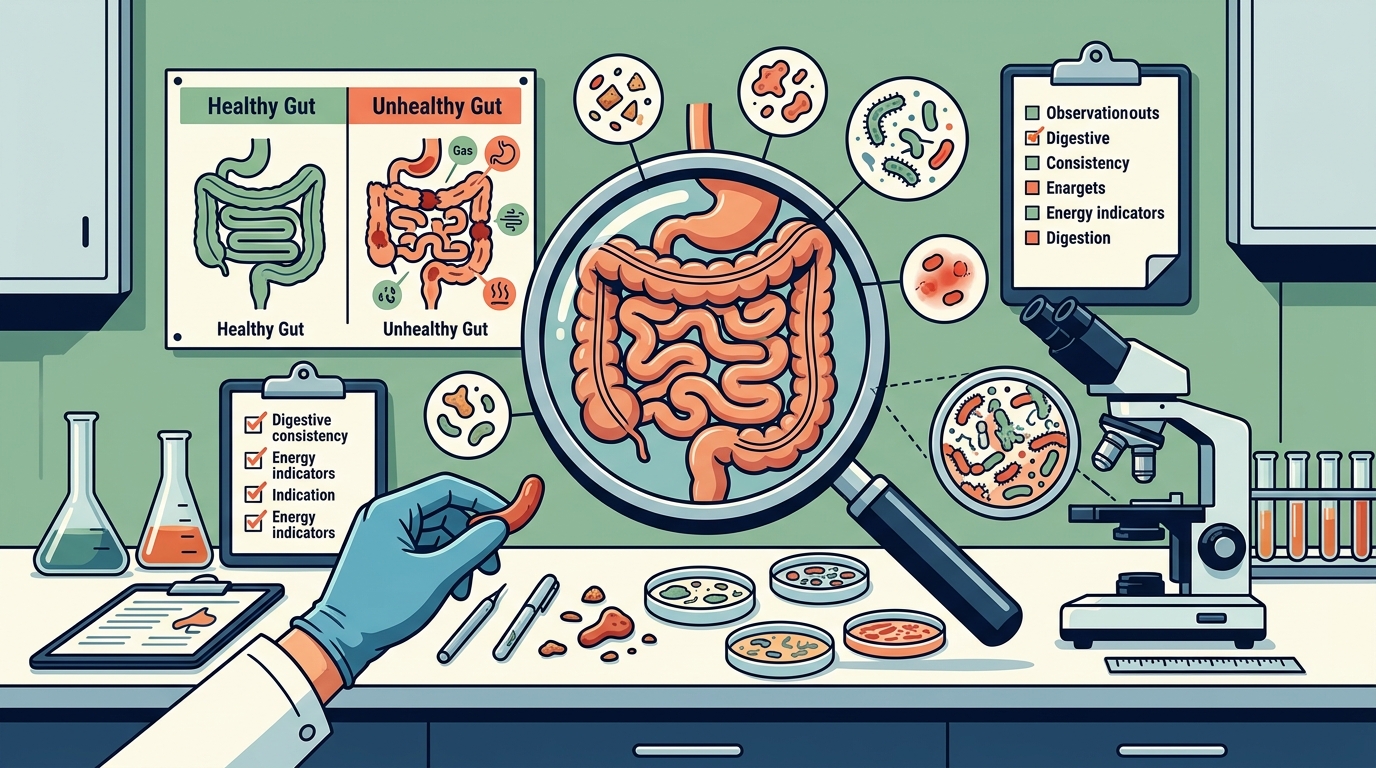
Comparing Food Types for Gut Health
Choosing the right food involves understanding the differences between various dietary options. Below is a comparison of common dog food types and their impact on gut health.
| Food Type | Digestibility | Gut Health Impact | Nutrient Retention |
|---|---|---|---|
| Standard Kibble | Low to Medium | Can cause inflammation due to processing | Low, often requires synthetic vitamin addition |
| Fresh Cooked | Medium | Good for sensitive stomachs if balanced | Medium, some heat-sensitive nutrients lost |
| Freeze-Dried Raw | High | Supports microbiome diversity | High, preserves natural enzymes and nutrients |
| Dehydrated Raw | High | Convenient alternative to fresh raw | High, minimal nutrient loss |
Freeze-dried options, such as those available at Get Joy, offer a practical way to introduce raw nutrition without the mess. These products often include superfood ingredients like beef organs, which are rich in natural enzymes and vitamins that support gut lining repair.
Key Takeaways
- Chronic diarrhea, gas, and bloating are primary indicators of digestive distress in dogs.
- Skin allergies and dull coats are often linked to poor nutrient absorption from an unhealthy gut.
- Behavioral changes like lethargy or pica can signal underlying gastrointestinal pain or deficiency.
- Freeze-dried raw food preserves natural enzymes that aid in digestion and nutrient uptake.
- Probiotics and superfood organ treats can help restore gut microbiome balance.
- Monitoring stool quality is a simple yet effective way to track digestive health improvements.
- Consulting a veterinarian is essential before making significant dietary changes.
Frequently Asked Questions
What are the first signs of an unhealthy gut in dogs?
The earliest signs often include changes in stool consistency, such as diarrhea or soft stools, along with increased gas and bloating. You may also notice your dog scratching more than usual due to skin irritation.
Can freeze-dried raw food help with dog gut health?
Yes, freeze-dried raw food is highly digestible and retains natural enzymes that support gut function. It provides nutrient-dense ingredients that can help repair the gut lining and improve overall digestion.
How long does it take for a dog's gut to heal?
The timeline varies depending on the severity of the issue and the diet change. Many owners see improvements in stool quality within a few weeks of switching to a more digestible diet like freeze-dried raw.
What is the best diet for dogs with sensitive stomachs?
Dogs with sensitive stomachs often benefit from limited ingredient diets or freeze-dried raw meals that minimize processing and include easily digestible proteins like beef or lamb.
Do probiotics help dogs with gut issues?
Probiotics can be very effective in restoring the balance of beneficial bacteria in the gut. They are often used alongside dietary changes to speed up recovery from digestive distress.
How do I know if my dog is allergic to their food?
Food allergies in dogs typically manifest as skin issues, such as redness and itching, or chronic ear infections. Gastrointestinal symptoms like vomiting or diarrhea can also indicate a food intolerance.
Is it safe to switch my dog to raw food suddenly?
It is generally recommended to transition slowly over 7 to 10 days to avoid upsetting the stomach. This allows the gut microbiome to adjust to the new food sources gradually.
Start Your Dog's Gut Health Journey
Recognizing the signs of an unhealthy gut is the first step toward better health for your canine companion. By choosing high-quality, digestible nutrition, you can support your dog's natural defenses and improve their quality of life. Explore our range of freeze-dried raw meals and superfood treats designed to nourish your dog from the inside out. Visit Get Joy today to learn more about our mission to improve gut health through premium pet nutrition.