

Should I Give My Dog Probiotics Every Day?
Probiotics have gained popularity among pet parents for their potential health benefits. But, should you give your dog probiotics every day? And, what about prebiotics and postbiotics? Let's explore these microorganisms and their role in your dog's gut health. (Shop All Dog Food)
What Are Probiotics?
Probiotics are live bacteria and yeasts that provide health benefits when consumed, primarily by improving or restoring the gut microbiota. (Summer of Joy Sale)
What Are Prebiotics?
Prebiotics are non-digestible fiber compounds that serve as food for probiotics. They promote the growth and activity of beneficial bacteria in the gut. (Freeze Dried Raw Dog)
What Are Postbiotics?
Postbiotics are the metabolic byproducts of probiotics. They include short-chain fatty acids, peptides, and other compounds that contribute to gut health and overall wellbeing. (Your Shopping Cart Get)
Benefits of Probiotics for Dogs
Probiotics can help:
- Maintain a healthy gut microbiome
- Support digestive health
- Boost the immune system
- Reduce inflammation
- Improve skin and coat health
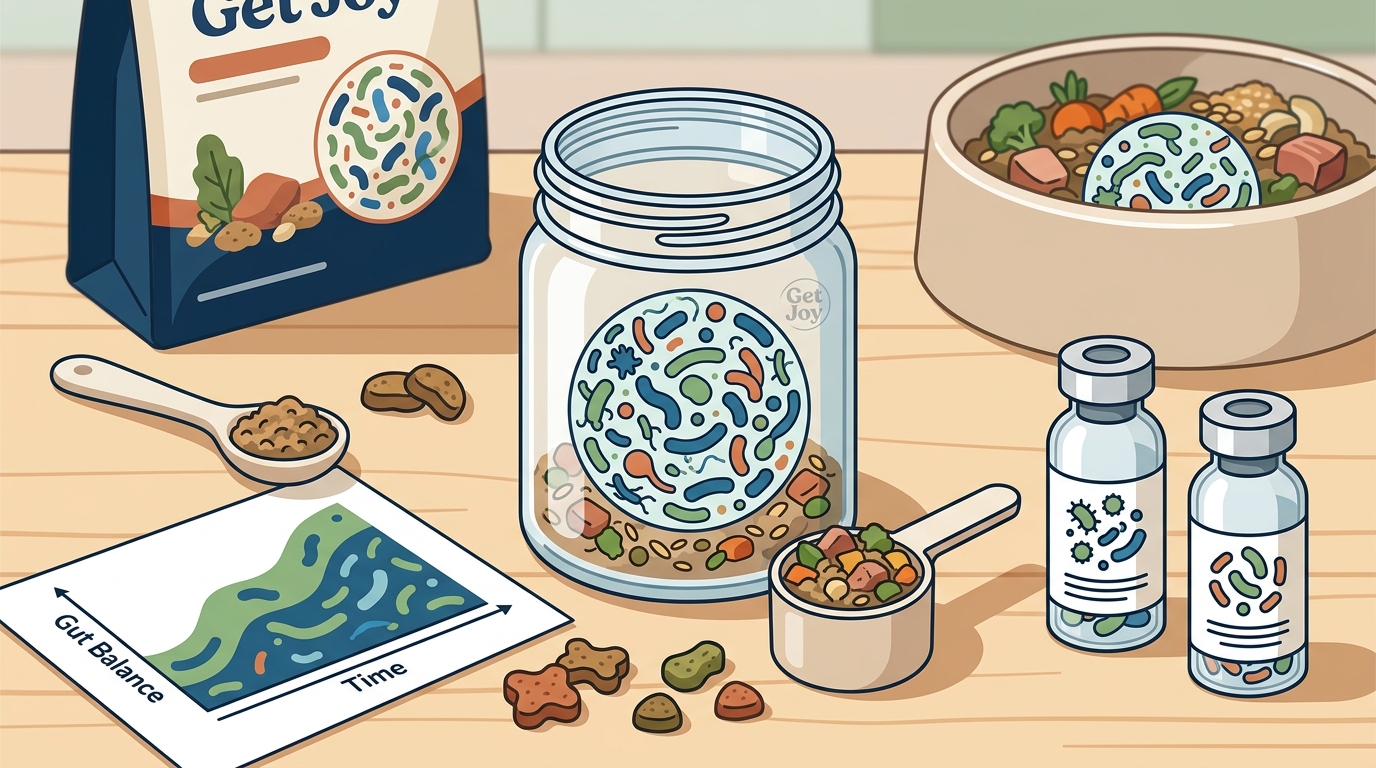
When to Give Probiotics to Dogs
Consult your veterinarian for personalized advice, but probiotics can be given daily as a preventative measure or during and after treatment for:
- Antibiotic therapy
- Gastrointestinal issues
- Allergies
- Stress
Prebiotics for Dogs
Prebiotics can be found in:
- Raw fruits and vegetables
- Specialized pet foods
Postbiotics for Dogs
Postbiotics can be found in:
- Fermented foods
- Supplements
Conclusion
Probiotics, prebiotics, and postbiotics all play essential roles in your dog's gut health. Consult your veterinarian for personalized recommendations and consider incorporating these microorganisms into your dog's diet for optimal wellbeing.
FAQ
-
What are the best probiotic strains for dogs?
Some common probiotic strains for dogs include Lactobacillus acidophilus, Lactobacillus plantarum, Bifidobacterium animalis, and Bifidobacterium bifidum.
-
Can I give my dog human probiotics?
Yes, but consult your veterinarian first as human probiotics may not be suitable for dogs.
-
What foods contain prebiotics for dogs?
Raw fruits and vegetables, such as bananas, apples, and carrots, can provide prebiotics for dogs. Specialized pet foods may also contain prebiotics.
-
What are the side effects of probiotics for dogs?
Side effects of probiotics for dogs may include diarrhea, bloating, and gas. Consult your veterinarian if you notice any adverse reactions.