
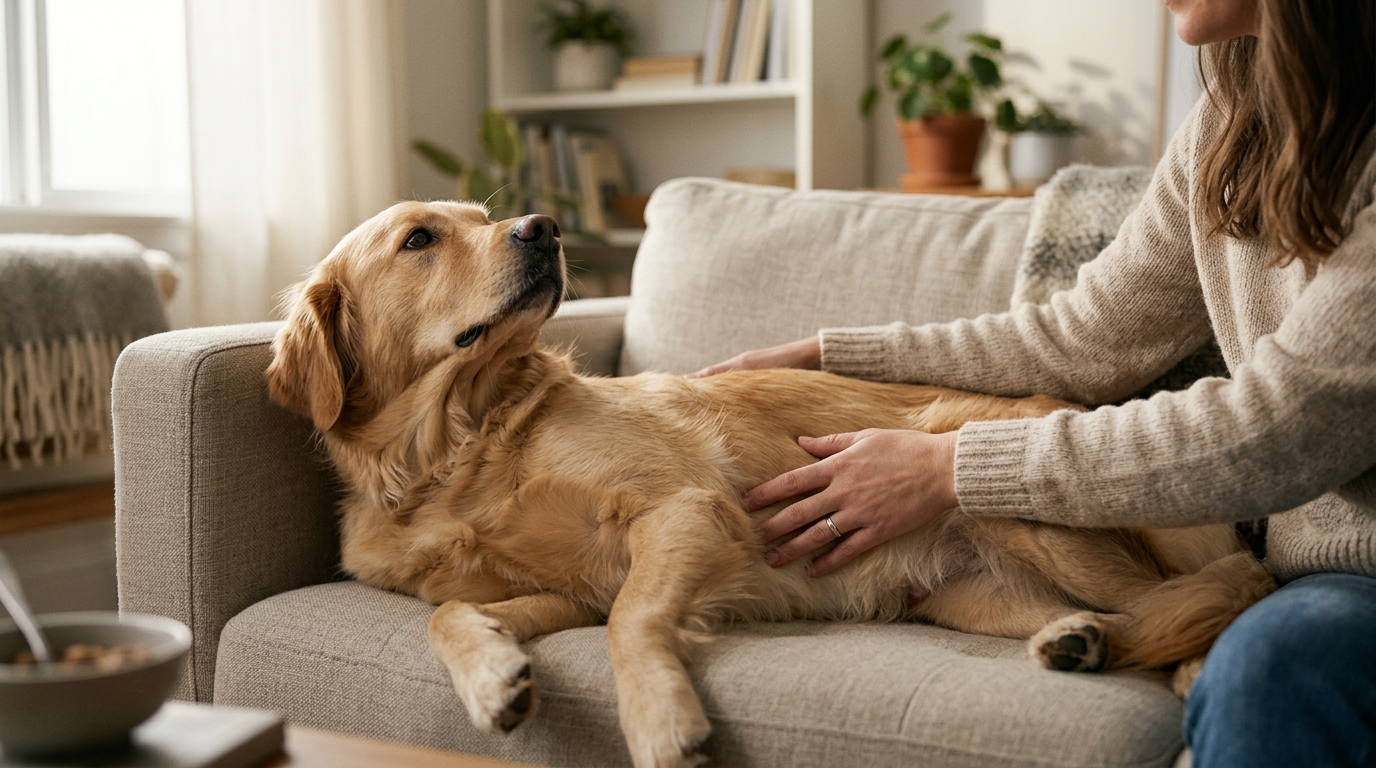
At Get Joy, we're passionate about helping pets live their best lives. In this tutorial, we'll discuss common signs of an unhealthy gut in dogs and provide actionable tips for supporting their digestive health. (Shop All Dog Food)
Table of Contents:
- Common Signs of Unhealthy Gut in Dogs (Freeze Dried Raw Dog)
- Common Causes of Unhealthy Gut in Dogs (Your Shopping Cart Get)
- Preventing Unhealthy Gut in Dogs
- FAQs About Dog Gut Health
Common Signs of Unhealthy Gut in Dogs
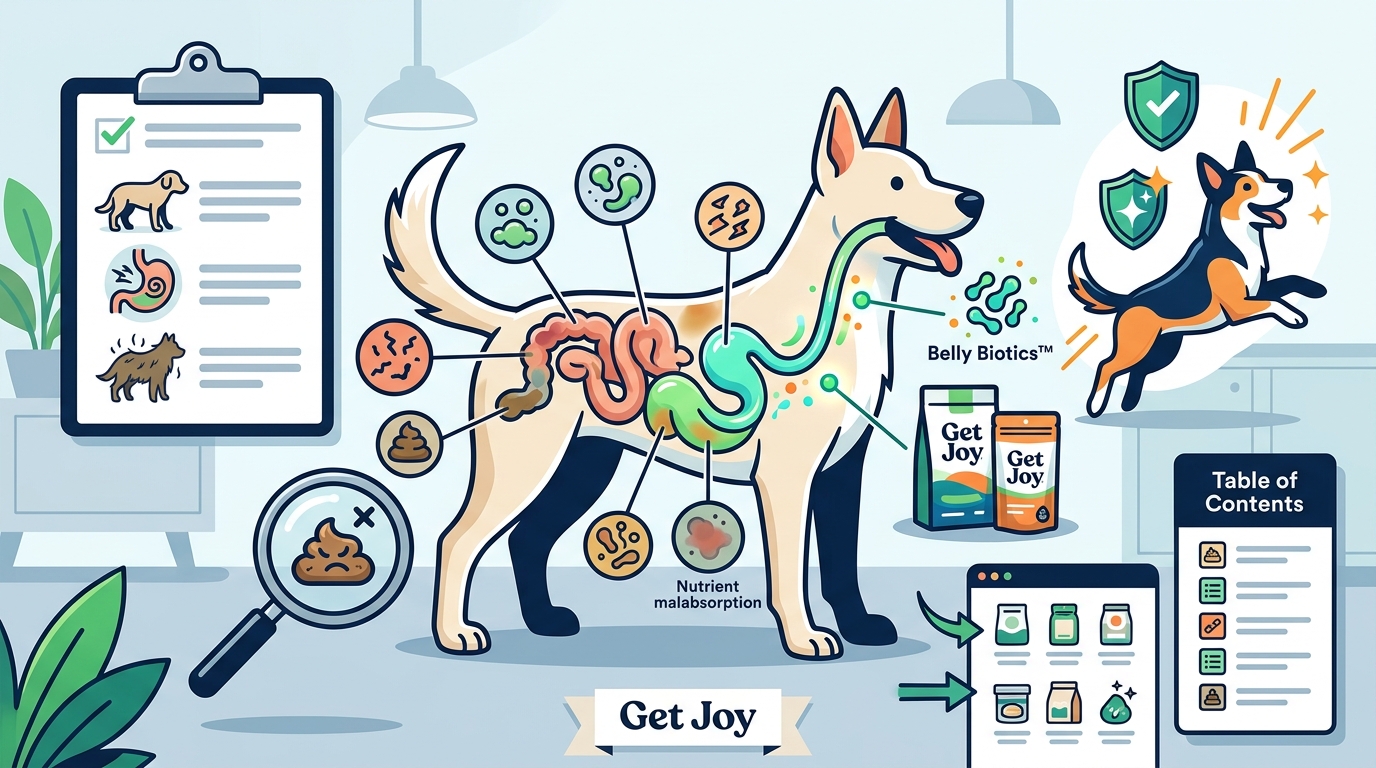
Some of the most common signs of an unhealthy gut in dogs include:
- Frequent diarrhea or constipation
- Excessive gas or bloating
- Loss of appetite or decreased food intake
- Weight loss or failure to gain weight
- Changes in stool color, consistency, or odor
- Frequent vomiting
- Skin problems, such as itching, rashes, or hot spots
If you notice any of these symptoms in your dog, it's important to consult with a veterinarian to rule out any underlying health conditions.
Common Causes of Unhealthy Gut in Dogs
There are several factors that can contribute to an unhealthy gut in dogs:
- Dietary imbalances or food sensitivities
- Stress or anxiety
- Parasites or bacterial infections
- Chronic diseases, such as inflammatory bowel disease (IBD) or inflammatory bowel syndrome (IBS)
Understanding the root cause of your dog's gut issues is essential for effective treatment and prevention.
Preventing Unhealthy Gut in Dogs
Here are some tips for maintaining a healthy gut in dogs:
- Feed them a balanced, species-appropriate diet
- Provide plenty of fresh water
- Minimize stress and anxiety
- Regularly schedule vet check-ups
- Consider probiotics or prebiotics to support gut health
FAQs About Dog Gut Health
Q: What are some common causes of gut issues in dogs?
A: Common causes of gut issues in dogs include dietary imbalances, stress, parasites, bacterial infections, and chronic diseases like IBD and IBS.
Q: How can I tell if my dog has an unhealthy gut?
A: Common signs of an unhealthy gut in dogs include frequent diarrhea or constipation, excessive gas or bloating, loss of appetite, weight loss, and changes in stool color, consistency, or odor.
Q: What should I do if I suspect my dog has an unhealthy gut?
A: If you suspect your dog has an unhealthy gut, it's important to consult with a veterinarian to rule out any underlying health conditions and discuss appropriate treatment options.
Q: How can I support my dog's gut health?
A: Supporting your dog's gut health involves feeding them a balanced, species-appropriate diet, providing plenty of fresh water, minimizing stress and anxiety, and regularly scheduling vet check-ups.
Related Articles
For more information on dog gut health, check out the following articles:
- Gut Health for Dogs: A Get Joy Guide
- The Benefits of Raw Dog Food for Gut Health
- Probiotics for Dogs: What You Need to Know
Stay tuned to the Get Joy blog for more articles on dog health and wellness.