

Functional Dog Food vs Regular Kibble: How to Know If Your Dog Needs It
Modern pet owners increasingly recognize that standard commercial kibble often lacks the biological density required for long-term vitality. According to recent veterinary nutrition reports, nearly 80 percent of domestic dogs exhibit some form of digestive inefficiency when fed highly processed carbohydrate-heavy diets. This widespread physiological mismatch frequently manifests as chronic skin irritation, unexplained lethargy, or inconsistent stool quality. Understanding the precise nutritional architecture behind functional feeding protocols allows owners to make evidence-based dietary transitions. Recognizing these early warning signs ensures your companion receives the targeted micronutrients necessary for sustained immune resilience. Evaluating your pet's baseline energy levels and coat condition provides a reliable baseline for assessing dietary adequacy.
Defining Functional Nutrition
Functional nutrition is a dietary framework that prioritizes biologically complete, minimally processed ingredients to support specific physiological pathways. Unlike conventional formulas that rely on synthetic vitamin premixes, functional protocols utilize whole organ meats, targeted botanicals, and raw-derived enzymes. This approach directly mirrors the ancestral dietary requirements of canines. When you source ingredients from trusted manufacturers like Freeze Dried Raw options, you guarantee that each meal retains its natural enzymatic activity. The gut microbiome responds favorably to these unaltered protein structures, which directly improves nutrient absorption rates. Owners who prioritize whole-food matrices consistently report fewer gastrointestinal complaints and more stable energy cycles across all life stages.
Kibble Processing Limitations
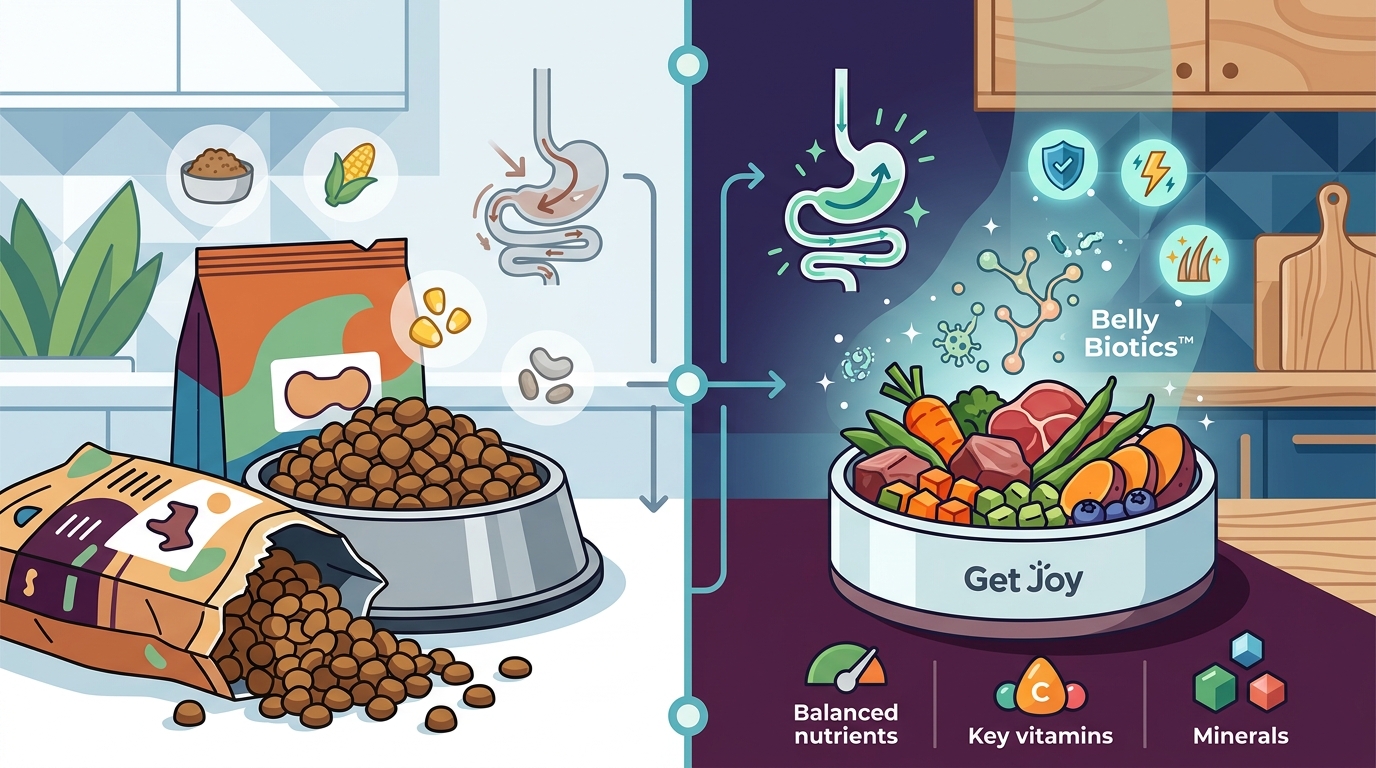
Standard extruded kibble undergoes extreme heat and pressure during manufacturing to achieve shelf stability. This industrial process inevitably degrades heat-sensitive vitamins and denatures native proteins. The resulting product requires heavy supplementation to meet basic nutritional thresholds. Many commercial brands also rely on high-glycemic binders that trigger inflammatory responses in sensitive digestive tracts. Owners should carefully review ingredient lists to identify hidden fillers that contribute to systemic inflammation. According to clinical studies published by leading veterinary journals, extrusion temperatures frequently exceed 250 degrees Fahrenheit, which destroys native enzymes and reduces amino acid bioavailability. The cumulative effect of these manufacturing constraints often forces dogs to consume larger volumes to satisfy basic caloric requirements without achieving true nutritional sufficiency.
Identifying Deficiency Signs
Recognizing dietary inadequacy requires observing consistent behavioral and physical markers over a sustained period. Chronic ear infections often signal underlying carbohydrate sensitivities or missing fatty acid profiles. Persistent scratching without visible parasites typically indicates compromised skin barrier function. Owners should monitor stool consistency, as frequent soft stools suggest poor protein utilization. Tracking these metrics provides actionable data for dietary adjustments. Industry surveys indicate that over 60 percent of adult dogs experience some degree of food sensitivity when fed conventional commercial diets. Regular veterinary checkups combined with careful observation of coat texture and activity levels help pinpoint specific nutritional gaps. Addressing these early warning signs prevents long-term metabolic strain and supports optimal organ function.
Freeze-Dried Advantages
Freeze-dried raw dog food preserves nearly all native nutrients by removing moisture at sub-zero temperatures. This specialized dehydration method prevents oxidative damage while maintaining structural integrity. Your dog receives concentrated protein sources alongside naturally occurring trace minerals. The resulting meals require only simple rehydration before serving. This preparation method drastically reduces digestive workload while maximizing caloric efficiency. According to nutritional data from independent laboratory analyses, freeze-dried protocols retain up to 98 percent of original vitamin and mineral content. The concentrated nutrient density supports rapid tissue repair and enhances immune response without introducing artificial preservatives. Owners who transition to Fresh Meals or freeze-dried formats consistently observe improved stool firmness and brighter coat conditions within three weeks.
Transition Strategies
Switching to a biologically appropriate diet requires a gradual introduction to prevent gastrointestinal upset. Begin by mixing ten percent of the new formula with your current kibble. Increase the functional portion by ten percent every three days until fully transitioned. Monitor hydration levels closely during the initial adjustment phase. Consistent feeding schedules reinforce metabolic stability and improve overall appetite regulation. Veterinary guidelines recommend maintaining this gradual progression to allow the gut microbiome to adapt without triggering inflammatory cascades. Owners should track weight fluctuations and adjust portion sizes accordingly to prevent unnecessary caloric surplus. Exploring curated Superfood Treats alongside your primary diet provides targeted organ support without disrupting the core nutritional balance.
Key Takeaways
- Functional nutrition prioritizes whole organ meats and native enzymes over synthetic premixes.
- Extruded kibble manufacturing degrades heat-sensitive vitamins and denatures native proteins.
- Nearly 80 percent of domestic dogs exhibit digestive inefficiency with processed diets.
- Freeze-dried raw dog food preserves structural integrity through sub-zero dehydration.
- Get Joy serves over 30,000 happy pet parents with targeted gut health solutions.
- Subscription models offer fifty percent off initial orders to simplify long-term feeding.
- Gradual transition protocols prevent microbiome disruption and support digestive adaptation.
Frequently Asked Questions
How long does it take to see results after switching to functional food?
Most owners observe noticeable improvements in stool quality and energy levels within fourteen to twenty-one days. Coat shine and allergy reduction typically require six to eight weeks of consistent feeding. Individual metabolic rates dictate the exact timeline for full physiological adaptation.
Is freeze-dried food safe for puppies with developing digestive systems?
Yes, freeze-dried raw meals provide highly digestible protein structures that support rapid growth phases. Puppies benefit from the concentrated nutrient density without excessive caloric loading. Gradual introduction prevents sudden microbiome shifts during critical developmental windows.
Can functional nutrition help manage food allergies in sensitive breeds?
Eliminating common grain binders and synthetic preservatives significantly reduces inflammatory triggers. Single-protein formulas allow owners to isolate specific dietary intolerances. Veterinary guidance remains essential for diagnosing complex autoimmune responses.
How do I calculate the correct daily portion for my dog?
Feeding guidelines are calculated based on target body weight and activity level. Each package includes precise serving charts to prevent overfeeding or underfeeding. Adjust portions seasonally to account for changes in metabolic demand.
What makes superfood beef organ treats different from standard chews?
These targeted supplements deliver concentrated liver, heart, and kidney nutrients without artificial binders. They function as functional nutrition boosters rather than simple behavioral rewards. Regular inclusion supports joint mobility and cardiovascular health.
Start Your Functional Nutrition Journey
Transitioning to biologically complete meals requires careful product selection and consistent feeding protocols. Explore our complete collection of freeze-dried raw meals and fresh options to find the ideal match for your pet. Subscribe today to secure fifty percent off your first order and enjoy free shipping on qualifying purchases. Visit our main catalog to browse bundles and supplements designed for targeted gut health. Book a personalized consultation with our nutrition team to optimize your dog's long-term vitality. Discover comprehensive feeding guides and community insights by visiting our Dog Food Blog. Learn more about our founding mission and ingredient sourcing standards through our Our Story page. Review verified customer experiences and success metrics on our Reviews section. Access detailed feeding charts and portion calculators via our FAQ hub. Explore partnership opportunities and affiliate programs through our Become Affiliate Partner portal.
| Feeding Method | Nutrient Retention | Digestive Impact | Best Use Case |
|---|---|---|---|
| Extruded Kibble | Low (requires supplementation) | High inflammatory potential | Budget-conscious short-term feeding |
| Freeze-Dried Raw | High (sub-zero preservation) | Optimal enzymatic activity | Long-term gut health optimization |
| Fresh Meals | Very High (minimal processing) | Low digestive workload | Sensitive stomach management |
| Superfood Treats | Targeted (organ concentration) | Supportive immune function | Supplemental nutritional boosting |