

Recent veterinary research indicates that approximately 70 percent of your dog's immune system resides within the gastrointestinal tract. According to the National Institutes of Health, maintaining a balanced microbial ecosystem directly influences nutrient absorption and long-term vitality. Many pet owners wonder whether daily supplementation is necessary or potentially counterproductive. The answer depends entirely on understanding how different microbial compounds interact with your dog's unique biology. This guide breaks down the science behind gut support, explains dosing protocols, and highlights how freeze-dried raw nutrition naturally supports microbial diversity. You will learn exactly when to introduce supplements and how to choose products that align with your dog's specific health goals.
Understanding Daily Probiotic Requirements
Probiotics are live microorganisms that provide documented health benefits when consumed in adequate amounts. Veterinary guidelines suggest that daily administration is generally safe for healthy adult dogs. However, dosage frequency should always match your dog's current health status. Puppies, senior dogs, and animals recovering from antibiotics often require adjusted protocols. Consistency matters more than volume. Introducing a steady stream of beneficial bacteria allows the gut lining to adapt without triggering digestive distress. You should always consult your veterinarian before starting a daily regimen, especially if your dog has preexisting conditions.
Prebiotics vs Probiotics vs Postbiotics
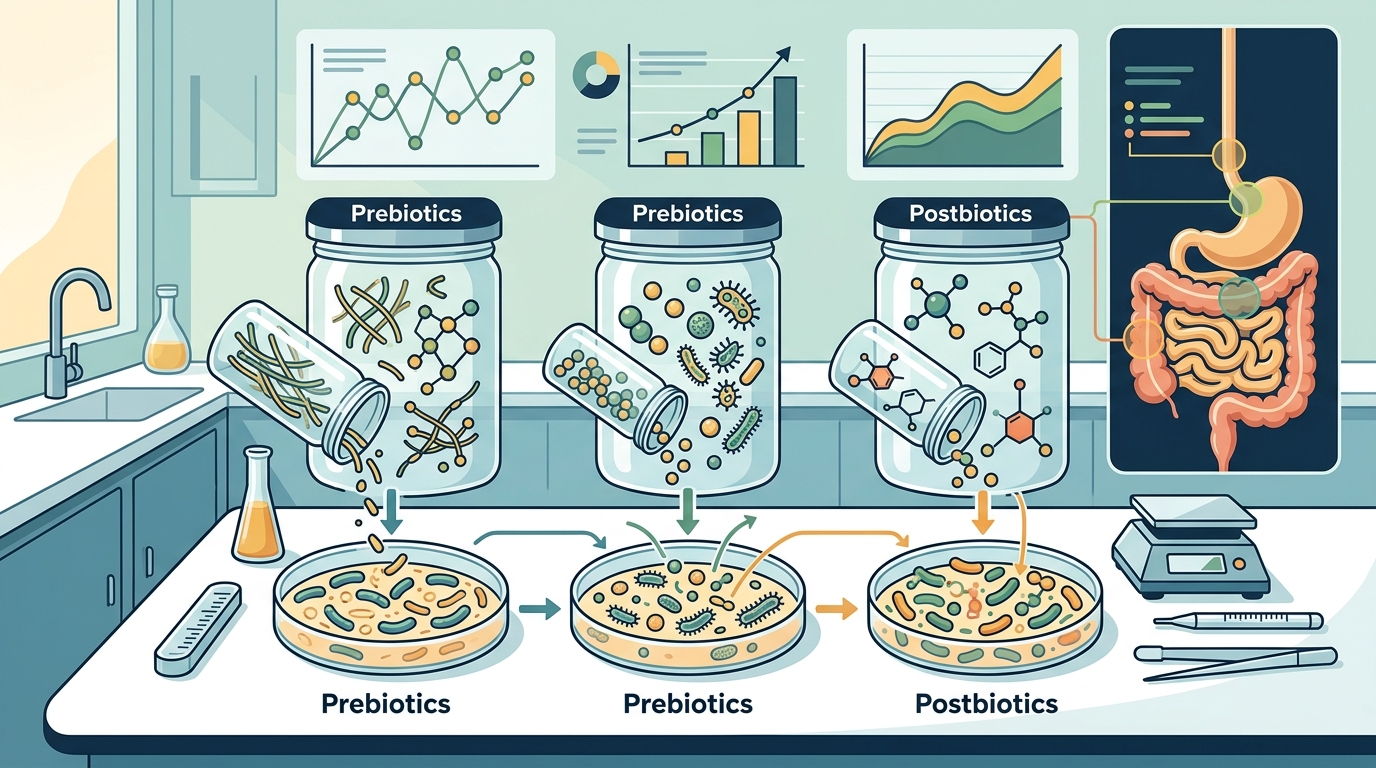
Prebiotics are non-digestible fibers that serve as food for beneficial gut bacteria. These compounds stimulate the growth of existing microbial colonies rather than introducing new organisms. Postbiotics are metabolic byproducts produced by beneficial bacteria during digestion. These compounds include short-chain fatty acids that directly nourish the intestinal wall. Understanding the distinction between these three categories helps you select supplements that actually deliver results. Probiotics add live organisms. Prebiotics feed existing organisms. Postbiotics provide the resulting nutrients that support tissue repair. Most high-quality dog foods combine all three elements to maximize absorption and minimize waste.
Why the Triad Matters for Canine Health
When these three components work together, they create a self-sustaining ecosystem inside the digestive tract. This synergy reduces inflammation and improves barrier function. Dogs that receive balanced microbial support typically exhibit shinier coats and more consistent energy levels. You can source these compounds through targeted supplements or through whole-food ingredients. Freeze-dried organ meats naturally contain postbiotic compounds and prebiotic fibers. This approach eliminates the need for synthetic additives while delivering bioavailable nutrients.
How Freeze-Dried Nutrition Supports Microbial Balance
Freeze-dried raw dog food preserves delicate enzymes and beneficial compounds through low-temperature dehydration. This process retains up to 98 percent of the original nutritional profile. According to the American Kennel Club, whole-food ingredients provide a more complete microbial foundation than isolated supplements. Beef organ treats contain natural prebiotic fibers that feed beneficial colonies. Freeze-dried beef meals deliver postbiotic metabolites that support intestinal lining integrity. Fresh meals offer highly digestible proteins that reduce fermentation stress. When you combine these products, you create a comprehensive gut support system without relying on artificial binders.
Practical Integration Strategies
You can mix freeze-dried organ treats into daily meals to boost microbial diversity. Subscribing to a fresh meal delivery service ensures consistent nutrient delivery. Many pet parents rotate between beef, heart, and liver options to prevent dietary fatigue. This rotation strategy mimics natural foraging patterns and keeps the gut microbiome adaptable. You should always transition new foods gradually over seven days to avoid digestive upset. The Superfood Beef Organ Treats collection offers kidney, heart, and liver varieties that support different physiological functions.
Choosing the Right Supplement Format
Supplement formats vary widely in bioavailability and shelf stability. Powdered probiotics require careful storage to maintain live culture viability. Capsule formats offer precise dosing but may contain unnecessary fillers. Liquid formulations absorb quickly but often lack long-term stability. Freeze-dried raw options provide the most natural delivery method for canine digestion. These products integrate seamlessly into existing meal routines without requiring special preparation. You can easily incorporate them into your current feeding schedule. The Freeze Dried Raw Meals collection delivers complete nutrition alongside microbial support. Subscription options often include significant discounts for long-term users. You can explore the Summer Of Joy Sale to access premium products at reduced pricing.
Evaluating Quality Markers
Always verify third-party testing results before purchasing supplements. Reputable manufacturers publish batch-specific lab reports online. Look for products that guarantee live culture counts through the expiration date. Avoid formulations containing artificial preservatives or synthetic binders. The Supplements category on our site features rigorously tested options that meet veterinary standards. You should prioritize transparency in sourcing and manufacturing processes.
Monitoring Your Dog's Response
Tracking improvements requires consistent observation over a four to six week period. You should document changes in stool consistency, energy levels, and coat quality. Digestive adjustments typically stabilize within ten days of consistent supplementation. Some dogs experience temporary gas or softer stools during the initial transition phase. This reaction usually indicates your gut microbiome is actively rebalancing. You can reduce the dosage temporarily if symptoms persist beyond two weeks. The Dog Food Blog provides detailed transition guides and troubleshooting tips. Regular veterinary checkups help you adjust protocols based on blood work and physical exams.
Red Flags to Watch For
Persistent vomiting, lethargy, or blood in stool warrants immediate veterinary attention. These symptoms rarely stem from standard probiotic supplementation. They usually indicate underlying infections or dietary intolerances. You should discontinue any new supplement if adverse reactions occur. Always keep a symptom journal to share with your care team. This documentation accelerates diagnosis and prevents unnecessary testing. You can review our Our Story page to learn how we prioritize safety and transparency in every batch.
Building a Sustainable Gut Health Routine
Long-term success requires consistency, patience, and strategic product selection. You should establish a fixed feeding schedule to support circadian digestion. Rotate protein sources every three months to prevent microbial stagnation. Combine freeze-dried meals with targeted organ treats for comprehensive support. Track your subscription savings to maximize long-term value. The Bundles collection offers cost-effective solutions for multi-dog households. You can also explore our All Products catalog to find seasonal promotions and limited editions. Building a routine takes time, but the results justify the initial investment.
Optimizing Your Feeding Protocol
Pair your supplement routine with regular exercise and stress reduction. Canine anxiety directly impacts gut permeability and microbial diversity. You should maintain a calm feeding environment to support digestion. Avoid sudden dietary changes during travel or veterinary visits. Consistency remains the single most important factor in long-term success. You can access our All Products 2022 archive to compare historical pricing and product availability. Small adjustments compound into significant health improvements over time.
Key Takeaways
- Approximately 70 percent of canine immune function operates within the gastrointestinal tract.
- Freeze-dried raw dog food preserves up to 98 percent of original nutritional compounds.
- Prebiotics feed existing bacteria, probiotics add live cultures, and postbiotics provide metabolic byproducts.
- Freeze-dried organ treats contain natural prebiotic fibers that support microbial growth.
- Subscription orders typically qualify for 50 percent off your first purchase.
- Free shipping applies to all orders exceeding 75 dollars.
- Our brand has earned trust from over 30,000 dedicated pet parents nationwide.
Frequently Asked Questions
Can I give my dog probiotics every day without side effects?
Daily administration is generally safe for healthy adult dogs when dosed correctly. You should start with half the recommended amount and gradually increase over five days. Monitor stool consistency and energy levels during the transition phase. Discontinue use if vomiting or severe diarrhea occurs. Always consult your veterinarian before starting long-term supplementation.
What is the exact difference between prebiotics and probiotics?
Prebiotics are non-digestible fibers that nourish beneficial gut bacteria. Probiotics are live microorganisms that colonize the digestive tract. Both compounds work synergistically to maintain microbial balance. You should include both in your dog's daily nutrition for optimal results.
How long does it take to see improvements after starting supplements?
Most dogs show noticeable changes within four to six weeks. Initial adjustments may cause temporary gas or softer stools. These reactions typically resolve as the gut microbiome stabilizes. You should track improvements in coat quality and energy levels alongside digestion.
Are freeze-dried organ treats better than powdered supplements?
Freeze-dried organ treats provide natural prebiotic fibers and postbiotic metabolites. Powdered supplements often contain isolated cultures that lack supporting nutrients. Whole-food ingredients deliver bioavailable compounds that support intestinal lining integrity. You can easily mix organ treats into daily meals for seamless integration.
What is the best way to store probiotic supplements?
Store all supplements in a cool, dry place away from direct sunlight. Refrigeration extends the viability of live cultures in powder and liquid formats. Freeze-dried products maintain stability at room temperature for extended periods. Always check expiration dates and discard products that show signs of moisture damage.
Can puppies and senior dogs safely use daily probiotics?
Young and aging dogs often benefit from targeted microbial support. Puppies require lower doses to prevent digestive overload. Senior dogs may need higher concentrations to counteract natural microbial decline. You should always adjust dosages based on weight and health status. Regular veterinary monitoring ensures safe long-term use.
Start Supporting Your Dog's Gut Health Today
Building a sustainable microbial ecosystem requires consistent effort and strategic product selection. You can begin your journey by exploring our complete product catalog. Subscribe to receive 50 percent off your first order and enjoy free shipping on purchases over 75 dollars. Our team of veterinary nutritionists stands ready to help you design a custom feeding plan. Visit https://getjoyfood.com to browse freeze-dried raw meals, superfood treats, and seasonal bundles. Take the first step toward lasting digestive vitality today.