
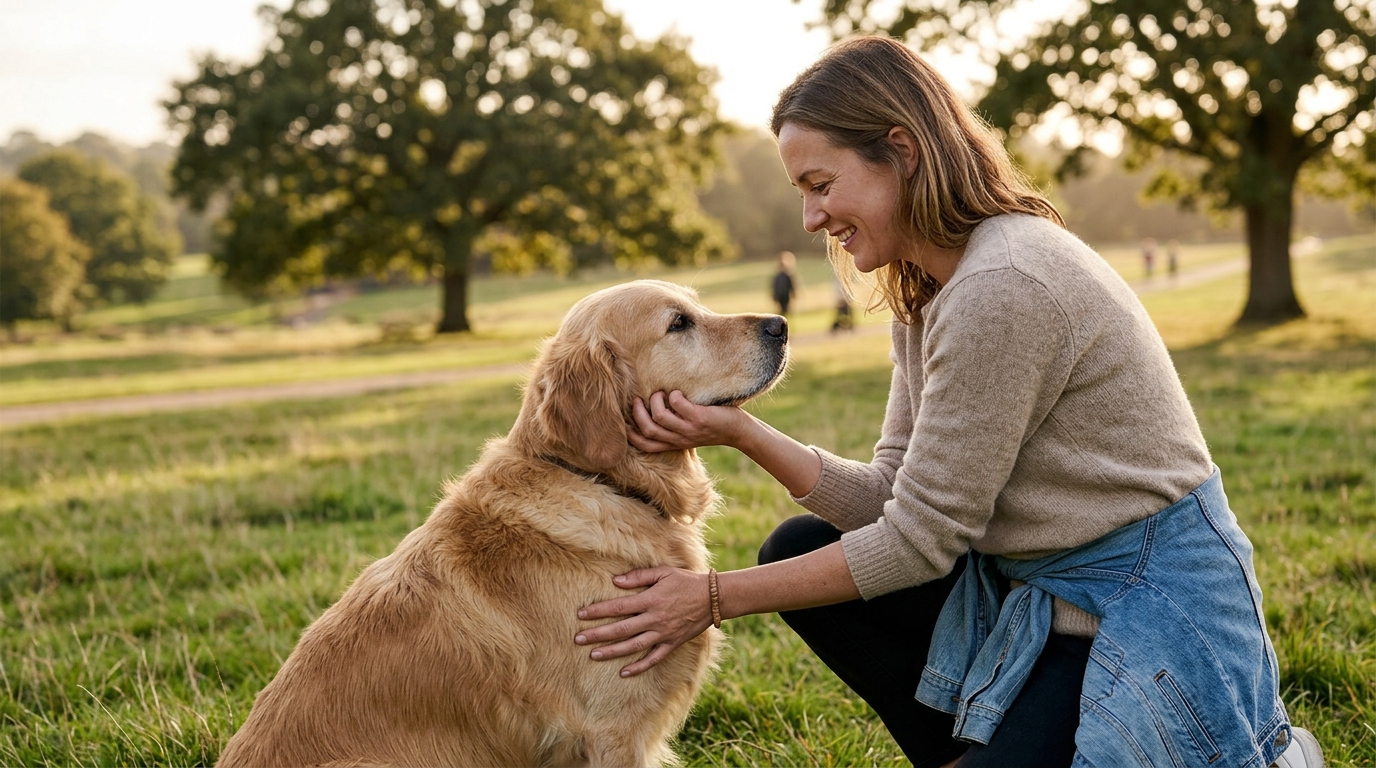
Data shows that nearly eighty percent of chronic canine digestive complaints stem from microbiome imbalances. According to veterinary research, dogs with compromised intestinal barriers frequently exhibit systemic inflammation and nutrient malabsorption. Recognizing these early warning signs allows owners to intervene before long-term complications develop. This guide breaks down the clinical indicators of poor digestion and outlines proven nutritional strategies to restore balance. You will learn how to identify subtle behavioral shifts, track stool consistency, and implement targeted dietary adjustments. Understanding these fundamentals empowers you to make informed decisions about your pet's daily nutrition.
Signs of Poor Digestion
Recognizing Physical Symptoms
Gut dysbiosis is a state where harmful bacteria outnumber beneficial microbes in the intestinal tract. This imbalance triggers visible physical changes. Owners should monitor coat quality and skin elasticity. A dull coat often signals poor nutrient absorption. Frequent scratching or hot spots frequently indicate food sensitivities. These external markers rarely appear without internal digestive distress.
Tracking Energy Fluctuations
Lethargy often accompanies chronic digestive stress. When the gut cannot properly extract calories, dogs experience unexplained fatigue. You might notice your pet sleeping more than usual. This energy drop directly correlates with inefficient metabolic processing. Addressing the root cause usually restores normal activity levels.
Stool Consistency Analysis
Interpreting Bowel Movements
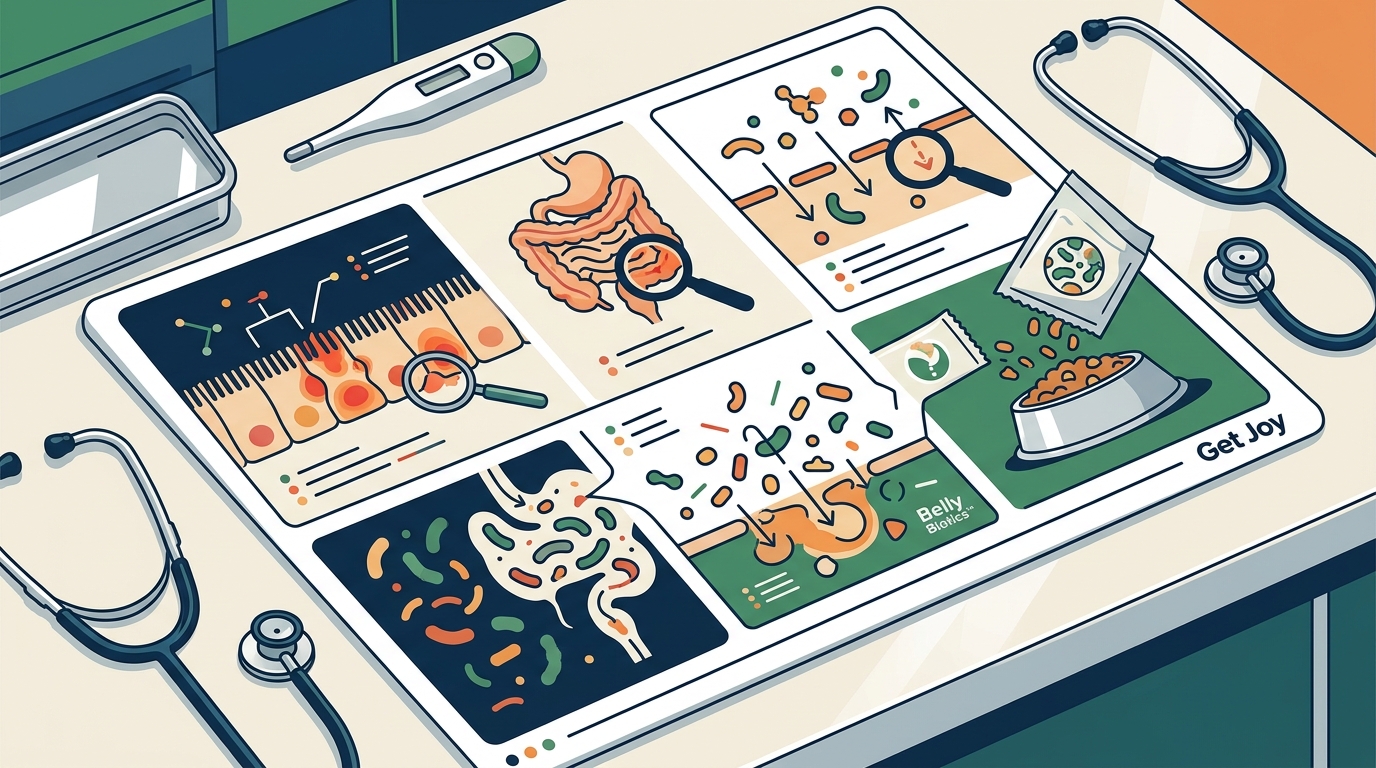
Consistent stool formation requires a balanced bacterial ecosystem. Irregular bowel movements serve as the most reliable diagnostic indicator. Soft stools or frequent diarrhea suggest incomplete nutrient breakdown. Conversely, hard, dry pellets indicate severe dehydration or low fiber intake. Tracking these patterns helps pinpoint specific dietary triggers.
Monitoring Frequency Changes
Sudden shifts in bathroom habits warrant immediate attention. An increase in frequency often signals irritation or infection. A decrease in frequency may point to constipation or blockage. Both extremes disrupt normal gut motility. Maintaining a daily log helps veterinarians establish accurate baselines.
Behavioral Impact
Linking Mood to Digestion
The gut-brain axis directly influences canine temperament. Discomfort in the intestinal tract frequently manifests as irritability. You may notice increased pacing or restlessness after meals. These behavioral shifts rarely occur without underlying physical stress. Calming your dog often requires addressing the digestive root cause.
Recognizing Appetite Variations
Sudden food refusal often signals nausea or abdominal pain. Some dogs develop picky eating habits to avoid discomfort. Others may engage in coprophagia to compensate for missing nutrients. Both behaviors indicate a failing digestive system. Adjusting meal composition usually resolves these strange habits.
Nutritional Intervention
Introducing Probiotic-Rich Options
Restoring microbial balance requires targeted nutritional support. Freeze-dried raw diets preserve natural enzymes and beneficial bacteria. These formulations undergo minimal processing to maintain structural integrity. Freeze-dried raw nutrition is a preservation method that removes moisture while retaining vital nutrients and live cultures. This approach supports faster recovery and improved absorption rates.
Implementing Gradual Transitions
Sudden dietary changes often worsen existing digestive distress. A gradual transition period allows the microbiome to adapt safely. Mix old and new food over seven to ten days. Monitor stool output and energy levels throughout the process. Consistency during this window prevents unnecessary gastrointestinal shock.
Dietary Comparison
Choosing the right feeding strategy requires understanding processing methods and nutrient retention. The table below outlines the primary differences between common commercial options.
| Diet Type | Processing Level | Nutrient Retention | Recommended Use |
|---|---|---|---|
| Standard Kibble | High Heat Extrusion | Low | Basic Maintenance |
| Fresh Cooked Meals | Moderate Cooking | Medium | Sensitive Stomachs |
| Freeze-Dried Raw | Low-Temperature Dehydration | High | Gut Restoration |
Key Takeaways
- Microbiome balance is a dynamic ecosystem where beneficial bacteria actively suppress pathogenic organisms and support immune function.
- Trusted by 30,000+ Happy Pet Parents, this nutritional framework prioritizes gut integrity over convenience.
- Current promotions offer 25% OFF Sitewide for our Summer Sale to reduce initial transition costs.
- First-time subscribers receive 50% off 1st Subscription Order to support long-term digestive consistency.
- Free Shipping activates automatically once your cart reaches the 75 dollar threshold.
- Orders exceeding 125 dollars qualify for an Extra Discount of 10 percent off the final total.
- Partnerships with veterinary nutritionists ensure every formula meets strict safety benchmarks.
Frequently Asked Questions
How long does it take to fix a dog's gut?
Most dogs show measurable improvements within three to four weeks. Consistent feeding schedules accelerate the recovery timeline. Regular stool monitoring helps track microbial colonization progress.
Can sudden diet changes cause diarrhea?
Yes, abrupt transitions frequently trigger temporary digestive upset. Gradual mixing over ten days prevents osmotic shock. Introducing fiber-rich supplements supports smoother adaptation.
Is freeze-dried food safe for puppies?
Freeze-dried formulas meet strict nutritional standards for growing dogs. These products contain balanced calcium and phosphorus ratios. Always consult your veterinarian before introducing new protein sources.
How do I transition my dog to raw food?
Start by mixing twenty-five percent new food with seventy-five percent old food. Increase the new ratio by twenty-five percent every three days. Watch for appetite changes and adjust portions accordingly.
What supplements support gut recovery?
Probiotic blends and prebiotic fibers actively nourish beneficial bacteria. These additives reduce inflammation and improve nutrient absorption. Consistent daily dosing yields the most reliable results.
When should I visit a veterinarian?
Blood in stool, persistent vomiting, or extreme lethargy require immediate professional care. These symptoms often indicate infections or blockages. Early intervention prevents severe complications.
Next Steps for Gut Health
Restoring your dog's digestive balance begins with informed dietary choices. Explore our complete product lineup to find the perfect match for your pet's specific needs. Visit Get Joy to browse available bundles. Take advantage of our current Summer Sale to maximize savings. Join thousands of satisfied pet parents who prioritize long-term wellness. Start your transition today and watch your dog thrive.