

According to recent veterinary research, chronic low-grade inflammation accelerates cellular aging in canines, affecting nearly 40 percent of senior dogs over the age of eight. This physiological response often manifests as joint stiffness, digestive irregularities, and reduced mobility. Addressing these early warning signs through targeted nutritional strategies can significantly extend quality lifespan. Modern pet science emphasizes that specific dietary compounds actively neutralize oxidative stress while supporting cellular repair. Understanding these mechanisms allows owners to make precise feeding decisions that align with their dog’s biological needs. (Shop All Dog Food)
Identifying Inflammatory Triggers
Common dietary culprits
Processed kibble often contains high carbohydrate loads that trigger systemic immune responses. These ingredients frequently lack the enzymatic activity required for efficient digestion. Chronic inflammation is a persistent immune response that damages healthy tissue over time. Owners should carefully review ingredient lists to eliminate artificial preservatives and synthetic fillers. Replacing these items with whole food alternatives reduces metabolic strain on the liver and kidneys.
Early warning signs
Lethargy and unexplained weight fluctuations often signal underlying nutritional deficits. Skin irritation and excessive shedding frequently correlate with poor fatty acid balance. Regular veterinary checkups help track these physiological changes before they become severe. Proactive dietary adjustments prevent long-term organ damage and preserve mobility.
The Role of Freeze-Dried Raw Nutrition
Preserving enzymatic activity
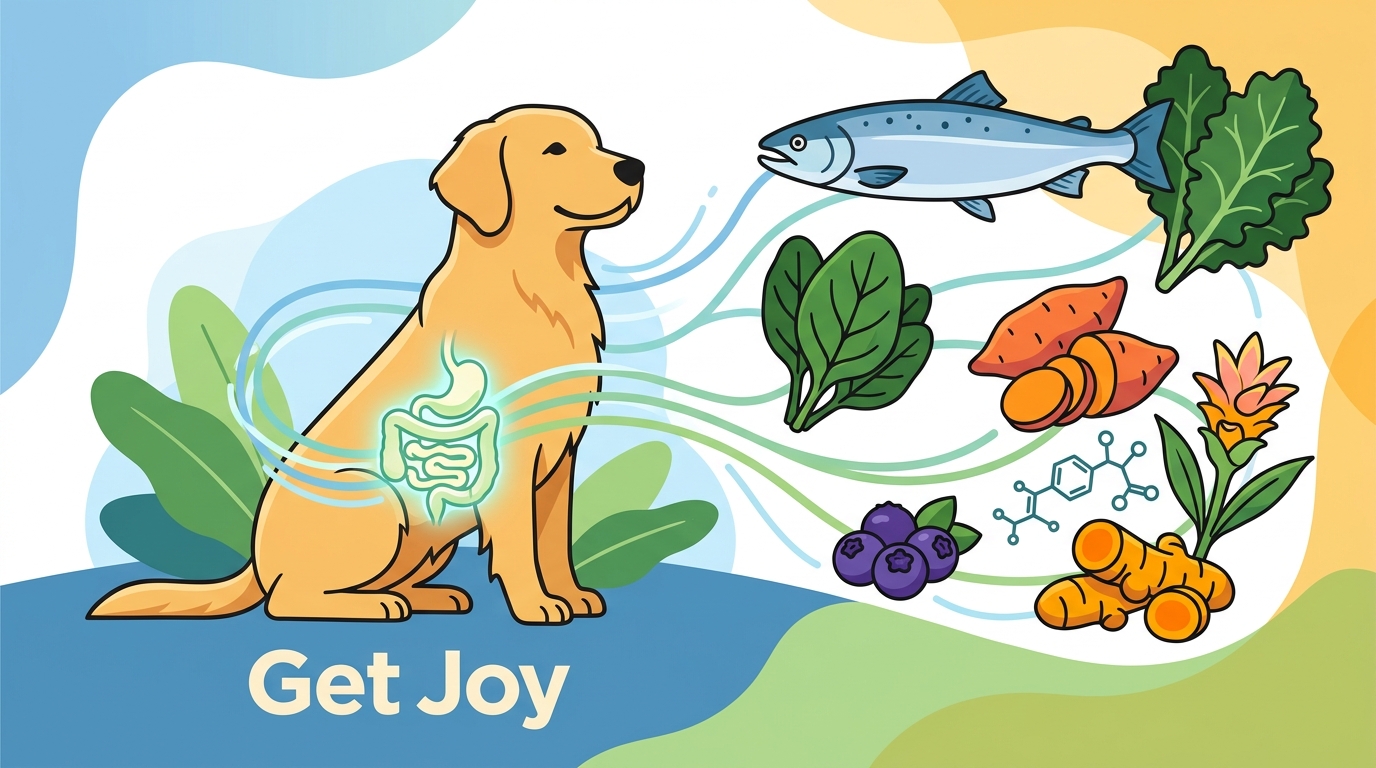
Freeze-drying removes moisture while maintaining the structural integrity of delicate nutrients. This process preserves heat-sensitive vitamins and active enzymes that traditional cooking destroys. Freeze-dried nutrition is a preservation method that locks in biological value without chemical additives. Dogs receive maximum digestive support when consuming foods prepared at low temperatures. This approach ensures that every meal delivers consistent biological benefits.
Bioavailable protein sources
High-quality animal proteins provide essential amino acids required for muscle maintenance. These compounds support tissue regeneration and immune system function. Premium freeze-dried raw meals utilize whole muscle cuts and organ tissues to maximize nutrient density. Feeding these formulations reduces gastrointestinal irritation while improving stool quality. Consistent protein intake directly correlates with sustained energy levels and lean body mass.
Superfood Organ Meats and Cellular Repair
Nutrient density explained
Organ meats contain concentrated concentrations of vitamins, minerals, and trace elements. These biological tissues provide superior nutritional value compared to standard muscle meat. Nutrient density is the measure of essential vitamins and minerals contained within a specific food volume. Beef kidney, heart, and liver deliver targeted support for metabolic efficiency and blood oxygenation. Integrating these superfoods into daily meals creates a comprehensive nutritional foundation.
Targeted organ support
Specific organ tissues address distinct physiological needs across different life stages. Liver supports detoxification pathways while heart tissue strengthens cardiac muscle function. Kidney extracts provide essential cofactors for enzymatic reactions and cellular energy production. These specialized ingredients work synergistically to optimize overall canine health. Regular consumption of organ-based treats promotes long-term vitality and disease resistance.
Fresh Meal Formulations and Digestive Balance
Gut microbiome optimization
A balanced intestinal ecosystem directly influences immune function and nutrient absorption. Fresh meal formulations incorporate prebiotic fibers and beneficial bacterial cultures to support microbial diversity. Gut microbiome is the complex community of microorganisms residing in the digestive tract. These organisms break down complex carbohydrates and synthesize essential vitamins for host utilization. Maintaining microbial balance reduces systemic inflammation and improves digestive efficiency.
Hydration and nutrient absorption
Moisture content in fresh meals enhances nutrient solubility and gastrointestinal transit time. Proper hydration facilitates the transport of water-soluble vitamins and minerals throughout the bloodstream. Fresh formulations typically contain higher moisture levels than dry kibble or freeze-dried options. This increased water content supports kidney function and joint lubrication. Consistent hydration directly improves nutrient bioavailability and overall metabolic performance.
Supplemental Support for Joint and Cognitive Health
Omega fatty acid ratios
Specific polyunsaturated fatty acids actively modulate inflammatory pathways and cellular signaling. Omega-3 and omega-6 compounds work in precise ratios to regulate immune responses. Omega fatty acids are essential dietary fats that regulate cellular membrane fluidity and inflammatory signaling. High-quality supplements provide concentrated sources of eicosapentaenoic acid and docosahexaenoic acid. These compounds reduce joint stiffness and support cognitive function in aging canines.
Antioxidant pathways
Natural antioxidants neutralize free radicals that damage cellular structures and DNA. Blueberries, turmeric, and vitamin E provide powerful protection against oxidative stress. These compounds support mitochondrial function and preserve neural tissue integrity. Regular antioxidant intake slows age-related cognitive decline and maintains sharp mental acuity. Combining these nutrients with a balanced diet creates a comprehensive anti-aging strategy.
Transitioning to an Anti-Inflammatory Diet
Gradual introduction protocols
Sudden dietary changes often disrupt intestinal flora and trigger digestive distress. A structured transition period allows the microbiome to adapt to new food sources. Owners should mix increasing portions of the new diet over a seven to ten day window. This method minimizes gastrointestinal upset and ensures consistent nutrient intake. Monitoring stool consistency and energy levels helps adjust portion sizes appropriately.
Monitoring physiological responses
Regular observation of coat quality, mobility, and digestive regularity provides critical feedback. Tracking these metrics helps determine whether the new diet meets specific biological requirements. Adjusting portion sizes based on activity level and metabolic rate ensures optimal body condition. Consistent dietary management prevents inflammatory flare-ups and supports long-term wellness.
Anti-Inflammatory Food Options Summary
| Food Category | Primary Health Benefit | Recommended Product Line | Price Range |
|---|---|---|---|
| Freeze-Dried Raw | Enzymatic preservation and bioavailable protein | Freeze Dried Raw Meals | $34.95 per bag |
| Superfood Organ Treats | Targeted organ support and nutrient density | Superfood Beef Organ Treats | $19.99 per bag |
| Fresh Meals | Gut microbiome optimization and hydration | Fresh Meals | Subscription available |
| Supplements | Joint mobility and cognitive preservation | Supplements | Varies by formula |
Key Takeaways
- Chronic low-grade inflammation affects nearly 40 percent of senior dogs over the age of eight.
- Freeze-dried raw meals preserve heat-sensitive enzymes and deliver bioavailable protein without synthetic additives.
- Superfood organ treats provide concentrated nutrient density to support targeted organ function and cellular repair.
- Fresh meal formulations optimize gut microbiome balance and enhance nutrient absorption through increased moisture content.
- Omega fatty acid ratios and natural antioxidants actively modulate inflammatory pathways and support cognitive health.
- Get Joy serves over 30,000 happy pet parents with scientifically formulated nutrition plans.
- Current promotional offers include a 25 percent sitewide summer sale and 50 percent off the first subscription order.
Frequently Asked Questions
How long does it take to see anti-inflammatory results?
Most dogs exhibit noticeable improvements in coat quality and energy levels within three to four weeks. Digestive regularity typically stabilizes within the first ten days of dietary transition. Joint mobility and cognitive sharpness often require two to three months of consistent feeding. Tracking these physiological markers helps owners adjust portion sizes and supplement dosages appropriately.
Can freeze-dried raw food replace veterinary prescribed diets?
Freeze-dried raw nutrition provides comprehensive biological value but should never replace specific medical prescriptions. Owners must consult their veterinarian before making significant dietary changes for dogs with diagnosed conditions. These formulations support general wellness and preventive care rather than treating acute medical emergencies. Professional guidance ensures that nutritional interventions align with specific health requirements.
What is the best way to introduce organ meats to my dog?
Start with small portions of superfood organ treats mixed into regular meals. Gradually increase the frequency to three to four times per week as tolerance builds. Monitor stool consistency and energy levels to determine the optimal serving size. These nutrient-dense extracts provide targeted support for detoxification and cellular energy production.
How does hydration impact nutrient absorption in senior dogs?
Adequate moisture content directly influences the solubility and transport of water-soluble vitamins. Fresh meal formulations provide higher hydration levels to support kidney function and joint lubrication. Proper hydration facilitates efficient nutrient delivery to cellular structures and metabolic pathways. Maintaining optimal fluid balance reduces systemic inflammation and improves overall metabolic performance.
Are subscription models cost-effective for long-term anti-inflammatory care?
Subscription programs typically offer significant discounts and free shipping thresholds to reduce long-term costs. Customers can access 50 percent off their first subscription order while enjoying automated delivery schedules. These programs ensure consistent nutrient intake without the hassle of manual reordering. Automated billing and flexible pause options provide maximum convenience for busy pet owners.
What role do antioxidants play in canine cognitive health?
Natural antioxidants neutralize free radicals that damage cellular structures and neural tissue. Blueberries, turmeric, and vitamin E provide powerful protection against oxidative stress and age-related decline. These compounds support mitochondrial function and preserve cognitive sharpness in aging canines. Regular antioxidant intake slows neurological deterioration and maintains mental acuity over time.
Next Steps for Canine Wellness
Implementing a targeted anti-inflammatory diet requires careful product selection and consistent monitoring. Explore our complete collection of freeze-dried raw meals, fresh formulations, and superfood treats to build a customized nutrition plan. Visit our main store page to browse available bundles and apply current promotional discounts. Schedule a consultation with your veterinarian to align dietary changes with your dog’s specific health metrics. Consistent nutritional management prevents inflammatory flare-ups and supports long-term vitality.