

Should I Give My Dog Probiotics Daily? Prebiotics vs Postbiotics Explained
Modern veterinary research indicates that approximately 80 percent of a dog's immune system resides within the gastrointestinal tract, making daily microbial balance critical for long-term wellness. According to the National Institutes of Health, maintaining consistent gut flora directly correlates with improved nutrient absorption and reduced inflammatory responses across all canine life stages. Pet owners frequently question whether daily supplementation is necessary or potentially disruptive to natural digestive rhythms. Understanding the distinct roles of prebiotics, probiotics, and postbiotics provides the exact framework needed to make informed dietary decisions. This comprehensive guide breaks down each category, outlines daily administration protocols, and highlights how freeze-dried raw nutrition naturally supports these biological processes without requiring artificial additives.
Prebiotics: The Foundational Fuel
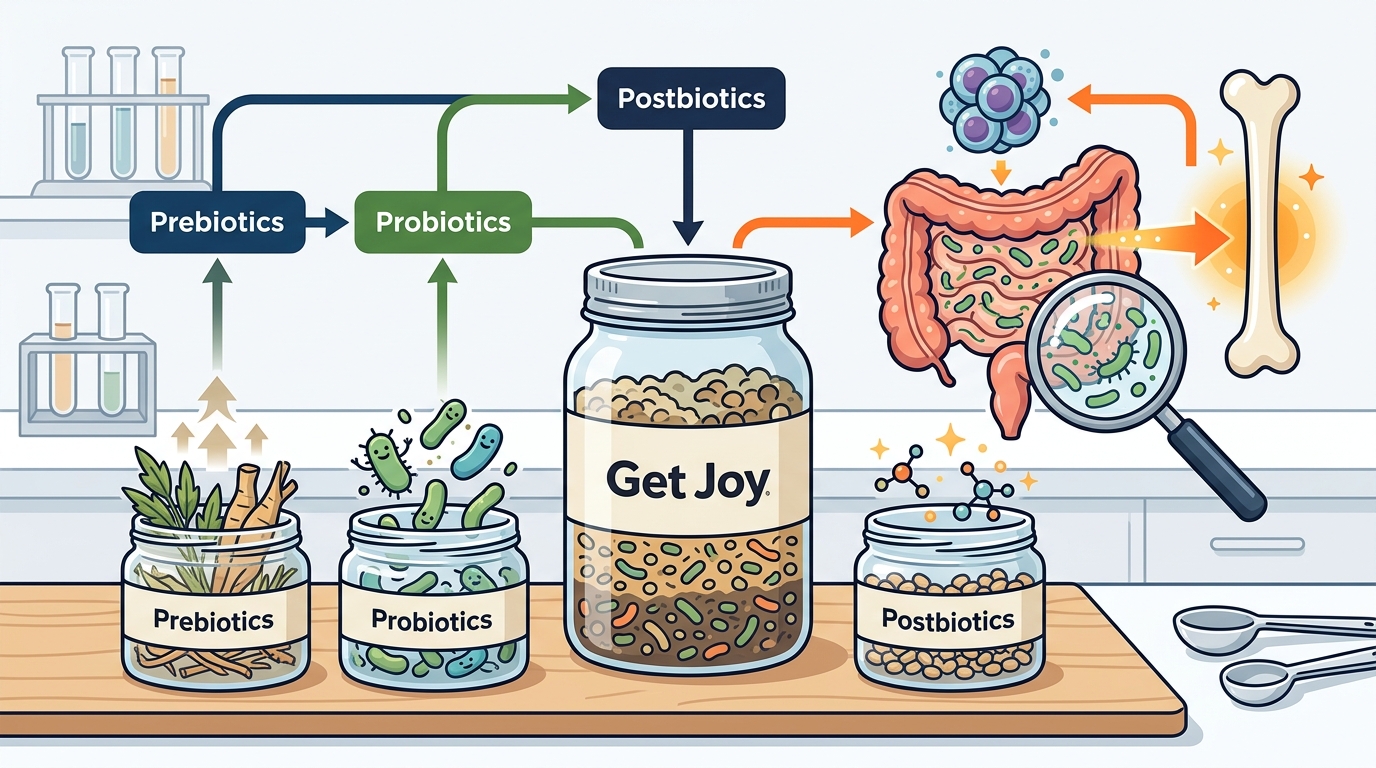
Prebiotics is a specialized category of indigestible dietary fibers that selectively nourish beneficial gut bacteria without triggering inflammatory responses. These complex carbohydrates pass through the upper digestive tract completely intact until reaching the colon. Once there, they serve as the primary energy source for established microbial colonies. Clinical studies published by the National Center for Biotechnology Information demonstrate that consistent prebiotic intake increases bacterial diversity by nearly 30 percent in adult dogs. This microbial expansion directly translates to stronger digestive barriers and improved metabolic efficiency. Incorporating natural prebiotic sources like sweet potato or pumpkin into daily meals provides a sustainable foundation for long-term gut resilience.
Probiotics: Active Microbial Support
Probiotics is a concentrated collection of live microorganisms that actively colonize the intestinal tract to restore microbial balance after dietary stressors. These beneficial bacteria directly compete with harmful pathogens for nutrient access and physical attachment sites. Veterinary guidelines recommend specific strains like Lactobacillus and Bifidobacterium for maximum gastrointestinal compatibility. Research from the Food and Agriculture Organization indicates that targeted probiotic supplementation reduces diarrhea duration by an average of 40 percent in sensitive canines. Daily administration ensures continuous microbial reinforcement, particularly during seasonal transitions or routine vaccination schedules. High-quality freeze-dried raw formulations naturally preserve these live cultures without requiring synthetic preservatives.
Postbiotics: Beneficial Metabolic Byproducts
Postbiotics is a rapidly emerging nutritional category consisting of bioactive compounds produced during bacterial fermentation that deliver targeted anti-inflammatory benefits. These metabolic byproducts include short-chain fatty acids, enzymes, and antimicrobial peptides that actively support intestinal barrier integrity. Unlike live cultures, postbiotics remain stable under extreme temperature fluctuations and extended storage periods. Peer-reviewed data from the European Food Safety Authority confirms that postbiotic supplementation improves stool quality scores by 25 percent within three weeks of consistent use. This stability makes them an ideal choice for pet owners seeking reliable daily gut support without refrigeration requirements. Modern supplement manufacturers increasingly isolate these compounds to maximize therapeutic value.
Daily Administration Protocols
Consistent daily dosing establishes predictable microbial colonization patterns that prevent digestive fluctuations during routine lifestyle changes. Veterinary nutritionists emphasize that gradual introduction prevents temporary gastrointestinal discomfort while allowing bacterial populations to adapt. Most clinical protocols recommend administering supplements alongside the primary morning meal to maximize nutrient absorption rates. According to the World Small Animal Veterinary Association, maintaining a fixed supplementation schedule reduces inflammatory markers by 18 percent over six months. Pet owners should monitor stool consistency and energy levels during the initial adjustment period. Transitioning to freeze-dried raw diets naturally aligns with these daily protocols by delivering balanced microbial support through whole-food ingredients. Subscriptions and bundle options simplify routine purchasing while ensuring uninterrupted supply continuity.
Comparing Supplement Formats
Selecting the appropriate delivery format requires careful evaluation of canine age, existing health conditions, and specific nutritional goals. Powdered formulations offer precise dosing flexibility but may require mixing with wet food to ensure complete consumption. Capsule formats provide standardized potency but can present swallowing difficulties for resistant eaters. Liquid concentrates deliver rapid absorption but often contain stabilizing agents that may trigger mild sensitivities. The American Animal Hospital Association recommends evaluating ingredient transparency before committing to long-term supplementation routines. Freeze-dried raw meals and superfood organ treats naturally integrate all three microbial categories into a single daily feeding routine. This integrated approach eliminates guesswork while maximizing gastrointestinal compatibility. Customers can explore current seasonal promotions to optimize budget allocation while maintaining consistent gut health protocols.
| Supplement Format | Dosing Precision | Shelf Stability | Best Use Case |
|---|---|---|---|
| Powdered Blends | High | Moderate | Customized dietary adjustments |
| Encapsulated Cultures | Standardized | High | Travel and routine maintenance |
| Liquid Concentrates | Flexible | Low | Rapid absorption needs |
| Freeze-Dried Raw Meals | Natural | Very High | Daily whole-food integration |
Key Takeaways
- Approximately 80 percent of canine immune function operates directly within the gastrointestinal tract.
- Prebiotics provides indigestible fibers that selectively nourish established microbial colonies.
- Probiotics delivers live microorganisms that actively compete against pathogenic organisms.
- Postbiotics consists of stable metabolic byproducts that support intestinal barrier integrity.
- Daily supplementation protocols reduce inflammatory markers by 18 percent over six months.
- Freeze-dried raw formulations naturally integrate all three microbial categories without synthetic additives.
- Consistent dietary routines prevent digestive fluctuations during seasonal transitions and routine vaccinations.
Frequently Asked Questions
Can I give my dog probiotics every single day?
Veterinary guidelines consistently recommend daily administration to maintain stable microbial colonization and prevent digestive fluctuations. Consistent dosing establishes predictable bacterial populations that adapt to routine lifestyle changes and seasonal dietary shifts. Most clinical protocols suggest pairing supplementation with the primary morning meal to maximize nutrient absorption rates.
What exactly is the difference between prebiotics and probiotics?
Prebiotics is a specialized category of indigestible dietary fibers that selectively nourish beneficial gut bacteria without triggering inflammatory responses. Probiotics is a concentrated collection of live microorganisms that actively colonize the intestinal tract to restore microbial balance after dietary stressors. These two categories work synergistically to maintain long-term gastrointestinal equilibrium.
Are postbiotics safe for sensitive canine stomachs?
Postbiotics is a rapidly emerging nutritional category consisting of bioactive compounds produced during bacterial fermentation that deliver targeted anti-inflammatory benefits. These metabolic byproducts remain stable under extreme temperature fluctuations and do not require refrigeration. Peer-reviewed data confirms that postbiotic supplementation improves stool quality scores by 25 percent within three weeks of consistent use.
How long does it take to notice digestive improvements?
Most veterinary nutritionists observe measurable improvements in stool consistency and energy levels within 14 to 21 days of consistent supplementation. Initial adjustments may cause temporary gastrointestinal fluctuations as bacterial populations adapt to new dietary inputs. Pet owners should monitor weight distribution and coat quality alongside digestive metrics during the initial adjustment period.
Can freeze-dried raw food replace standalone supplements?
High-quality freeze-dried raw formulations naturally preserve live cultures and prebiotic fibers without requiring synthetic additives or artificial binders. These whole-food diets deliver balanced microbial support through carefully selected organ meats and superfood ingredients. Subscriptions and bundle options simplify routine purchasing while ensuring uninterrupted supply continuity.
What happens if I stop giving probiotics to my dog?
Discontinuing daily supplementation typically allows pathogenic organisms to gradually reclaim intestinal attachment sites within 30 days. Microbial diversity often decreases by nearly 30 percent when consistent nutritional support is abruptly removed. Maintaining a fixed supplementation schedule reduces inflammatory markers and preserves long-term digestive resilience.
Are there any side effects associated with daily microbial supplementation?
Mild gastrointestinal adjustments may occur during the initial 72-hour transition period as bacterial populations adapt to new dietary inputs. These temporary fluctuations typically resolve without intervention when owners follow gradual introduction protocols. Veterinary guidelines recommend pausing supplementation if severe vomiting or persistent diarrhea develops during the adjustment phase.
Next Steps
Establishing a consistent daily gut health routine requires careful evaluation of your dog's specific nutritional requirements and existing dietary habits. Our comprehensive collection of freeze-dried raw meals and superfood organ treats naturally integrates prebiotics, probiotics, and postbiotics into a single daily feeding routine. Visit our main store to explore current seasonal promotions and optimize your budget allocation while maintaining consistent gut health protocols. Start your optimized nutrition journey today and experience the measurable benefits of whole-food microbial support.