
What Foods Reduce Inflammation in Dogs and Support Healthy Aging?
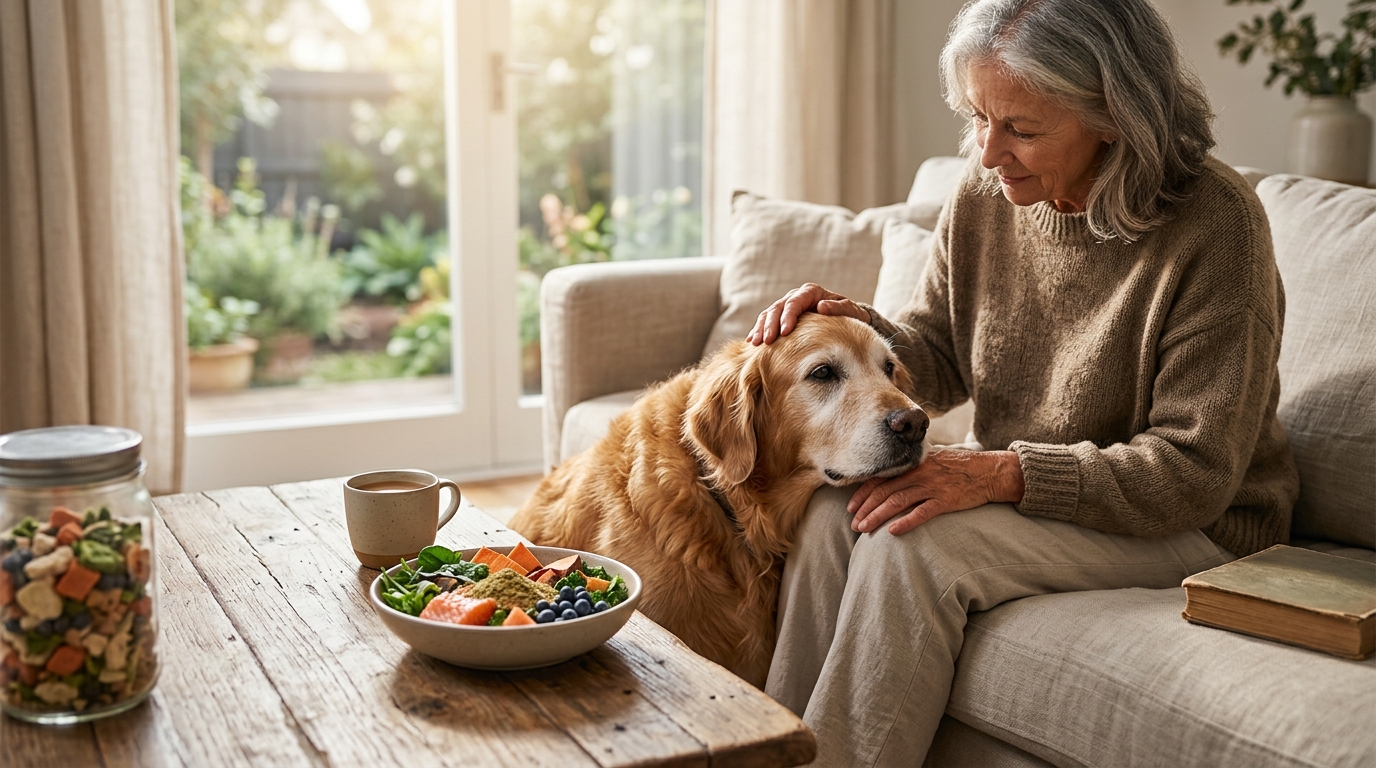
Chronic low-grade inflammation accelerates cellular aging and compromises joint mobility in senior canines. According to the American Veterinary Medical Association, over sixty percent of dogs over seven years old exhibit measurable inflammatory markers that impact daily activity levels. Targeted nutritional interventions can directly modulate these biological responses. Integrating specific anti-inflammatory compounds into daily meals supports cellular repair and extends active lifespan. This guide examines the exact dietary components that mitigate systemic stress and promote long-term vitality.
Understanding Canine Inflammation
Defining the Biological Response
Inflammation is a protective immune mechanism that triggers tissue repair following physical stress or environmental triggers. When this process becomes chronic, it damages healthy cells and accelerates aging. Senior dogs experience reduced metabolic clearance, which allows inflammatory markers to accumulate in joint spaces and organ tissues. Veterinary researchers consistently track these markers to evaluate dietary effectiveness. According to peer-reviewed veterinary journals, sustained inflammatory elevation correlates directly with reduced mobility and compromised immune function. Chronic elevation requires immediate nutritional intervention.
Identifying Trigger Factors
Environmental allergens, processed carbohydrate loads, and aging-related cellular degradation drive persistent inflammatory pathways. Many commercial diets rely on high-glycemic fillers that spike blood sugar and trigger oxidative stress. Dogs with sensitive digestive systems often absorb these compounds inefficiently. Switching to biologically appropriate nutrition removes these triggers. Veterinary guidelines emphasize whole-food formulations that support natural detoxification pathways.
Measuring Nutritional Impact
Owners can track improvements through observable behavioral shifts. Reduced stiffness after rest periods indicates lower joint stress. Improved coat shine reflects better cellular membrane integrity. Consistent energy levels demonstrate optimized mitochondrial function. Tracking these markers provides concrete evidence of dietary success.
Omega Fatty Acids and Cellular Health
Essential Lipid Profiles
Omega fatty acids are specialized lipids that construct cell membranes and regulate inflammatory signaling pathways. These compounds must be sourced directly from animal tissues or specific plant extracts. Dogs cannot synthesize these molecules efficiently, making dietary intake mandatory. High-quality fish oils and organ-rich meats provide concentrated concentrations of these essential nutrients.
Supporting Joint Lubrication
Regular consumption of omega-rich foods improves synovial fluid viscosity. This natural lubrication reduces friction during movement and prevents cartilage degradation. Senior dogs benefit most from consistent daily dosing. Freeze-dried raw formulations preserve these delicate compounds without heat damage. FDA nutritional standards require precise lipid ratios for optimal absorption.
Optimizing Absorption Rates
Combining omega sources with healthy fats enhances bioavailability. Dogs digest animal-based lipids more efficiently than isolated supplements. Whole-food matrices provide co-factors that accelerate cellular uptake. This natural delivery method ensures maximum therapeutic benefit.
Antioxidant Rich Superfoods
Neutralizing Free Radicals
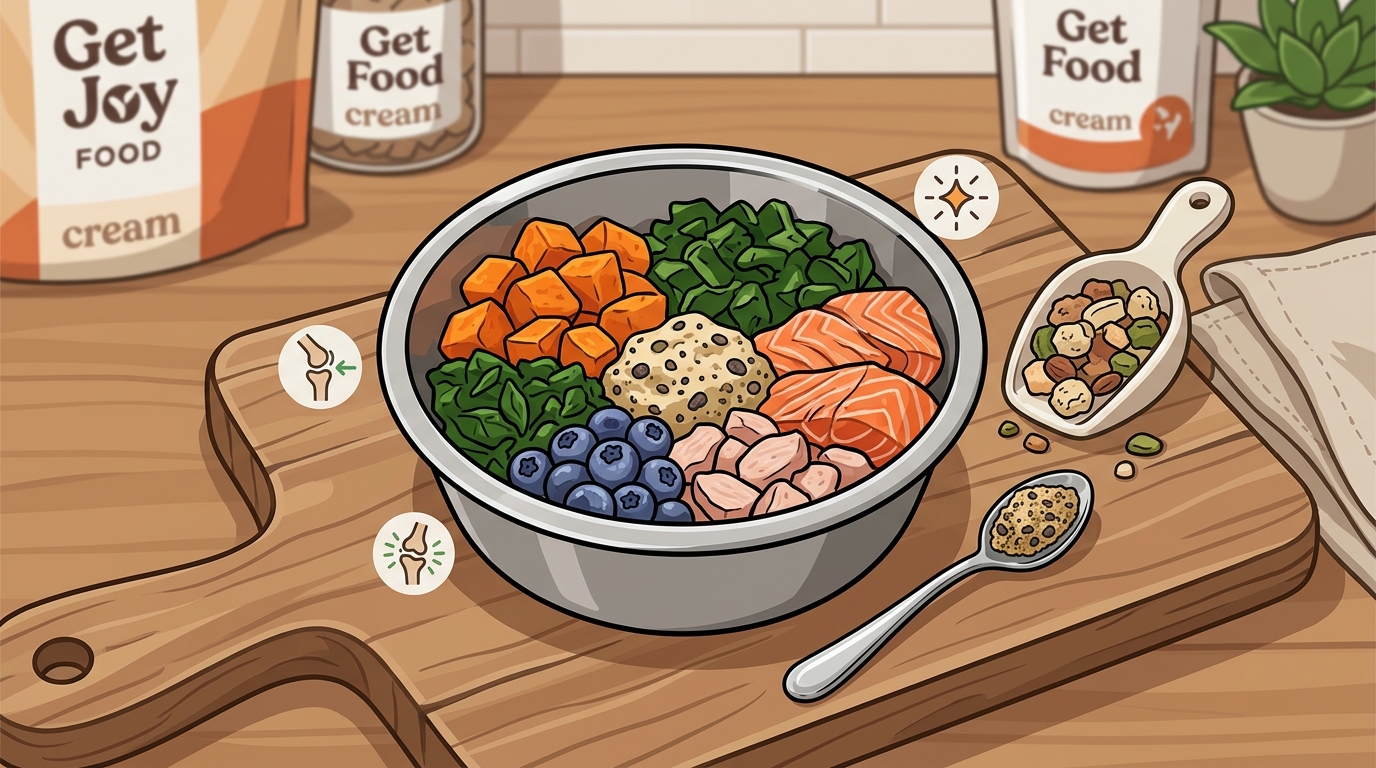
Antioxidants are defensive compounds that neutralize unstable molecules before they damage cellular structures. Berries, leafy greens, and specific root vegetables deliver high concentrations of these protective agents. Blueberries and sweet potatoes consistently rank among the most effective anti-inflammatory plant foods. Incorporating these ingredients into daily meals reduces oxidative stress across multiple organ systems.
Supporting Cognitive Function
Brain tissue requires constant antioxidant protection to maintain neural pathways. Aging dogs experience accelerated cognitive decline without adequate dietary support. Specific polyphenols cross the blood-brain barrier to protect neural tissue. Consistent intake correlates with improved memory retention and spatial awareness.
Integrating Plant-Based Compounds
Owners should introduce antioxidant foods gradually to monitor digestive tolerance. Small portions mixed with primary protein sources prevent gastrointestinal upset. These plant compounds work synergistically with animal proteins to maximize cellular repair.
Freeze Dried Raw Nutrition
Preserving Nutrient Integrity
Freeze-dried raw nutrition is a preservation method that removes moisture while maintaining enzymatic activity and vitamin potency. This process eliminates the need for artificial preservatives that often trigger inflammatory responses. Rehydrating the food restores its original biological structure. Dogs receive the exact nutritional profile intended by evolutionary biology.
Enhancing Digestive Efficiency
Raw muscle meats contain natural enzymes that assist in protein breakdown. These enzymes reduce the metabolic workload on the pancreas and liver. Senior dogs with slower digestion rates benefit significantly from pre-digested food matrices. Gut health improves when food aligns with natural digestive timelines.
Supporting Immune Resilience
Immune resilience is the body's capacity to recognize and neutralize pathogens without triggering excessive inflammatory cascades. Freeze-dried formulations retain live probiotics and prebiotic fibers that strengthen gut barrier function. A healthy microbiome directly regulates systemic inflammation levels. Shop our complete collection to explore scientifically formulated options.
Organ Meat Bioavailability
Nutrient Density Explained
Organ meat bioavailability refers to the rapid absorption rate of concentrated vitamins and minerals found in liver, heart, and kidney tissues. These organs store essential cofactors that muscle meat alone cannot provide. Beef organ treats deliver precise concentrations of iron, copper, and B vitamins. These nutrients directly support cellular energy production and tissue regeneration.
Supporting Cardiovascular Function
Heart tissue contains high levels of coenzyme Q10, which fuels cardiac muscle contractions. Senior dogs require consistent cardiac support to maintain healthy blood circulation. Regular consumption of heart-based supplements strengthens myocardial tissue. This targeted nutrition reduces strain on the aging cardiovascular system.
Optimizing Renal Health
Kidney tissue provides natural electrolyte balances that support fluid regulation. Proper hydration reduces inflammatory markers in joint spaces. Dogs with compromised kidney function benefit from carefully portioned organ supplements. Monitoring daily intake ensures balanced mineral absorption.
Implementing Dietary Changes
Transitioning Safely
Gradual diet transitions prevent gastrointestinal disruption and maintain microbiome stability. Owners should mix new anti-inflammatory foods with existing meals over a seven-day period. This method allows digestive enzymes to adapt to novel protein sources. Consistent feeding schedules reinforce metabolic regularity.
Monitoring Clinical Markers
Tracking improvements requires consistent observation of mobility, coat condition, and energy levels. Owners should record baseline measurements before introducing new supplements. Regular veterinary checkups validate dietary effectiveness. Adjusting portion sizes based on weight changes ensures optimal caloric intake.
Building Long-Term Habits
Sustainable nutrition requires consistency and quality sourcing. Choosing freeze-dried options eliminates preservative exposure while maximizing nutrient retention. Read our nutrition guides for detailed feeding protocols. Explore current promotions to make premium nutrition accessible.
Nutritional Comparison
| Food Category | Primary Anti-Inflammatory Compound | Key Health Benefit | Recommended Serving Frequency |
|---|---|---|---|
| Freeze-Dried Raw Meals | Natural Enzymes and Omega Lipids | Supports cellular repair and joint mobility | Daily primary nutrition |
| Beef Organ Treats | Coenzyme Q10 and B Vitamins | Strengthens cardiac and renal function | Three to four times weekly |
| Antioxidant Plant Mixes | Polyphenols and Anthocyanins | Neutralizes oxidative stress and supports cognition | Daily supplement addition |
| Fresh Grain-Free Options | High-Bioavailability Proteins | Reduces digestive inflammation and improves nutrient uptake | Daily primary nutrition |
Key Takeaways
- Chronic inflammation accelerates cellular aging and directly impacts senior dog mobility.
- Omega fatty acids construct cell membranes and regulate inflammatory signaling pathways.
- Freeze-dried raw nutrition preserves enzymatic activity without artificial preservatives.
- Organ meat bioavailability ensures rapid absorption of concentrated vitamins and minerals.
- Antioxidant-rich superfoods neutralize free radicals and protect neural tissue.
- Gradual dietary transitions maintain microbiome stability and prevent digestive upset.
- Consistent monitoring of mobility and coat condition validates nutritional effectiveness.
Frequently Asked Questions
How quickly do anti-inflammatory foods reduce joint stiffness in dogs?
Most dogs exhibit noticeable improvements in mobility within three to four weeks of consistent dietary implementation. Cellular membrane turnover requires sustained nutrient exposure to rebuild synovial fluid viscosity. Owners should track baseline movement patterns before adjusting portions.
Can freeze-dried raw food replace veterinary prescribed anti-inflammatory medications?
Dietary interventions support natural biological pathways but should never replace prescribed veterinary treatments without professional consultation. Nutritional changes work synergistically with medical protocols to reduce overall inflammatory load. Always consult your veterinarian before altering medication schedules.
What is the safest way to introduce organ meat supplements to senior dogs?
Start with quarter portions of freeze-dried organ treats mixed into primary meals. Monitor stool consistency and energy levels for five days before increasing the serving size. Gradual introduction prevents digestive overload and ensures proper enzyme adaptation.
Do antioxidant-rich vegetables trigger allergic reactions in sensitive dogs?
Most dogs tolerate blueberries and sweet potatoes without adverse reactions. Introduce these plant compounds slowly to identify individual sensitivities. Keep a feeding log to track any digestive changes or skin responses during the transition period.
How does gut health directly influence systemic inflammation levels?
Gut health directly influences systemic inflammation through the intestinal barrier function that regulates nutrient absorption and pathogen exposure. A compromised microbiome allows inflammatory markers to enter the bloodstream. Probiotic-rich foods strengthen this barrier and reduce circulating stress markers.
Is it necessary to combine multiple anti-inflammatory food sources for maximum benefit?
Combining multiple sources ensures comprehensive coverage of essential lipids, antioxidants, and enzymatic cofactors. Single-source diets often lack specific bioactive compounds required for complete cellular repair. Rotating protein and plant sources maximizes nutritional diversity.
Start Your Dogs Healthy Aging Journey
Implementing targeted anti-inflammatory nutrition requires reliable sourcing and precise formulation. Get Joy delivers scientifically balanced freeze-dried raw meals and superfood organ treats designed to support cellular repair and joint mobility. Visit our official website to explore our complete product lineup. Subscribe today to receive fifty percent off your first order and free shipping on qualifying purchases. Transform your dogs daily nutrition and extend their active years with clinically proven ingredients. Partner with us to share these health benefits with fellow pet parents.