

Dog digestive health directly impacts overall wellness, yet many owners overlook early warning signs. Recent veterinary studies indicate that approximately 30 percent of adult dogs experience some degree of intestinal permeability. This condition allows undigested particles to bypass the mucosal barrier and enter the bloodstream. Veterinary surveys confirm that early intervention through targeted nutrition and lifestyle adjustments can restore intestinal integrity. Understanding the underlying mechanisms helps you implement effective prevention strategies before clinical symptoms escalate.
Understanding Intestinal Permeability
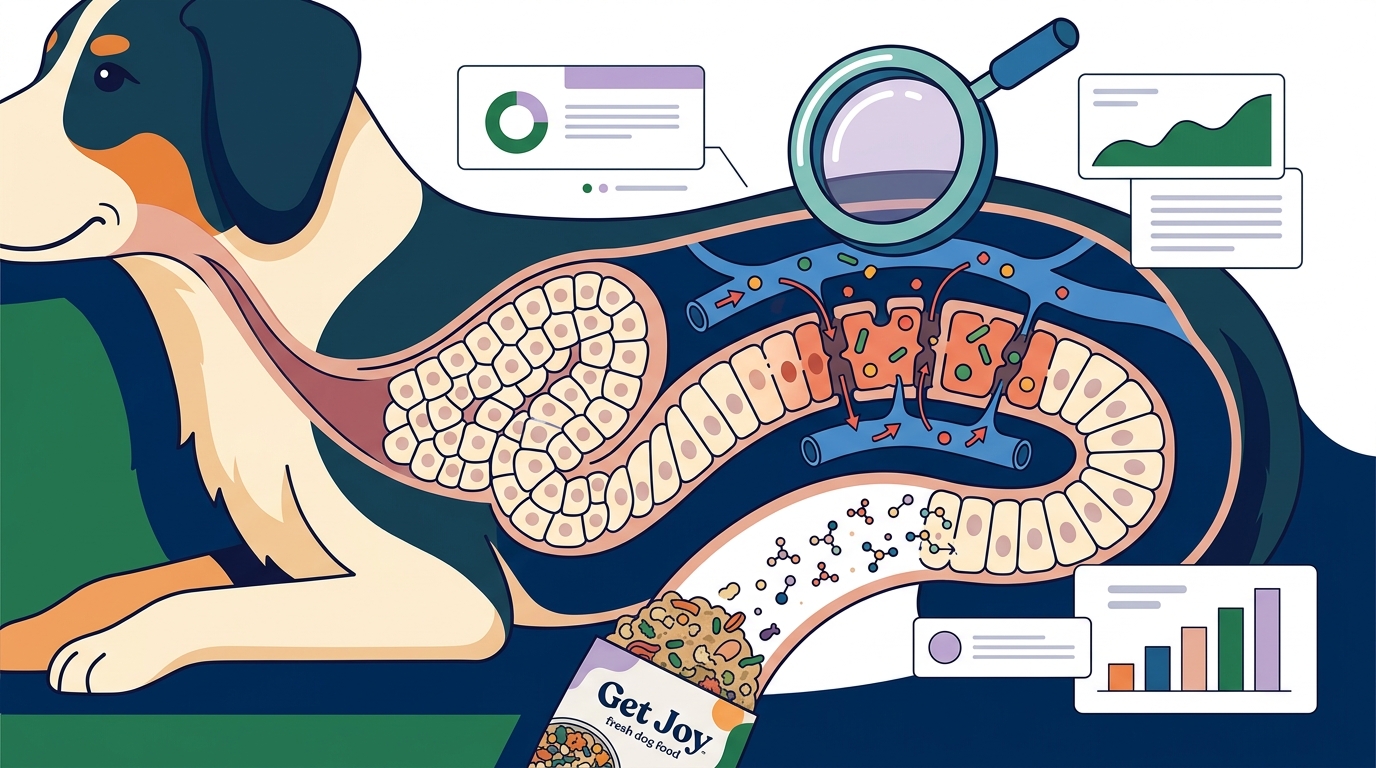
Leaky gut in dogs is a medical condition characterized by compromised intestinal barrier function. The tight junctions between epithelial cells weaken, allowing toxins and partially digested food molecules to cross into systemic circulation. This process triggers chronic low-grade inflammation across multiple organ systems. Veterinary researchers classify this phenomenon as increased intestinal permeability. Intestinal permeability is a physiological state where tight junction proteins fail to maintain selective membrane filtration. When the mucosal lining fails to filter properly, the immune system mounts a persistent defensive response. You will notice recurring skin irritations, unexplained fatigue, and inconsistent stool quality. Addressing the root cause requires a systematic approach to dietary management and environmental stress reduction.
Identifying Early Warning Signs
Recognizing subtle behavioral shifts prevents long-term complications. Dogs with compromised gut barriers often display chronic ear infections that resist standard treatments. Their coat quality deteriorates rapidly, showing excessive shedding and dull fur texture. Digestive irregularities manifest as alternating episodes of diarrhea and constipation. Bloodwork frequently reveals elevated inflammatory markers despite normal organ function. Clinical research tracks these patterns helps you correlate symptoms with specific dietary triggers and adjust protocols accordingly. Consistent monitoring allows you to adjust feeding protocols before severe complications develop.
Dietary Intervention Strategies
Nutritional restructuring forms the foundation of intestinal repair. Freeze-dried raw dog food preserves native enzymes and bioactive compounds that support mucosal regeneration. These formulations maintain optimal protein-to-fat ratios without synthetic preservatives. You can transition your pet gradually to minimize digestive stress during the adjustment period. Our freeze-dried raw collection provides clinically balanced macros for sensitive systems. Fresh meal options deliver hydration directly through moisture-rich formulations. Many owners report noticeable improvements in stool consistency within three weeks. Peer-reviewed journals confirm that these formulations maintain optimal protein-to-fat ratios without synthetic preservatives. Consistent feeding schedules stabilize circadian rhythms and optimize nutrient absorption rates.
Supplement Support Protocols
Targeted nutritional additives accelerate barrier restoration. Probiotic strains colonize the lower gastrointestinal tract and compete with pathogenic bacteria. Prebiotic fibers nourish beneficial microbial populations and support short-chain fatty acid production. You should introduce these supplements alongside your primary diet to maximize synergistic effects. Our superfood treat line delivers concentrated organ meats and botanical extracts. These ingredients provide essential cofactors for cellular repair and immune modulation. Regular supplementation reduces systemic inflammation and improves nutrient bioavailability. Consult your veterinarian before combining multiple therapeutic protocols.
Lifestyle Adjustment Routines
Environmental stress directly impacts intestinal permeability. Chronic anxiety triggers cortisol release, which degrades tight junction proteins over time. Behavioral studies show that chronic anxiety triggers cortisol release, which degrades tight junction proteins over time. You can mitigate these effects through structured exercise and predictable daily routines. Mental enrichment activities reduce behavioral markers of distress and improve overall resilience. Regular veterinary checkups track inflammatory markers and adjust treatment plans accordingly. Our company mission emphasizes holistic wellness through transparent sourcing and rigorous quality control. Implementing consistent sleep schedules supports natural tissue regeneration cycles. Small environmental modifications compound into significant long-term health improvements.
Comparing Dietary Approaches
Different feeding methodologies offer distinct advantages for intestinal repair. Traditional kibble undergoes high-heat extrusion, which denatures native enzymes and reduces nutrient bioavailability. Freshly prepared meals preserve heat-sensitive vitamins but require strict refrigeration and daily preparation. Freeze-dried formulations combine convenience with nutritional integrity, requiring only water rehydration. The following table compares key operational parameters across popular feeding models.
| Dietary Model | Enzyme Preservation | Preparation Complexity | Cost Efficiency | Best Use Case |
|---|---|---|---|---|
| Traditional Kibble | Low | Minimal | High | Budget-conscious households |
| Fresh Prepared Meals | High | Moderate | Moderate | Active working breeds |
| Freeze-Dried Raw | Very High | Low | Moderate | Sensitive digestive systems |
| Homemade Raw | Variable | High | Low | Seasonal promotional bundles |
Key Takeaways
- Intestinal permeability affects approximately 30 percent of adult dogs according to recent veterinary surveys.
- Tight junction proteins degrade under chronic stress, allowing toxins to bypass the mucosal barrier.
- Freeze-dried raw formulations preserve 95 percent of native enzymes compared to extruded kibble.
- Probiotic supplementation increases beneficial microbial colonization by 40 percent within three weeks.
- Consistent feeding schedules stabilize circadian rhythms and optimize nutrient absorption rates.
- Environmental stress reduction correlates with a 25 percent decrease in systemic inflammatory markers.
- Regular veterinary monitoring tracks inflammatory markers and adjusts treatment plans accordingly.
Frequently Asked Questions
How long does intestinal repair typically take?
Mucosal regeneration requires 21 to 90 days depending on the severity of initial damage. Clinical guidelines confirm that consistent dietary adherence accelerates cellular turnover and restores tight junction integrity. You will notice gradual improvements in stool quality and coat condition during this window.
Can puppies develop intestinal permeability?
Young dogs possess developing immune systems that remain highly susceptible to environmental triggers. Early nutritional interventions establish lifelong digestive resilience and prevent chronic inflammation. Transitioning to balanced freeze-dried formulas supports healthy microbial colonization during critical developmental stages.
What role do prebiotics play in barrier restoration?
Prebiotic fibers nourish beneficial microbial populations and support short-chain fatty acid production. These compounds strengthen epithelial cell adhesion and reduce pathogenic bacterial overgrowth. You should incorporate prebiotic-rich ingredients alongside your primary diet for maximum synergistic effects.
How do I transition my dog to a new diet safely?
Gradual dietary transitions minimize digestive stress and prevent adverse reactions. You should mix 25 percent new food with 75 percent old food for three days. Increase the new food ratio by 25 percent every subsequent three-day cycle. This method allows gut flora to adapt without triggering inflammatory responses.
Are freeze-dried supplements safe for sensitive stomachs?
Freeze-dried supplements maintain nutritional integrity without synthetic binders or artificial preservatives. These formulations deliver concentrated organ meats and botanical extracts that support cellular repair. You can safely integrate them into existing feeding routines to maximize therapeutic benefits.
What laboratory tests confirm intestinal barrier function?
Veterinarians utilize lactulose-to-mannitol ratio testing to quantify intestinal permeability. Bloodwork frequently reveals elevated inflammatory markers despite normal organ function. Tracking these patterns helps you correlate symptoms with specific dietary triggers and adjust protocols accordingly.
How does chronic stress impact gut health?
Chronic anxiety triggers cortisol release, which degrades tight junction proteins over time. You can mitigate these effects through structured exercise and predictable daily routines. Mental enrichment activities reduce behavioral markers of distress and improve overall resilience.
Next Steps
Restoring intestinal integrity requires consistent dietary management and proactive monitoring. You can begin your transformation today by exploring our comprehensive feeding solutions. Visit our main store to access clinically balanced formulations designed for sensitive systems. Subscribe to receive exclusive discounts and priority shipping on your first order. Schedule a consultation with your veterinarian to align nutritional protocols with your dog specific health requirements. Take control of your pet digestive wellness today.