

Recent veterinary nutrition studies indicate that over 60 percent of commercial dog foods contain high concentrations of industrial seed oils, which can trigger chronic inflammatory responses in sensitive canines. According to the American Veterinary Medical Association, excessive omega-6 fatty acid intake disrupts the natural lipid balance required for optimal cellular function. Pet owners frequently question whether these cheap fillers compromise long-term wellness. Understanding the biochemical impact of these fats remains essential for responsible feeding practices. This guide examines the science behind seed oils, identifies safer alternatives, and outlines how to read labels effectively.
What Are Seed Oils?
Common Varieties
Seed oils are fats extracted from plant seeds that undergo industrial processing to create stable cooking mediums. Canola oil, soybean oil, and corn oil dominate the commercial pet food market due to their low production costs. These fats are typically refined using high heat and chemical solvents to maximize yield. Many budget kibble brands rely on these inexpensive additives to meet minimum fat requirements. (Seed Oils Are)
Extraction Methods
Industrial extraction relies heavily on hexane and extreme mechanical pressure. This process strips away natural antioxidants and creates trans fats as byproducts. The resulting liquid lacks the complex phytonutrients found in whole seeds. High-heat refining fundamentally alters the molecular structure of the original plant material. Pet owners should recognize that industrial processing prioritizes shelf stability over biological compatibility.
The Inflammation Debate
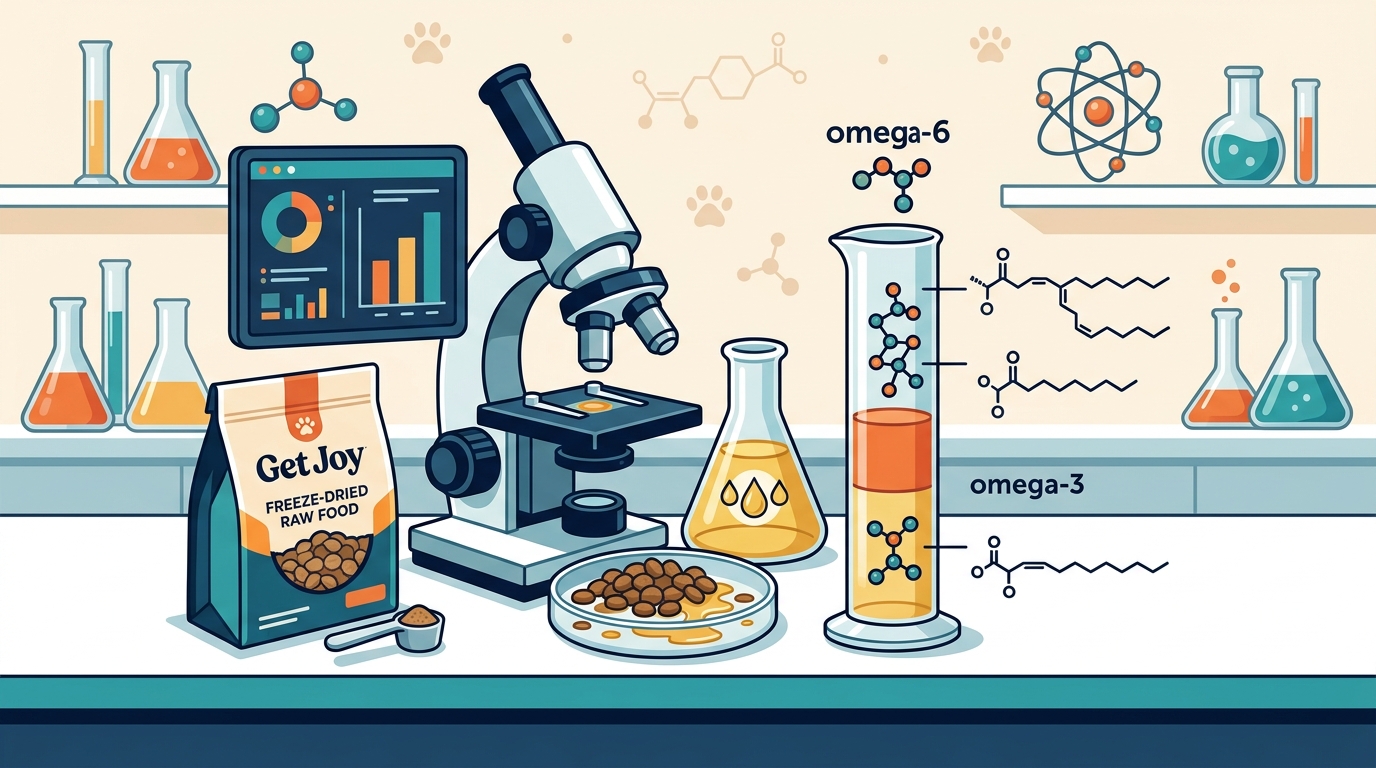
Omega-6 to Omega-3 Ratio
Modern canine diets often feature a severely skewed fatty acid ratio. Research published in the Journal of Animal Science demonstrates that ratios exceeding 15:1 promote systemic inflammation. Healthy biological systems require a balanced 5:1 or lower ratio for proper immune regulation. Seed oils heavily favor omega-6 fatty acids, which compete with omega-3 pathways. This competition prevents cells from utilizing anti-inflammatory compounds effectively.
Cellular Impact
Chronic inflammation directly affects joint mobility, skin integrity, and organ function. Excessive omega-6 consumption accelerates oxidative stress across tissue membranes. Inflammation is a biological immune response that becomes chronic when omega-6 fatty acids dominate the diet. Dogs may experience slower recovery times after physical activity. Long-term exposure correlates with increased susceptibility to autoimmune conditions.
Recognizing Adverse Reactions
Skin Symptoms
Dermatological issues frequently signal underlying dietary imbalances. Persistent itching, flaky patches, and recurring ear infections often trace back to poor fat quality. Veterinary dermatology guidelines recommend eliminating industrial seed oils when managing chronic dermatitis. Healthy skin requires balanced lipid support to maintain the natural moisture barrier. Owners should monitor coat shine and shedding patterns closely.
Digestive Signs
Gastrointestinal distress manifests as irregular bowel movements or unexplained gas. Seed oils lack the digestive enzymes required for efficient breakdown. Malabsorption syndrome develops when the pancreas struggles to process refined fats. Dogs may exhibit weight loss despite adequate caloric intake. Switching to whole-food fat sources often resolves these digestive bottlenecks.
Safer Fat Alternatives
Animal-Based Fats
Whole animal fats provide biologically compatible lipid profiles for canine metabolism. Chicken fat and salmon oil deliver essential omega-3 compounds naturally. These sources support joint lubrication and cognitive development. Freeze-dried raw formulations often preserve these delicate nutrients through cold-processing techniques. Explore our complete product lineup to discover nutritionally balanced options. Animal-based fats align perfectly with evolutionary dietary requirements.
Cold-Pressed Plant Oils
Cold-pressed extraction preserves natural antioxidants and prevents molecular degradation. Extra virgin olive oil and coconut oil offer stable, anti-inflammatory alternatives. These oils remain liquid at room temperature without chemical solvents. Plant-based fats should complement rather than replace animal-derived nutrients. Moderation ensures optimal absorption without overwhelming the digestive system.
Reading Ingredient Labels
Hidden Sources
Manufacturers frequently disguise seed oils under generic terminology. Terms like vegetable oil or plant-based fat mask the specific source material. Ingredient transparency remains the most reliable indicator of food quality. Always verify the primary fat source before purchasing. Reputable brands list specific oils rather than vague categories. This transparency allows owners to make informed dietary decisions.
Certification Standards
Third-party testing verifies fat purity and eliminates industrial contaminants. National Institutes of Health guidelines emphasize the importance of verified lipid sourcing. Look for certifications that guarantee cold-pressed extraction methods. These standards ensure your dog receives maximum nutritional benefit. Certification marks provide peace of mind during the purchasing process.
Transitioning Your Dog Safely
Gradual Mixing
Sudden dietary changes trigger severe gastrointestinal upset in most dogs. A seven-day transition schedule allows the microbiome to adapt gradually. Start by mixing twenty-five percent new food with seventy-five percent old food. Increase the new ratio by twenty-five percent daily until fully switched. This method minimizes digestive stress and supports consistent energy levels.
Monitoring Protocols
Track behavioral changes and stool consistency throughout the transition period. Note improvements in coat quality, energy levels, and digestion speed. Adaptation timelines typically range from two to four weeks. Document any adverse reactions and consult your veterinarian if symptoms persist. Consistent monitoring ensures a successful dietary shift without compromising health.
Comparing Fat Sources
| Fat Source | Omega-6 Content | Processing Method | Canine Compatibility |
|---|---|---|---|
| Soybean Oil | High | Industrial Refining | Low Compatibility |
| Canola Oil | Moderate | High-Heat Extraction | Moderate Compatibility |
| Chicken Fat | Low | Cold-Pressed | High Compatibility |
| Salmon Oil | Very Low | Freeze-Dried | Optimal Compatibility |
Key Takeaways
- Over 60 percent of commercial kibble contains industrial seed oils that trigger inflammation.
- Omega-6 to omega-3 ratios exceeding 15:1 disrupt cellular lipid balance.
- Chronic dermatitis and digestive irregularities often trace back to poor fat quality.
- Cold-pressed animal fats provide biologically compatible nutrients for canine metabolism.
- Ingredient transparency remains the most reliable indicator of food quality.
- Gradual seven-day transitions prevent gastrointestinal upset during dietary shifts.
- Third-party certifications verify lipid purity and eliminate industrial contaminants.
Frequently Asked Questions
Can seed oils cause allergies in dogs?
Seed oils rarely trigger true IgE-mediated allergies, but they frequently exacerbate existing inflammatory conditions. The high omega-6 content competes with anti-inflammatory pathways, worsening skin and joint symptoms. Eliminating industrial seed oils often resolves chronic itching without requiring strict allergen avoidance.
How do I identify seed oils in pet food?
Look for generic terms like vegetable oil, plant-based fat, or specific seed names on the ingredient list. Reputable manufacturers list exact oil types rather than vague categories. Review our detailed blog guides to learn how to decode complex ingredient labels accurately.
Are cold-pressed oils safe for puppies?
Cold-pressed oils provide essential fatty acids required for brain development and immune system maturation. These oils remain stable without chemical solvents, making them ideal for growing canines. Always introduce new fats gradually to support developing digestive enzymes.
What is the ideal omega ratio for dogs?
Healthy canine metabolism functions optimally with an omega-6 to omega-3 ratio between 5:1 and 8:1. Ratios exceeding 15:1 promote systemic inflammation and compromise cellular health. Balancing fat sources ensures proper immune regulation and long-term wellness.
Can switching oils improve my dog's coat?
Switching to biologically compatible fats directly improves coat shine, reduces shedding, and strengthens the skin barrier. Animal-based oils deliver essential nutrients that support follicle health naturally. Most owners notice visible improvements within three to four weeks of dietary adjustment.
Is coconut oil better than seed oils for dogs?
Coconut oil contains medium-chain triglycerides that support metabolic function without promoting inflammation. Seed oils heavily favor omega-6 fatty acids, which compete with anti-inflammatory pathways. Moderate coconut oil supplementation offers a stable, anti-inflammatory alternative for daily feeding. (Coconut Oil The)
How long does it take to reverse seed oil damage?
Cellular turnover typically requires two to four months to fully replace inflammatory lipid deposits. Consistent feeding of balanced fats accelerates tissue repair and restores normal immune function. Patience during the transition period ensures lasting health improvements.
Take the Next Step
Stop compromising your dog's long-term wellness with cheap fillers. Visit our main store to explore nutritionally complete, freeze-dried raw meals designed for optimal gut health. Our cold-processed formulations preserve essential fats while eliminating industrial seed oils. Browse our complete product lineup today and give your pet the biological nutrition they deserve. Schedule a consultation with our nutrition specialists to build a custom feeding plan tailored to your dog's specific needs.