
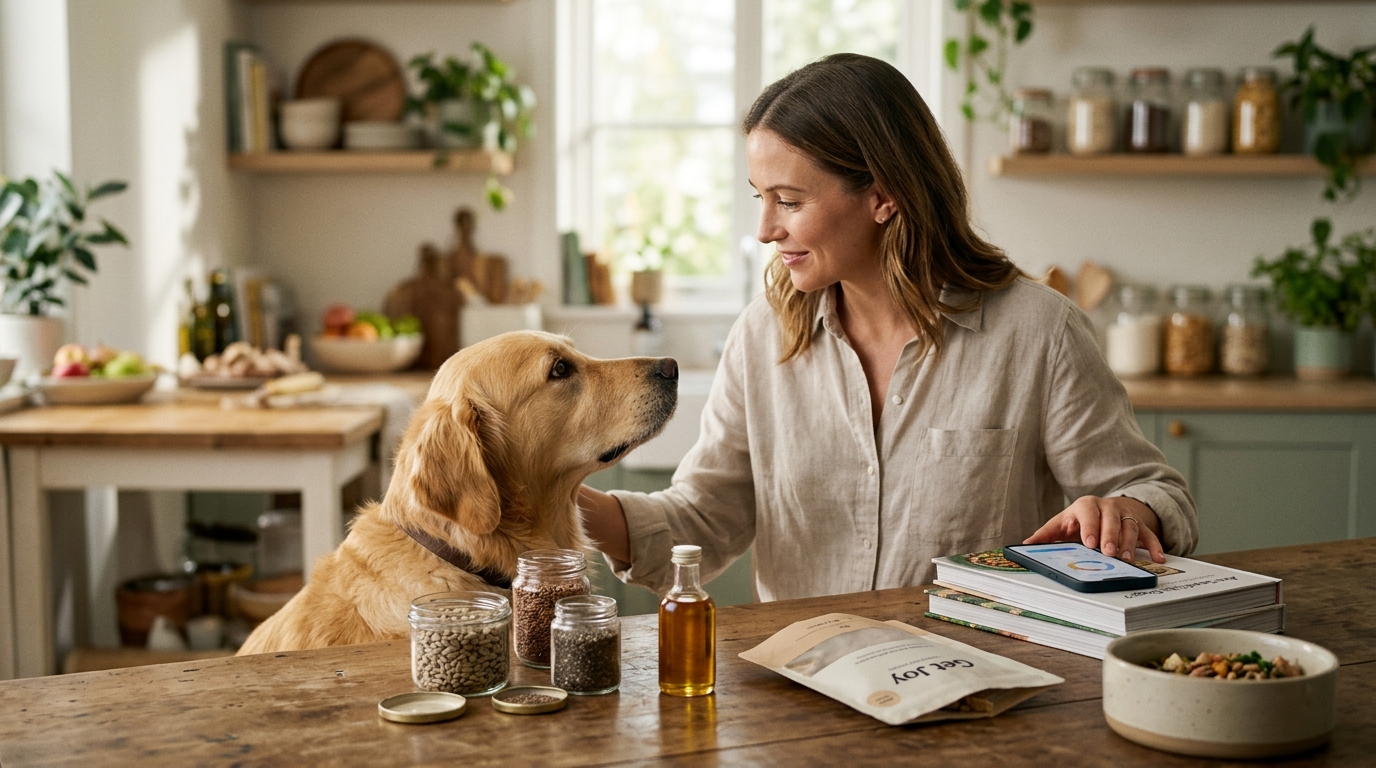
Seed oils have become one of the most debated ingredients in human nutrition, and the conversation has officially crossed over to the dog bowl. As a pet parent scanning ingredient labels, you may have spotted canola oil, sunflower oil, or soybean oil in your dog's food and wondered whether they belong there. The short answer is nuanced: seed oils are not inherently toxic to dogs, but the type, quality, and quantity matter enormously. In this guide, we break down the science behind seed oils, explain the omega-6 to omega-3 ratio, and show you how to choose nutrition that truly supports your dog's long-term wellness.
What Are Seed Oils?
Seed oils are oils extracted from the seeds of various plants. Common examples include sunflower oil, soybean oil, corn oil, canola oil, and safflower oil. These oils are rich in polyunsaturated fatty acids (PUFAs), particularly omega-6 fatty acids such as linoleic acid (LA).
Linoleic acid is an essential fatty acid for dogs, meaning they cannot produce it on their own and must get it from food. It plays a role in skin barrier function, coat quality, and cell membrane integrity. However, the issue is not whether dogs need LA at all. It is how much they consume relative to omega-3 fatty acids.
The Omega-6 to Omega-3 Imbalance Problem
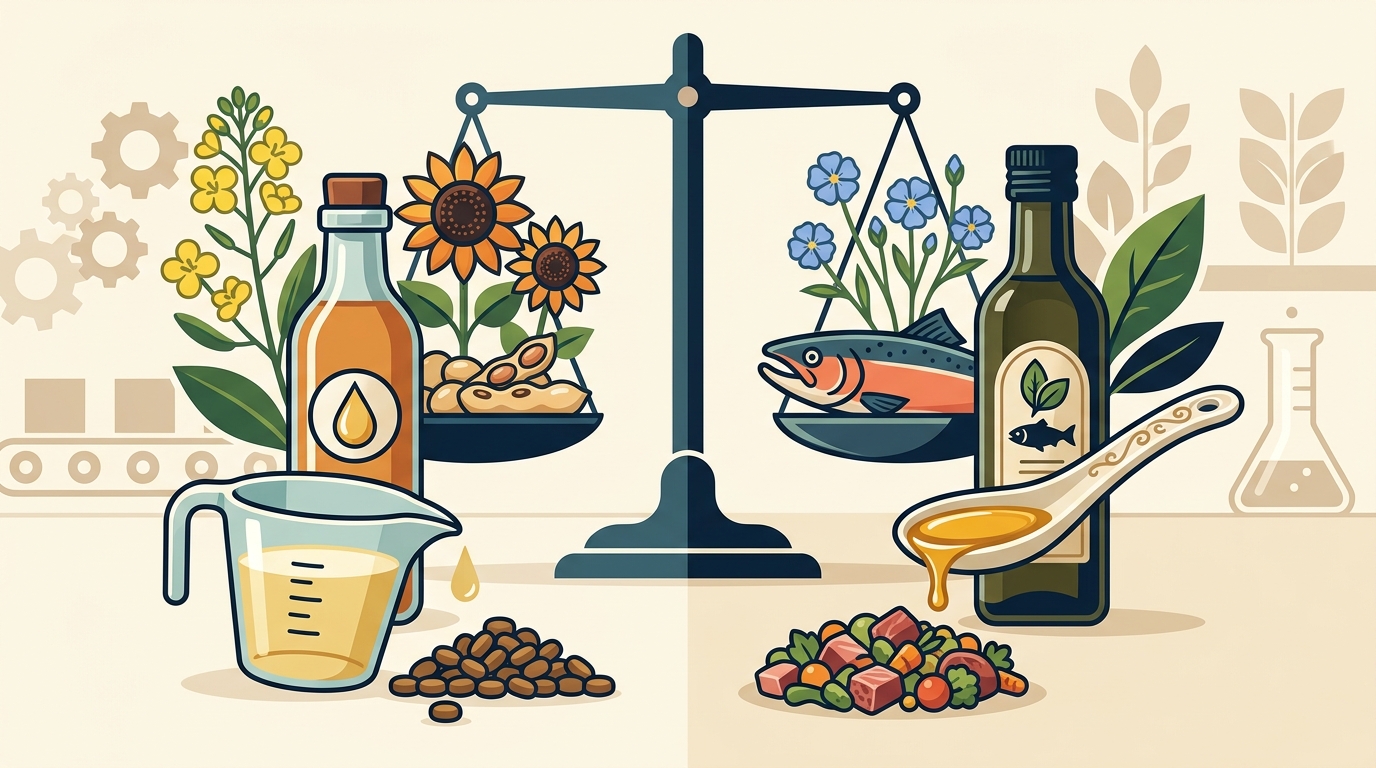
The ratio of omega-6 to omega-3 fatty acids in your dog's diet directly influences inflammation, immune function, and chronic disease risk. The National Research Council (NRC) suggests an optimal omega-6 to omega-3 ratio for dogs between 2:1 and 5:1. However, many commercial dog foods have ratios ranging from 10:1 to over 30:1, driven largely by cheap seed oil ingredients.
A study published in the Journal of Nutrition found that feeding dogs a diet with a 5:1 omega-6 to omega-3 ratio had a positive effect on immune response in both young and geriatric dogs. When the balance tips too far toward omega-6, dogs lose that protective benefit.
| Fat Source | Primary Fatty Acid | Omega-6:Omega-3 Ratio | Concern Level |
|---|---|---|---|
| Corn oil | Omega-6 (LA) | ~46:1 | High |
| Soybean oil | Omega-6 (LA) | ~7:1 | Moderate |
| Sunflower oil | Omega-6 (LA) | ~40:1 | High |
| Salmon oil | Omega-3 (EPA/DHA) | ~1:3 (favors omega-3) | Low |
| Flaxseed | Omega-3 (ALA) | ~1:4 (favors omega-3) | Low |
| Coconut oil | MCTs (saturated) | N/A | Low |
How Seed Oils May Promote Inflammation in Dogs
Omega-6 fatty acids, particularly arachidonic acid derived from linoleic acid, are precursors to pro-inflammatory compounds like prostaglandin E2 and leukotriene B4. Omega-3 fatty acids (EPA and DHA) produce anti-inflammatory mediators called resolvins and protectins. The ratio of substrate available determines which mediators dominate in your dog's body.
Chronic low-grade inflammation driven by omega-6 excess can contribute to joint pain, allergies, digestive problems, and even heart disease. A 2010 study in the Journal of the American Veterinary Medical Association demonstrated that omega-3 supplementation reduced inflammatory markers and improved clinical outcomes in dogs with osteoarthritis. Dogs with pre-existing conditions may experience worsened symptoms when their diet is heavy in omega-6 from seed oils.
The Gut Health Connection
Inflammation does not stay localized. It can compromise the gut lining, weaken immune defenses, and disrupt the microbiome. Since roughly 70% of a dog's immune cells reside in the gut, dietary choices that promote chronic inflammation can have cascading effects on whole-body health. That is why brands focused on dog gut health prioritize balanced fatty acid profiles alongside prebiotics, probiotics, and postbiotics.
Processing Concerns: Refining, Oxidation, and AGEs
Beyond fatty acid imbalance, how seed oils are manufactured raises additional red flags. Most commercial seed oils undergo heavy processing that includes chemical extraction with hexane, bleaching, and deodorizing. This refining process strips beneficial compounds like vitamin E and natural antioxidants from the oil.
Seed oils are also prone to oxidation when exposed to the high temperatures used in kibble manufacturing. Oxidized oils can generate Advanced Glycation End products (AGEs). AGEs are glycotoxins formed when sugars react with proteins or lipids under heat, and they accumulate in body tissue, contributing to oxidative stress and metabolic dysfunction. One researcher at Virginia Commonwealth University has estimated that dog food may contain up to 100 times more AGEs than human food.
Why Minimally Processed Food Matters
Choosing freeze-dried raw dog food or gently cooked fresh meals reduces your dog's exposure to heat-damaged oils. Freeze-drying preserves raw ingredients at very low temperatures, maintaining the integrity of healthy fats like salmon oil and flaxseed without the oxidation risks associated with high-heat extrusion.
Healthier Fat Alternatives for Dogs
Not all fats are created equal. Here are the sources that veterinary nutritionists generally recommend over conventional seed oils:
- Salmon oil: Naturally rich in EPA and DHA omega-3 fatty acids with anti-inflammatory properties that support skin, coat, and joint health.
- Flaxseed: A plant-based source of omega-3 (ALA) plus fiber and lignans with antioxidant properties. Note that dogs convert ALA to EPA and DHA very inefficiently, so flaxseed works best alongside a marine omega-3 source.
- Coconut oil: Contains medium-chain triglycerides (MCTs) that are easily digestible and provide quick energy, plus potential immune system benefits.
- Animal fats from quality proteins: Fats naturally present in USDA-sourced beef, chicken, or lamb provide a balanced nutrient profile when the animal is raised well.
Get Joy's recipes use salmon oil and flaxseed as primary fat sources rather than cheap seed oils, supporting a healthier omega ratio in every bowl.
What to Look for on a Dog Food Label
Reading ingredient panels can feel overwhelming, but a few simple rules help you avoid problematic seed oils:
Red Flags
- Corn oil, soybean oil, or generic "vegetable oil" listed in the first ten ingredients
- Multiple seed oil sources stacked together (a sign of cost-cutting)
- No identified omega-3 source such as fish oil or salmon oil
Green Flags
- Named animal proteins as the first ingredients
- Identified omega-3 sources like salmon oil or fish oil
- Whole-food ingredients you can recognize
- Recipes free from wheat, soy, and dairy, like Get Joy's product line
- Added gut-health support such as prebiotics, probiotics, and postbiotics
Get Joy's Freeze Dried Raw recipes are formulated by ACVN Board Certified Veterinary Nutritionists and include Belly Biotics, a proprietary blend of prebiotics, probiotics, and postbiotics designed to optimize gut health from the inside out. Every recipe is free from common allergens like wheat, soy, and dairy.
Key Takeaways
- Seed oils are not toxic to dogs, but excess omega-6 from these oils can promote chronic inflammation.
- The ideal omega-6 to omega-3 ratio for dogs is between 2:1 and 5:1; many commercial foods exceed 20:1.
- Heavy refining and high-heat processing of seed oils can generate harmful oxidation byproducts and AGEs.
- Salmon oil, flaxseed, and quality animal fats are superior alternatives that support anti-inflammatory pathways.
- Gut health and fatty acid balance are deeply connected; inflammation from poor fats can compromise the microbiome.
- Freeze-dried raw and gently cooked foods avoid the high-heat processing that damages fats in kibble.
- Always look for named fat sources and an identified omega-3 ingredient on your dog's food label.
Frequently Asked Questions
Are all seed oils bad for dogs?
No. Seed oils are not inherently dangerous. Linoleic acid from seed oils is actually an essential nutrient for dogs. The problem arises when seed oils are used excessively, creating an omega-6 to omega-3 imbalance that promotes inflammation. Quality and quantity matter more than blanket avoidance.
What is the ideal omega-6 to omega-3 ratio for dogs?
Most veterinary nutritionists and the National Research Council recommend a ratio between 2:1 and 5:1. Some dermatologists advocate for ratios approaching 1:1 for dogs with inflammatory skin conditions. Many commercial kibbles exceed 20:1.
Can seed oils cause allergies in dogs?
Seed oils themselves are not common allergens. However, the chronic inflammation caused by excessive omega-6 intake can worsen allergic responses and skin conditions like atopic dermatitis, making symptoms appear more severe.
What oils should I look for in dog food?
Look for salmon oil or fish oil as a primary omega-3 source, flaxseed for additional plant-based omega-3s and fiber, and quality animal fats from named protein sources. Avoid foods that rely on corn oil, soybean oil, or generic vegetable oil as primary fat sources.
Is coconut oil safe for dogs?
Yes. Coconut oil contains medium-chain triglycerides that are easily digestible and may support immune function and energy levels. It does not contain significant omega-6, so it will not contribute to fatty acid imbalance. Introduce it gradually to avoid digestive upset.
Does kibble contain more damaged fats than fresh or freeze-dried food?
Generally, yes. Kibble is manufactured through high-heat extrusion, which can oxidize polyunsaturated fats and generate AGEs. Freeze-dried raw food is processed at very low temperatures, preserving the integrity of healthy fats. Learn more about freeze-dried raw nutrition.
How does gut health relate to seed oil consumption?
Excess omega-6 promotes systemic inflammation, which can damage the intestinal lining and disrupt the gut microbiome. Supporting your dog's gut with balanced fats alongside functional nutrition that includes prebiotics, probiotics, and postbiotics helps maintain digestive and immune health.
Give Your Dog Better Fats, Better Health
Your dog deserves nutrition built on science, not cheap fillers. Get Joy's vet-formulated recipes use salmon oil and flaxseed instead of inflammatory seed oils, and every meal includes Belly Biotics to support gut health from within. Try Get Joy's Freeze Dried Raw meals today and see the difference that real, functional nutrition makes.