

Seed oils have become one of the most debated ingredients in both human and canine nutrition. If you have been scrolling social media, you have probably seen warnings about corn oil, sunflower oil, and canola oil showing up in your dog's food. But are seed oils actually harmful to dogs, or is the concern overblown? The answer is nuanced. While dogs do need certain fatty acids found in seed oils, excessive amounts and heavy processing can create real health risks. In this guide, we break down the science, explain the omega-6 problem, and show you what to look for in healthier dog food alternatives.
What Are Seed Oils?
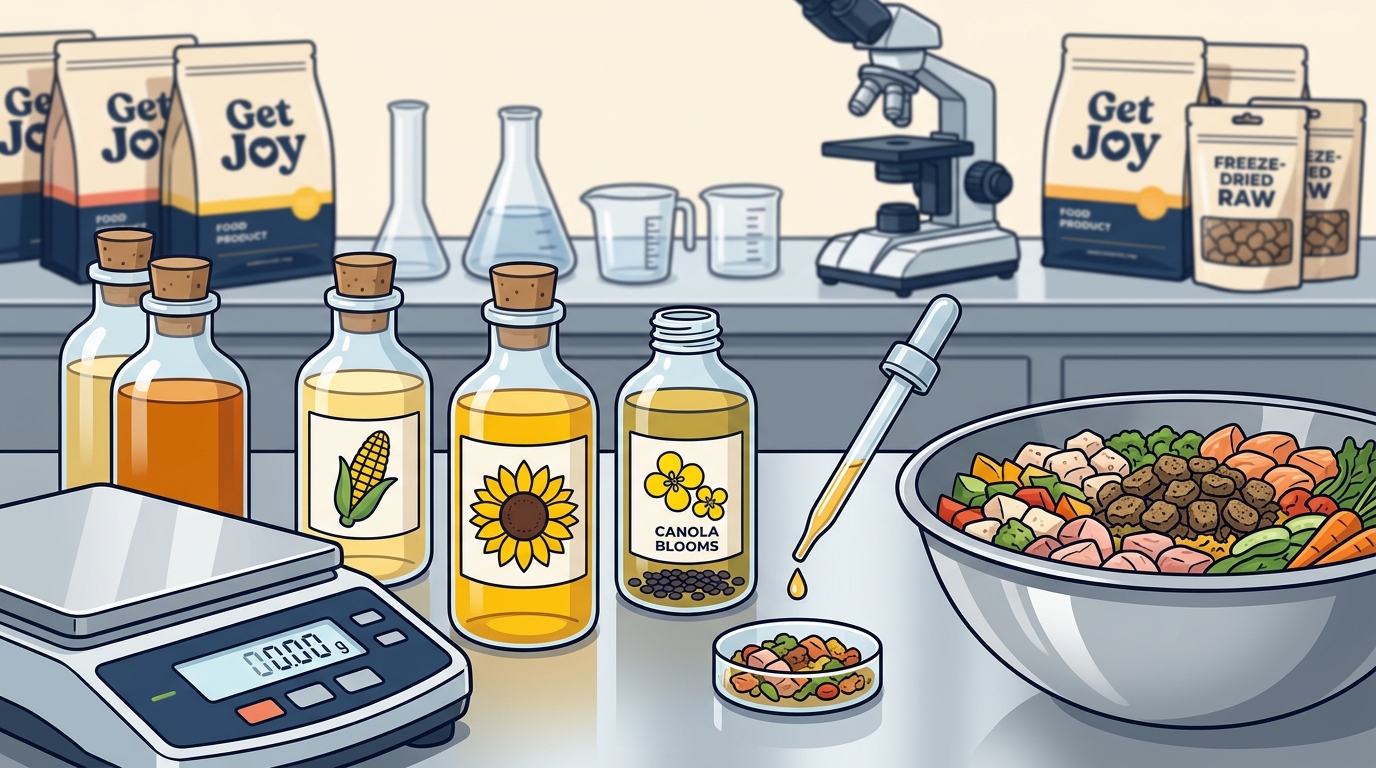
Seed oils are oils extracted from the seeds of various plants. Common examples include sunflower oil, soybean oil, corn oil, safflower oil, and canola oil. These oils are widely used in commercial dog food because they are inexpensive and provide a concentrated source of fat.
Dogs require two essential fatty acids in their diet: the omega-6 linoleic acid (LA) and the omega-3 alpha-linolenic acid (ALA). Seed oils deliver LA in abundance, but the trouble begins when that abundance tips the scale too far.
The Omega-6 and Omega-3 Imbalance Problem
The ideal ratio of omega-6 to omega-3 fatty acids for dogs is thought to be around 5:1 or even less. However, many commercial pet foods dramatically exceed this, mirroring the human diet where ratios can reach 20:1 or even 30:1.
| Fatty Acid Ratio | Classification | Typical Source |
|---|---|---|
| 5:1 or lower (omega-6 to omega-3) | Ideal / Anti-inflammatory | Whole-food diets with fish oil, flaxseed |
| 10:1 to 15:1 | Moderately imbalanced | Some fresh dog foods |
| 20:1 to 30:1 | Highly inflammatory | Kibble heavy in corn, soy, or safflower oil |
Linoleic acid (LA) is an essential nutrient for dogs, meaning they cannot produce it on their own. Without it, dogs can develop dry skin, poor coat quality, and reproductive challenges. However, once the basic dietary need for LA is met, additional omega-6 from seed oils contributes to pro-inflammatory pathways rather than health benefits.
Why the Ratio Matters More Than the Amount
Omega-6 and omega-3 fatty acids compete for the same enzymes in the body. When omega-6 dominates, it suppresses the anti-inflammatory benefits of omega-3s. This is why a balanced ratio is essential for keeping inflammation in check and supporting your dog's gut health and immune function.
How Seed Oil Processing Affects Your Dog
Beyond the fatty acid imbalance, the way seed oils are manufactured raises separate concerns. Most commercial seed oils are produced through solvent extraction using the petroleum product hexane. The oils then undergo refining, bleaching, and deodorizing, which strips away beneficial compounds like vitamin E and natural antioxidants.
Oxidation and AGEs
Seed oils are prone to oxidation, especially when exposed to heat during kibble manufacturing. This oxidation can generate Advanced Glycation End products (AGEs). AGEs are glycotoxins formed by non-enzymatic reactions between sugars and proteins or lipids. High AGE consumption is linked to metabolic dysfunction, oxidative stress, and increased risk of chronic diseases in both humans and dogs.
One veterinary researcher has estimated that dog food can contain roughly 100 times more AGEs than human food, potentially reducing canine quality of life and lifespan.
Seed Oils, Inflammation, and Long-Term Health Risks
Chronic inflammation is a root cause of many serious health conditions in dogs. Excessive omega-6 fatty acids from seed oils can promote inflammation that contributes to joint pain, allergies, digestive problems, and weakened immunity. Dogs with pre-existing conditions may experience worsened symptoms when their diet is rich in omega-6 from processed seed oils.
Inflammation is a necessary process for healing, but an imbalance in omega-6 fatty acids can lead to excessive, chronic inflammatory conditions. This is why choosing foods with intentionally balanced fatty acid profiles matters so much for your dog's long-term wellness. Exploring holistic canine care strategies can help you address inflammation through diet and lifestyle.
Not All Seed Oils Are Created Equal
It is important to note that the seed oil category is broad. Not every oil extracted from a seed carries the same risk profile. Hemp seed oil, for example, offers a more favorable omega ratio and can provide health benefits. Flaxseed is a good source of omega-3 ALA along with fiber and antioxidant lignans.
On the other hand, some seed-derived oils like grapeseed oil may pose additional risks for dogs due to compounds related to tartaric acid toxicity. Always evaluate each oil individually rather than applying a blanket rule.
What to Watch for on Labels
Check your dog's food ingredient list for corn oil, soybean oil, safflower oil, sunflower oil, or generic "vegetable oil." These are the most common high-omega-6 seed oils used in commercial pet food. If they appear near the top of the list, your dog may be getting far more omega-6 than needed.
Healthier Fat Sources for Dogs
The best approach is to choose dog foods that source their fats from whole, minimally processed ingredients. Get Joy's Freeze-Dried Raw meals use omega-3-rich ingredients like flaxseed and fish oil rather than relying on cheap seed oils. These ingredients support healthy skin, coat, joints, and help reduce inflammation naturally.
Get Joy recipes are developed by ACVN Board Certified Veterinary Nutritionists who prioritize a balanced fatty acid profile alongside the brand's proprietary Belly Biotics blend of prebiotics, probiotics, and postbiotics. Belly Biotics is a precision blend built directly into the food to support digestion, immunity, and whole-body wellness from the inside out.
Better Fat Alternatives at a Glance
| Fat Source | Primary Benefit | Omega Profile |
|---|---|---|
| Fish oil | Anti-inflammatory, skin and coat | High omega-3 (EPA/DHA) |
| Flaxseed | Fiber, antioxidants, heart health | High omega-3 (ALA) |
| Coconut oil (MCTs) | Quick energy, immune support | Neutral (saturated) |
| Olive oil | Antioxidants, heart health | High monounsaturated |
| Corn / soybean oil | Cheap filler fat | Very high omega-6 |
When you choose whole-food nutrition with intentional fat sourcing, you give your dog the building blocks for less inflammation, better digestion, and more energy. Explore superfoods that boost your dog's nutrition for more ideas on functional ingredients.
Key Takeaways
- Seed oils are oils extracted from plant seeds like corn, soy, sunflower, and safflower, commonly found in commercial dog food.
- Dogs need small amounts of omega-6 (linoleic acid), but excess intake from seed oils drives chronic inflammation.
- The ideal omega-6 to omega-3 ratio for dogs is around 5:1; many kibbles exceed 20:1.
- Heavy processing of seed oils strips beneficial nutrients and can generate harmful AGEs.
- Not all seed oils are equally risky. Hemp seed oil and flaxseed offer better nutritional profiles.
- Whole-food dog foods using fish oil, flaxseed, and quality animal fats provide healthier fat sources.
- Supporting your dog's gut health with balanced nutrition and functional ingredients like prebiotics, probiotics, and postbiotics helps counteract inflammation.
Frequently Asked Questions
Are all seed oils bad for dogs?
No. The concern is primarily with highly processed, high-omega-6 oils like corn, soybean, and safflower oil used in large quantities. Some seed-derived oils, like flaxseed and hemp seed oil, offer beneficial omega-3s and antioxidants when used in appropriate amounts.
What is the ideal omega-6 to omega-3 ratio for dogs?
Most veterinary nutritionists recommend a ratio of around 5:1 (omega-6 to omega-3) or lower. Many commercial dog foods far exceed this, which can promote chronic inflammation.
Can seed oils cause allergies in dogs?
Seed oils themselves are not common allergens, but the chronic inflammation they promote can worsen allergy symptoms. Dogs with existing skin sensitivities may benefit from foods with lower omega-6 content and better fatty acid balance.
What are AGEs and why do they matter?
AGEs (Advanced Glycation End products) are harmful compounds formed when oils and sugars are exposed to high heat during processing. They contribute to oxidative stress and inflammation, and are found at particularly high levels in heavily processed pet foods.
What oils are safe and healthy for dogs?
Fish oil, flaxseed oil, and coconut oil are generally considered healthier options. Fish oil is especially valuable because it provides EPA and DHA, the most bioavailable forms of omega-3 for dogs.
Does Get Joy use seed oils in its recipes?
Get Joy focuses on whole-food, minimally processed ingredients. Its recipes feature omega-3-rich sources like flaxseed and fish oil, along with the proprietary Belly Biotics blend to support gut health and reduce inflammation from within.
How can I tell if my dog's food has too much omega-6?
Check the ingredient label for corn oil, soybean oil, sunflower oil, safflower oil, or generic vegetable oil, especially if they appear high on the list. You can also look for brands that disclose their omega-6 to omega-3 ratio.
Is coconut oil a good replacement for seed oils in dog food?
Coconut oil provides medium-chain triglycerides (MCTs) that are easily digestible and may support immune function. However, it is not high in linoleic acid, so it should complement rather than fully replace essential fatty acid sources in a balanced diet.
Give Your Dog Better Nutrition From the Inside Out
Your dog deserves food made with intention, not cheap filler fats. Explore Get Joy's whole-food meals featuring omega-3-rich ingredients, USDA meats, superfoods, and the gut-supporting power of Belly Biotics. Because joy truly starts from within.