

Seed oils have become one of the most debated ingredients in both human and canine nutrition. From corn and soybean oil to sunflower and safflower varieties, these refined fats show up in countless commercial dog foods. But should you be worried? The answer depends on the type of oil, how it is processed, and how much your dog is consuming. In this guide, we break down the science behind seed oils, explain why fatty acid balance matters, and share what to look for in truly healthy dog food that supports gut health and whole-body wellness.
What Are Seed Oils?
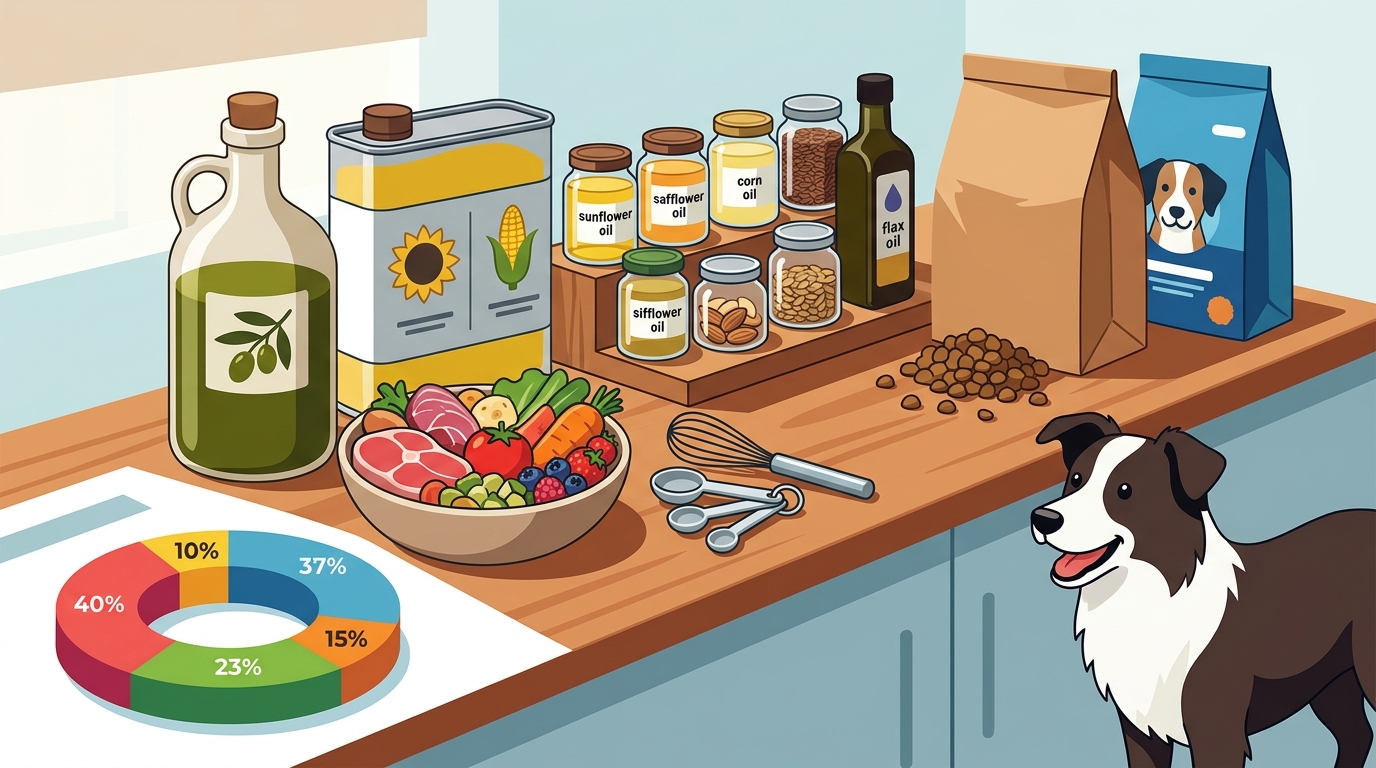
Seed oils are fats extracted from plant seeds such as corn, soybean, sunflower, safflower, and canola. They are rich in polyunsaturated fatty acids (PUFAs), particularly omega-6 fatty acids like linoleic acid (LA). Linoleic acid is an essential fatty acid, meaning your dog's body cannot produce it on its own and must obtain it from food.
While small amounts of omega-6 are necessary for healthy skin, coat, and cell function, the problem arises when dogs consume far more omega-6 than omega-3. Many commercial kibbles rely heavily on cheap seed oils to meet fat requirements, tipping the balance in the wrong direction.
The Omega-6 to Omega-3 Imbalance Problem
A healthy omega-6 to omega-3 ratio for dogs is generally considered to be around 5:1 or lower. However, diets heavy in seed oils can push this ratio to 20:1 or even 30:1, mirroring the imbalance found in the standard American diet. This skewed ratio is a core concern among veterinary nutritionists.
Dogs require only two essential fatty acids: the omega-6 linoleic acid and the omega-3 alpha-linolenic acid (ALA). Puppies additionally need the omega-3s EPA and DHA. When seed oils flood a dog's diet with excess linoleic acid, the body's inflammatory pathways can become overactivated.
| Oil Type | Primary Fatty Acid | Omega-6 Content | Potential Concern |
|---|---|---|---|
| Corn Oil | Linoleic Acid (LA) | Very High | Pro-inflammatory in excess |
| Soybean Oil | Linoleic Acid (LA) | High | Common allergen source |
| Sunflower Oil | Linoleic Acid (LA) | High | Beneficial only in controlled amounts |
| Canola Oil | Oleic / LA blend | Moderate | Heavily refined processing |
| Fish Oil | EPA & DHA | Very Low | Anti-inflammatory; supports joints |
| Coconut Oil | MCTs | Very Low | Easily digestible energy source |
How Seed Oils May Promote Inflammation in Dogs
Excess omega-6 fatty acids can promote chronic inflammation in dogs. This type of low-grade, persistent inflammation has been linked to joint pain, skin allergies, digestive problems, and weakened immune function. Dogs with pre-existing conditions may experience worsened symptoms when their diet is heavy in omega-6 from seed oils.
Inflammation is the body's natural defense mechanism, but when it becomes chronic it turns harmful. A diet built on whole-food ingredients with intentional fatty acid balance helps keep inflammatory responses in check rather than fueling them.
The Gut Health Connection
Chronic inflammation does not just affect joints and skin. It can also damage the gut lining, disrupting the microbiome and reducing nutrient absorption. This is why a gut-first approach to dog nutrition matters. Supporting the microbiome with prebiotics, probiotics, and postbiotics can help counteract the inflammatory burden that low-quality fats place on the digestive system.
Processing Concerns: Hexane, Heat, and Oxidation
Beyond their fatty acid profile, seed oils raise concerns because of how they are manufactured. Most commercial seed oils are produced through solvent extraction using hexane, a petroleum-derived chemical. The oils then undergo bleaching and deodorizing at high temperatures, which can strip beneficial compounds like vitamin E and introduce oxidative byproducts.
Advanced Glycation End Products (AGEs)
Advanced Glycation End Products, or AGEs, are harmful compounds formed when oils are exposed to repeated high heat. Research from Virginia Commonwealth University's Massey Cancer Center suggests that dog food may contain significantly higher AGE levels than human food, potentially reducing canine quality of life and lifespan. AGEs accumulate in body tissue and contribute to oxidative stress, metabolic dysfunction, and increased disease risk.
Oxidative Instability
Seed oils are prone to oxidation when exposed to heat, light, and air during processing and storage. Oxidized fats generate free radicals that cause cellular damage. This is another reason why minimally processed, whole-food-based dog nutrition is preferable to heavily processed kibble loaded with refined oils.
Not All Oils Are Created Equal
It is important to note that not every oil derived from a seed is harmful. Hemp seed oil, for example, offers a relatively balanced omega profile and anti-inflammatory benefits. The issue is specifically with highly refined, omega-6-dominant oils used in bulk to cut costs in commercial pet food.
The key distinction is quality and quantity. Small, measured amounts of high-quality oil can be part of a balanced canine diet. The problem is the overuse of cheap, industrially processed seed oils that dominate many mainstream dog foods. When evaluating your dog's food, check whether the label lists corn oil, soybean oil, or generic "vegetable oil" as a primary fat source.
Better Fat Sources for Your Dog
So what should you feed instead? Look for dog food that relies on naturally occurring fats from whole-food ingredients rather than added refined oils. Quality fat sources for dogs include:
- Animal fats from USDA-sourced meats, which provide a natural balance of fatty acids
- Fish oil rich in EPA and DHA for anti-inflammatory support
- Coconut oil containing medium-chain triglycerides (MCTs) for easily digestible energy
- Organ meats like beef liver and kidney, which deliver essential nutrients alongside healthy fats
At Get Joy, every ingredient earns its place. Our freeze-dried raw meals and fresh gently cooked meals are crafted with USDA meats, superfoods, and our proprietary Belly Biotics™ blend of prebiotics, probiotics, and postbiotics. This gut-first approach supports digestion, immunity, and whole-body wellness without relying on cheap filler oils.
Key Takeaways
- Seed oils are plant-derived fats high in omega-6 fatty acids, commonly found in commercial dog foods.
- The ideal omega-6 to omega-3 ratio for dogs is around 5:1, but many kibbles push it to 20:1 or higher.
- Excess omega-6 from seed oils can promote chronic inflammation, contributing to joint pain, allergies, and digestive issues.
- Industrial processing with hexane and high heat strips nutrients and can create harmful AGEs and oxidized byproducts.
- Not all plant oils are bad. Hemp seed oil and measured amounts of high-quality oils can be beneficial.
- Whole-food-based diets with naturally occurring fats from meat, organ meats, and fish oil are a better choice.
- Supporting your dog's gut health through functional nutrition helps counteract the effects of inflammatory ingredients.
Frequently Asked Questions
Are all seed oils toxic to dogs?
No. Seed oils are not acutely toxic, but excessive consumption of refined, omega-6-heavy seed oils can contribute to chronic inflammation over time. The concern is about quantity, quality, and balance rather than outright toxicity.
Which seed oils are most commonly found in dog food?
Corn oil, soybean oil, sunflower oil, safflower oil, and canola oil are the most common seed oils used in commercial pet food. They are inexpensive and provide the essential fatty acid linoleic acid, but they are often used in excessive amounts.
What is the ideal omega-6 to omega-3 ratio for dogs?
Most veterinary nutritionists recommend a ratio of approximately 5:1 (omega-6 to omega-3) or lower. Many commercial dog foods, however, contain ratios of 20:1 or more due to heavy reliance on seed oils.
Can seed oils cause allergies in dogs?
Seed oils themselves are not a common allergen, but the chronic inflammation they may promote can worsen allergy symptoms. Dogs with existing skin allergies or sensitivities may benefit from a diet lower in omega-6 and higher in omega-3 fatty acids.
Is sunflower oil safe for dogs?
In small, controlled amounts, sunflower oil can provide beneficial linoleic acid. The concern arises when it is used as a primary fat source in large quantities, disrupting the omega balance. A vet-formulated diet will use it judiciously if at all.
What makes Get Joy different from kibble brands that use seed oils?
Get Joy meals are made with whole-food ingredients and USDA-sourced meats rather than relying on cheap refined oils. Every recipe includes our proprietary Belly Biotics™ blend to support gut health, digestion, and immunity from the inside out.
How do I know if my dog's food contains too many seed oils?
Check the ingredient label. If corn oil, soybean oil, or "vegetable oil" appears in the first several ingredients, the food likely contains a high proportion of omega-6 fats. Look for foods that list specific animal proteins and natural fat sources instead.
Should I add fish oil to my dog's diet?
Fish oil is an excellent source of the omega-3 fatty acids EPA and DHA, which are anti-inflammatory and support heart, brain, and joint health. If your dog's current food is high in omega-6, adding a quality fish oil supplement can help restore balance. Consult your veterinarian for proper dosing.
Give Your Dog a Gut-First Diet
Your dog deserves nutrition that supports their health from the inside out. Explore Get Joy's full range of functional meals, treats, and supplements designed around whole-food ingredients and our proprietary Belly Biotics™ blend. Start with 50% off your first meal plan and see the difference real nutrition makes.