
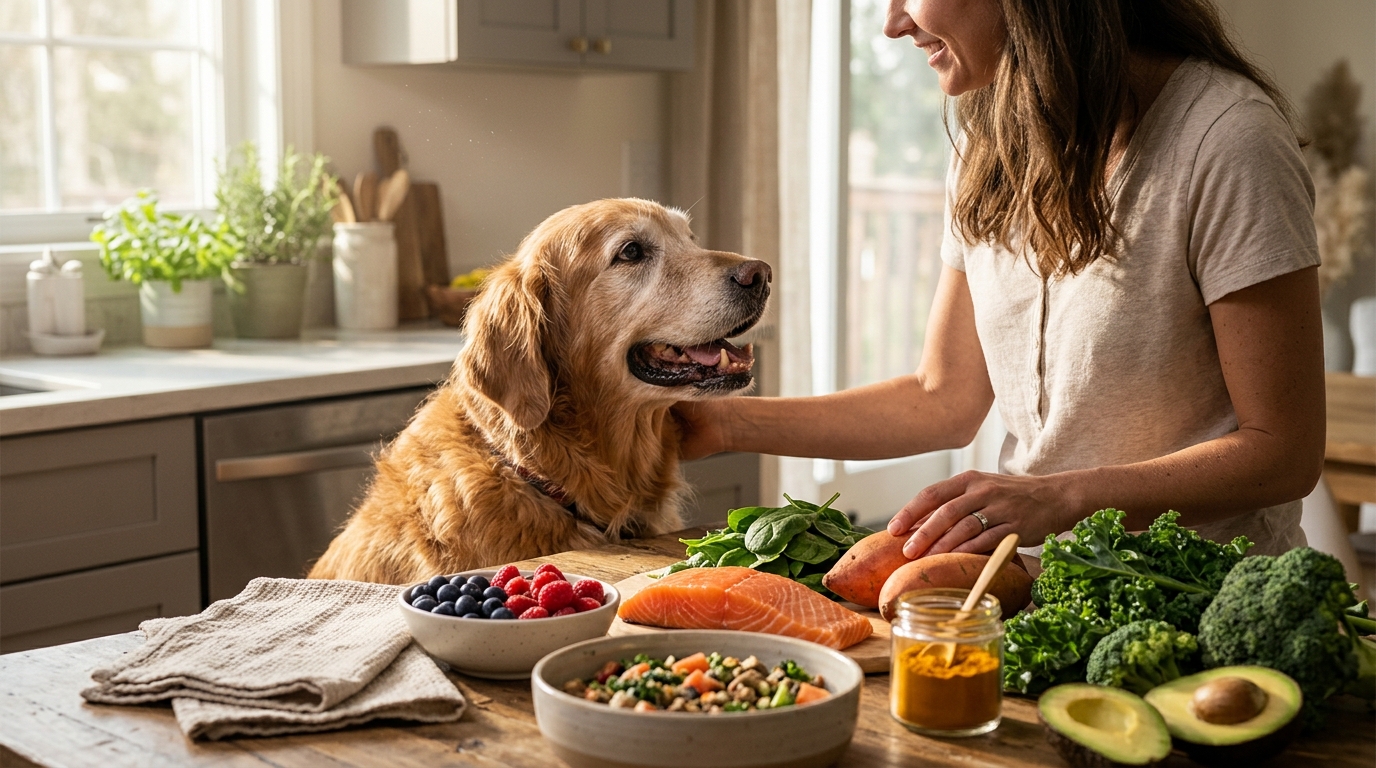
As dogs age, chronic inflammation becomes one of the biggest threats to their comfort, mobility, and longevity. A condition researchers call "inflammaging" accelerates the decline of joints, cognitive function, and immune resilience in senior dogs. The good news? What goes into your dog's bowl can make a real difference. Whole, nutrient-dense foods rich in antioxidants, omega-3 fatty acids, and phytonutrients can help manage inflammation naturally and support your dog's body as it ages. This guide covers the most effective anti-inflammatory foods, the gut-health connection, and how to build a diet that keeps your dog thriving for years to come.
What Is Inflammaging in Dogs?
Inflammaging is the gradual increase in chronic, low-grade inflammation that occurs as dogs get older. Unlike acute inflammation from an injury, inflammaging is persistent and often invisible until it manifests as joint stiffness, cognitive decline, or weakened immunity. According to veterinary research, this process is associated with chronic diseases including diabetes, cancer, osteoarthritis, and even anxiety disorders in aging dogs.
The foods your dog eats directly influence inflammatory gene expression. Diets high in saturated fats and ultra-processed ingredients tend to worsen chronic inflammation, while whole-food diets rich in antioxidants and healthy fats can significantly counteract it. This is why choosing healthy food for your dog matters more with every passing year.
Top Anti-Inflammatory Foods for Dogs
Not all healthy foods are equally powerful when it comes to fighting inflammation. Here are the most effective options, backed by veterinary nutrition science.
Omega-3-Rich Fish and Fish Oil
Fatty fish like salmon, sardines, and mackerel are rich in omega-3 fatty acids, which are among the most well-studied natural anti-inflammatory compounds. These healthy fats help reduce joint pain, support cognitive function, and promote skin and coat health. Fish oil is a staple ingredient in many functional dog food formulas for this reason.
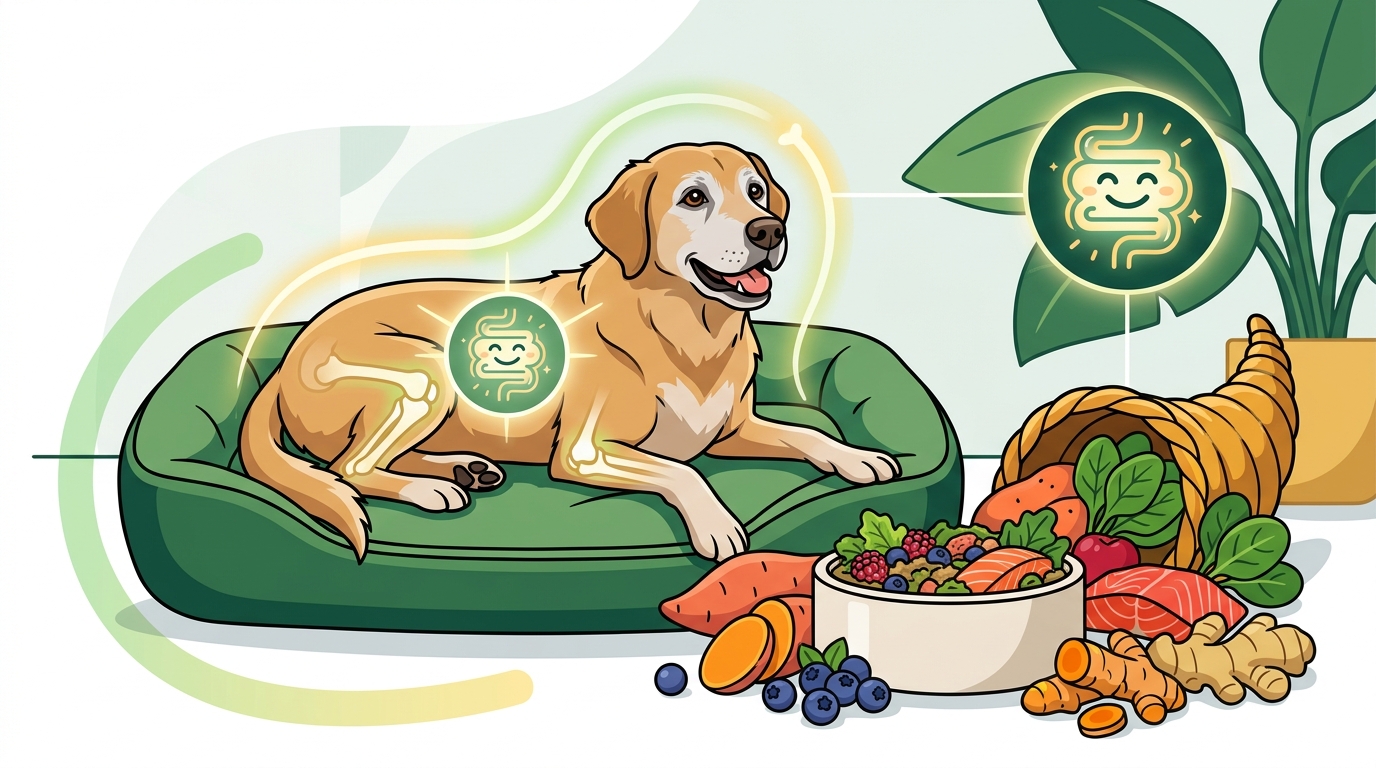
Turmeric
Turmeric is a powerful natural anti-inflammatory and antioxidant that supports joint health, immune function, and overall wellness. Its active compound, curcumin, helps reduce inflammation and promote long-term vitality. Get Joy includes turmeric in its recipes as a functional ingredient for exactly this purpose.
Blueberries
Blueberries are packed with antioxidants, especially anthocyanins, which help reduce oxidative stress and inflammation at the cellular level. For aging dogs, this can translate to better mobility, sharper cognitive function, and stronger immune support. They are low in calories and safe to feed fresh or frozen.
Green-Lipped Mussel
Green-lipped mussel is a natural source of omega-3 fatty acids, glucosamine, and chondroitin that support joint health and mobility. It helps reduce inflammation, ease stiffness, and promote overall comfort. This ingredient is featured in Get Joy's freeze-dried raw meals to deliver functional joint support in every bowl.
Ginger Root
Ginger root is a natural ingredient that supports digestive health and helps soothe upset stomachs. It also has anti-inflammatory properties that can aid joint comfort, making it especially helpful for senior dogs with declining mobility.
Sweet Potatoes and Spinach
Sweet potatoes are loaded with beta-carotene, vitamin C, and fiber, supporting gut health and providing slow-releasing carbohydrates for stable energy. Spinach is a leafy green packed with iron, fiber, and antioxidants that support immune health and cellular function. Both are staples in whole-food dog diets.
Anti-Inflammatory Food Comparison Table
| Food | Key Nutrients | Primary Benefit | How to Serve |
|---|---|---|---|
| Salmon / Sardines | Omega-3 fatty acids (EPA, DHA) | Joint, brain, and skin support | Cooked, or via fish oil supplement |
| Turmeric | Curcumin | Reduces joint inflammation | Small amounts mixed into food |
| Blueberries | Anthocyanins, vitamin C | Cellular and cognitive protection | Fresh or frozen as treats or toppers |
| Green-Lipped Mussel | Omega-3s, glucosamine, chondroitin | Joint mobility and comfort | As a supplement or in formulated meals |
| Ginger Root | Gingerol | Digestive and joint comfort | Small pinch of fresh or dried powder |
| Sweet Potatoes | Beta-carotene, fiber, vitamin C | Gut health and sustained energy | Cooked, plain, in small portions |
| Spinach | Iron, vitamin K, magnesium | Immune and muscle support | Lightly cooked, in moderation |
| Cranberries | Antioxidants, fiber | Immune and urinary tract support | Fresh or in formulated food |
The Gut Health Connection to Inflammation
Your dog's gut microbiome is an ecosystem of tiny organisms that live in the gastrointestinal tract and help carry out essential bodily processes. When this ecosystem is out of balance, inflammation increases throughout the body. In fact, research cited by veterinary nutritionists shows that 92% of dogs experience at least one symptom of microbiome imbalance.
The gut is connected to other organs throughout a dog's body, including the brain, immune system, and nervous system. A balanced, gut-focused diet supports better nutrient absorption, improved digestion, healthier mood, and increased vitality. This is why addressing inflammation starts not just with individual superfoods but with the overall health of the digestive system.
Feeding fresh, whole-food meals designed for gut health helps promote the growth of beneficial bacteria and reduces the disruption caused by processed additives and fillers.
The Role of Pre-, Pro-, and Postbiotics
Prebiotics are specific types of dietary fiber that serve as food for beneficial gut bacteria. Probiotics are the live microorganisms that make up a healthy microbiome. Postbiotics are the beneficial byproducts created when probiotics feed on prebiotics. Together, these three components form the foundation of a thriving gut.
Studies show that probiotics help reintroduce live bacteria into the gut, reducing inflammation and restoring balance. Short-chain fatty acids produced by prebiotic fermentation enhance immune system function and assist in managing inflammatory disorders like IBD.
Get Joy's proprietary Belly Biotics™ blend includes all three: prebiotics, probiotics, and postbiotics built directly into every meal rather than added as an afterthought. This approach supports digestive balance and whole-body health from the inside out.
Foods That Increase Inflammation in Dogs
Just as some foods fight inflammation, others make it worse. Ultra-processed kibble often contains artificial preservatives, fillers, and high levels of starch that can disrupt the gut microbiome. Diets high in saturated fats have been linked to increased production of pro-inflammatory molecules.
Specific foods to keep away from your dog include onions, garlic, grapes, raisins, chocolate, and xylitol. For some dogs, grains, soy, and dairy can also trigger inflammatory responses. Obesity itself is a significant driver of chronic inflammation, and research indicates that dogs fed commercial kibble diets are more likely to be overweight than those fed whole-food or raw diets.
Switching to fresh, vet-formulated meals made with human-grade ingredients and zero fillers is one of the most impactful steps you can take for your aging dog.
Key Takeaways
- Chronic inflammation, or inflammaging, is a leading cause of joint pain, cognitive decline, and disease in senior dogs.
- Omega-3 fatty acids from fish and green-lipped mussel are among the most effective natural anti-inflammatory compounds for dogs.
- Turmeric, blueberries, ginger, sweet potatoes, and spinach all provide powerful antioxidant and anti-inflammatory benefits.
- Gut health is the foundation of whole-body wellness; 92% of dogs show at least one symptom of microbiome imbalance.
- Prebiotics, probiotics, and postbiotics work together to reduce gut-related inflammation and support immune function.
- Highly processed foods, excess saturated fats, and obesity all worsen chronic inflammation in dogs.
- Feeding whole-food meals with built-in gut support, like those featuring Belly Biotics™, addresses inflammation at its root.
Frequently Asked Questions
What is the best natural anti-inflammatory food for dogs?
Fatty fish like salmon and sardines are widely considered the most effective natural anti-inflammatory food for dogs due to their high omega-3 fatty acid content. Turmeric and green-lipped mussel are also highly effective and can be incorporated through supplements or formulated meals.
Can diet alone reduce inflammation in aging dogs?
A whole-food diet rich in antioxidants and omega-3s can significantly reduce chronic inflammation. However, it works best as part of a holistic approach that includes maintaining a healthy weight, regular exercise, and veterinary guidance for specific conditions.
How does gut health affect inflammation in dogs?
The gut microbiome plays a central role in regulating the immune system. When gut bacteria are out of balance, inflammatory responses increase throughout the body. Supporting the microbiome with prebiotics, probiotics, and postbiotics helps manage inflammation systemically.
What are Belly Biotics™?
Belly Biotics™ is Get Joy's proprietary blend of prebiotics, probiotics, and postbiotics that is built directly into their dog food recipes. It is designed to support digestive balance, immune health, and whole-body wellness in every meal.
How long does it take to see results from an anti-inflammatory diet?
Most dog owners begin to notice improvements such as better mobility, energy, and digestion within four to six weeks of consistent dietary changes. For chronic conditions, it may take longer, and veterinary monitoring is recommended.
Are blueberries safe for dogs to eat every day?
Yes, blueberries are safe and beneficial as a daily treat or meal topper for most dogs. They are low in calories and rich in antioxidants. Serve them fresh or frozen in small portions appropriate for your dog's size.
What foods should I avoid giving my senior dog?
Avoid onions, garlic, grapes, raisins, chocolate, and xylitol. Ultra-processed kibble with artificial preservatives and fillers can also worsen inflammation. Some dogs are sensitive to grains, soy, and dairy as well.
Is fresh dog food better than kibble for reducing inflammation?
Fresh, whole-food diets are generally superior to kibble for managing inflammation. They avoid the high-heat processing that destroys nutrients and creates inflammatory compounds. Fresh meals also tend to support healthier gut bacteria and better weight management.
Start Feeding for Longevity
Every meal is an opportunity to support your dog's comfort, mobility, and long-term health. If you are ready to make the switch to functional, anti-inflammatory nutrition, explore Get Joy's full range of fresh meals, freeze-dried raw recipes, and gut health supplements designed by veterinary nutritionists with your dog's longevity in mind. Joy starts from within.