

If your dog struggles with recurring skin issues, mystery allergies, or unpredictable digestion, the real culprit may be hiding deeper than you think. Leaky gut syndrome is a condition where the intestinal lining becomes too permeable, allowing bacteria, toxins, and undigested food particles to escape into the bloodstream. The result is widespread inflammation that can affect everything from your dog's coat to their joints and mood. The good news? With the right diet and proactive care, leaky gut is both preventable and treatable. This guide covers what every dog parent needs to know.
What Is Leaky Gut in Dogs?
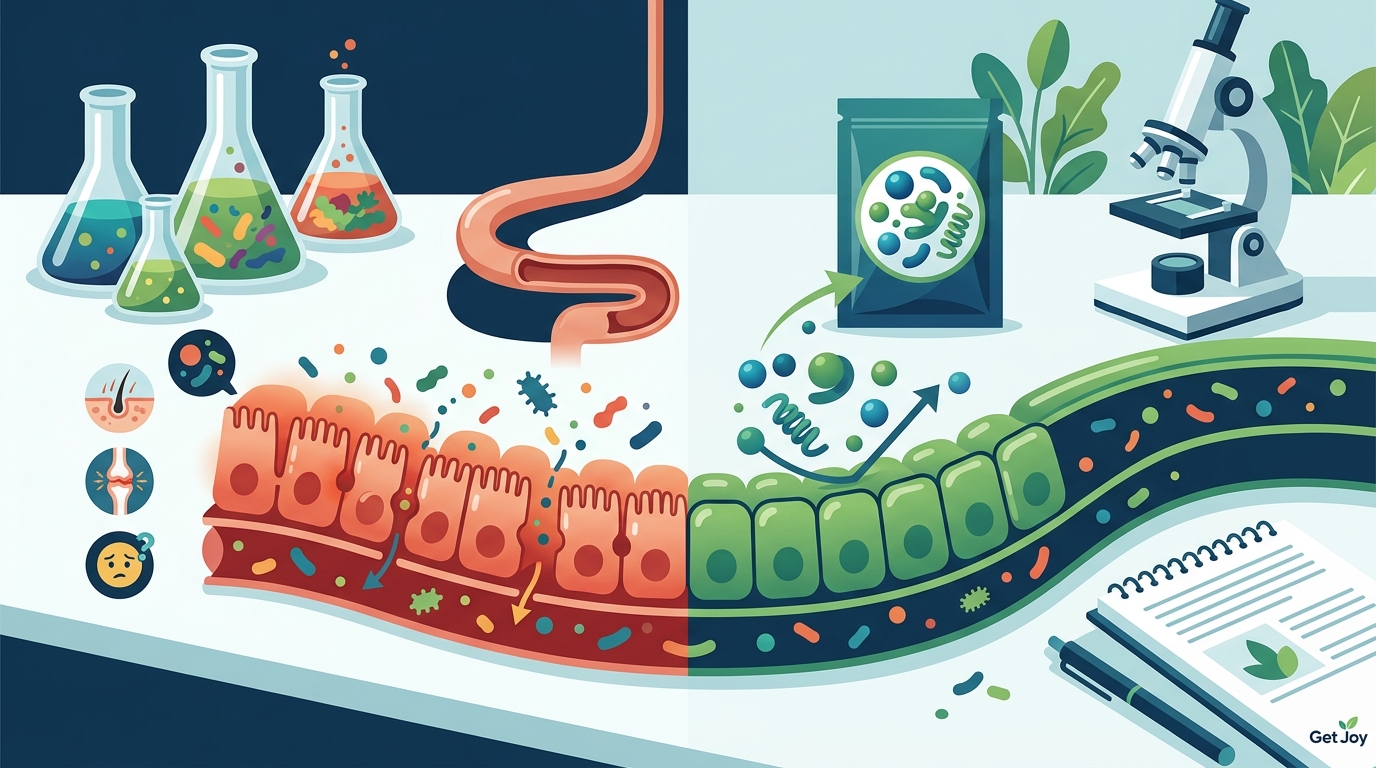
Leaky gut syndrome is a term used to describe an increase in the permeability of the intestines. In a healthy dog, the intestinal walls act as a selective barrier, keeping harmful substances like bacteria, allergens, and toxins out of the bloodstream while allowing digested nutrients through. The gut wall achieves this through structures called "tight junctions" that control what passes between cells.
When those tight junctions break down, the barrier fails. Substances that should stay inside the digestive tract cross into circulation and trigger an immune and inflammatory response throughout the body. This is why leaky gut often shows up as problems far from the stomach, including skin rashes, ear infections, and joint pain.
Common Symptoms to Watch For
Leaky gut can be tricky to identify because its signs overlap with many other conditions. However, several patterns tend to appear together:
- Chronic diarrhea or constipation
- Gas and bloating
- Recurring skin irritation, hot spots, or itching
- Persistent ear infections
- New or worsening food sensitivities
- Joint pain or stiffness
- Behavioral changes such as increased anxiety or lethargy
Because the gut is directly connected to the immune system, inflammation can radiate to virtually any organ. According to VCA Animal Hospitals, leaky gut is associated with inflammatory bowel disease, arthritis, skin disease, and chronic pancreatitis in companion animals. If your dog shows several of these signs simultaneously, a conversation with your veterinarian about intestinal permeability is worthwhile.
What Causes Leaky Gut in Dogs?
There is no single cause. Instead, several risk factors work together over time:
| Risk Factor | How It Damages the Gut |
|---|---|
| Poor diet (processed foods, fillers, grains) | Irritates the gut lining and starves beneficial bacteria |
| Chronic NSAID or steroid use | Directly damages intestinal cells and disrupts the microbiome |
| Antibiotic overuse | Wipes out beneficial bacteria, allowing pathogens to dominate |
| Chronic stress | Raises cortisol, which increases intestinal permeability |
| Environmental toxins | Pesticides and chemicals add to the gut's toxic burden |
| Underlying illness | Infections, parasites, and autoimmune conditions weaken the barrier |
Many cases develop gradually. As VCA explains, chronic exposure to food allergens, malnutrition, or long-term NSAID use can shift the intestinal bacteria population and cause ongoing inflammatory damage to the gut wall.
The Role of the Gut Microbiome
The gut microbiome is the collection of trillions of microorganisms, including bacteria, fungi, and viruses, living in your dog's digestive tract. These microbes perform essential work: breaking down fiber into short-chain fatty acids, synthesizing vitamins, and regulating the immune system.
Here is a critical fact: nearly 70% of your dog's immune system resides in the gut. When beneficial bacteria are abundant, the intestinal lining stays strong and selective. When harmful bacteria dominate, a state called dysbiosis, the lining weakens and permeability increases. Dysbiosis is the bacterial imbalance that sits at the root of most chronic leaky gut cases.
Pre-, Pro-, and Postbiotics Explained
Prebiotics are compounds in food that feed beneficial gut bacteria. Probiotics are live beneficial bacteria added to the gut. Postbiotics are the bioactive compounds produced after probiotics do their work, offering anti-inflammatory and immune-supporting benefits. Together, these three layers form a complete support system for the microbiome, which is exactly the philosophy behind Get Joy's Belly Biotics™ blend built into every recipe.
How to Prevent Leaky Gut
Feed a Whole-Food, Minimally Processed Diet
Highly processed kibble filled with synthetic additives, low-quality proteins, and grain-based fillers can chronically irritate the gut lining. Switching to whole-food meals made with real ingredients reduces that irritation and provides the nutrients your dog's gut needs to stay strong.
Support the Microbiome Daily
A daily supply of prebiotics, probiotics, and postbiotics helps maintain microbial balance. Rather than adding supplements as an afterthought, look for nutrition that integrates these elements directly, such as Get Joy's Gut+ daily supplement chews, which combine omega-3 algae, ginger extract, and a full pre-, pro-, and postbiotic blend.
Minimize Unnecessary Medications
Work with your vet to avoid prolonged NSAID, steroid, or antibiotic courses when alternatives exist. When these medications are necessary, pair them with gut-supportive nutrition to help restore microbial balance afterward.
Why Diet Is Your Strongest Tool
Diet influences both the cause and the cure. A long-term ideal diet for gut health involves more whole foods and less processing. High-quality proteins like USDA-sourced beef, chicken, or turkey, combined with fiber-rich vegetables and functional superfoods, give the intestinal lining the raw materials it needs to heal and maintain integrity.
Get Joy was built around a core belief: gut health equals whole-body health. Every recipe features vet-formulated, human-grade ingredients paired with the proprietary Belly Biotics™ trio of pre-, pro-, and postbiotics. This approach is designed to nourish beneficial gut bacteria from within rather than relying on separate supplements alone. Combined with fresh meal plans delivered to your door, it makes functional gut nutrition simple and consistent.
Key Takeaways
- Leaky gut is increased intestinal permeability that lets toxins, bacteria, and undigested proteins enter the bloodstream.
- Symptoms extend far beyond digestion, including skin problems, allergies, joint pain, and behavioral changes.
- The most common causes are poor diet, medication overuse, chronic stress, and environmental toxins.
- Nearly 70% of your dog's immune system lives in the gut, making microbiome balance essential.
- A whole-food diet rich in prebiotics, probiotics, and postbiotics is the strongest line of defense.
- Get Joy's Belly Biotics™ blend is built directly into meals and supplements for daily, consistent gut support.
- Always consult your veterinarian if you suspect leaky gut, especially before changing medications.
Frequently Asked Questions
What exactly is leaky gut syndrome in dogs?
Leaky gut syndrome is a condition in which the intestinal lining becomes overly permeable, allowing harmful substances like bacteria, toxins, and undigested food particles to pass into the bloodstream and cause systemic inflammation.
What are the most common signs of leaky gut in dogs?
Common signs include chronic diarrhea or constipation, excessive gas, recurring skin irritation, persistent ear infections, food sensitivities, joint stiffness, and unexplained changes in behavior or energy levels.
Can diet alone cause leaky gut?
Diet is one of the primary contributors. Processed foods high in fillers, grains, and artificial additives can chronically irritate the gut lining and disrupt the microbiome, increasing the risk of leaky gut over time.
Do probiotics help with leaky gut in dogs?
Yes. Probiotics help restore the balance of beneficial bacteria in the gut. They are most effective when paired with prebiotics and postbiotics for complete microbiome support, which is why Get Joy includes all three in its Belly Biotics™ blend.
How long does it take for a dog's gut to heal?
With consistent dietary and supplement support, many dogs show initial improvement within 7 to 10 days, with more significant healing occurring over 4 to 12 weeks depending on the severity of the condition.
Is leaky gut the same as dysbiosis?
Not exactly. Dysbiosis is a bacterial imbalance in the gut that often leads to leaky gut. When harmful bacteria outnumber beneficial ones, the intestinal lining weakens and becomes more permeable. The two conditions frequently occur together.
Can puppies get leaky gut?
Yes. Puppies are especially vulnerable because their gut and immune systems are still developing. Feeding a gut-supportive diet early can help establish strong digestive health from the start.
Should I see a vet if I suspect leaky gut?
Absolutely. A veterinarian can run blood tests and stool analysis to check for inflammation, nutrient deficiencies, and microbial imbalances. Professional diagnosis ensures the right treatment plan for your dog's specific situation.
Start Supporting Your Dog's Gut Today
Prevention is always better than treatment, and it starts in the bowl. Explore Get Joy's complete line of gut-healthy meals and supplements formulated with Belly Biotics™ to protect your dog's intestinal lining from the inside out. Your dog's joy starts within.