
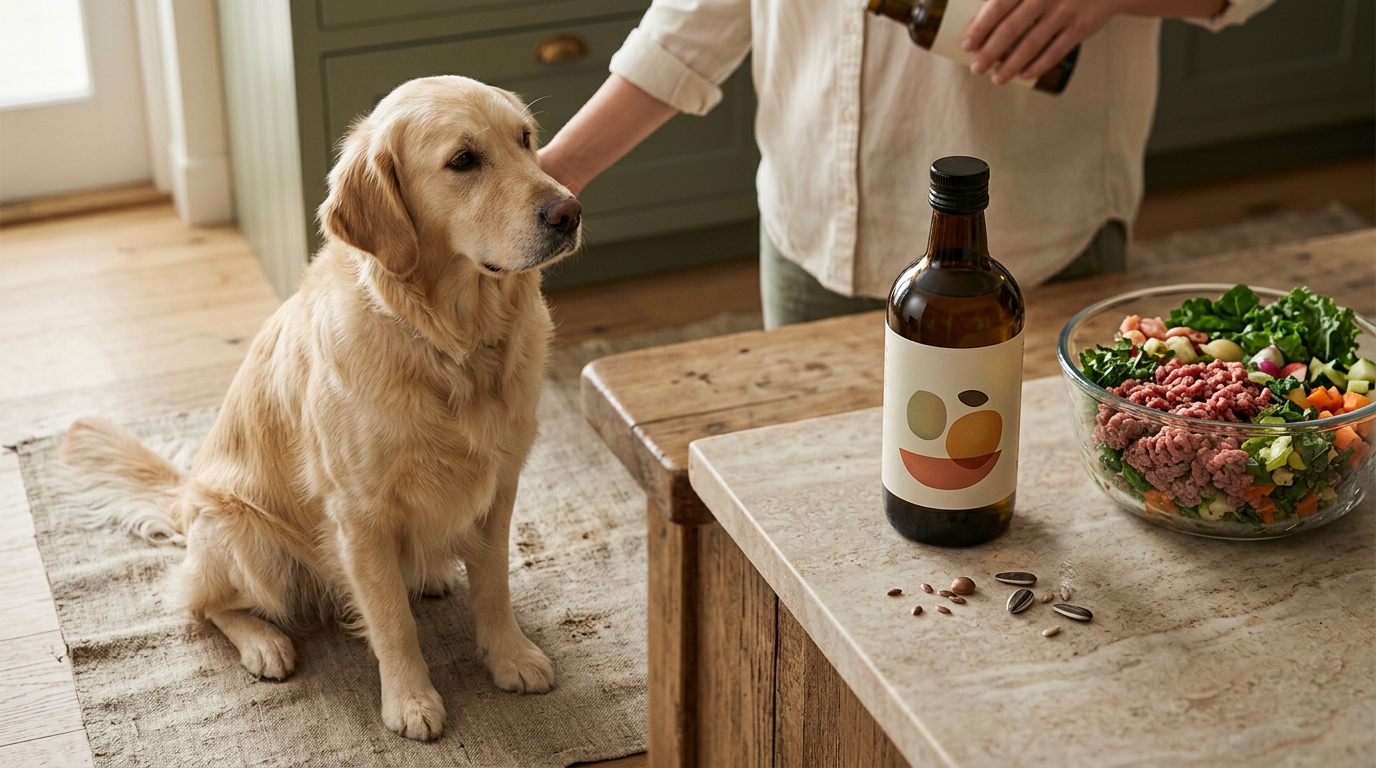
Seed oils have become one of the most debated ingredients in both human and canine nutrition. If you have scrolled past viral posts warning about the dangers of vegetable oils, you have probably wondered whether the same concerns apply to your dog's bowl. The short answer is nuanced: not all seed oils are harmful, but the way they are processed and the quantities used in many commercial dog foods can create real health risks. In this guide, we break down the science, separate fact from fear, and explain what to look for in a truly gut-healthy dog food.
What Are Seed Oils?
Seed oils are fats extracted from the seeds of plants such as corn, soybean, sunflower, safflower, and canola. They are rich in polyunsaturated fatty acids (PUFAs), including omega-6 and omega-3 fatty acids. These oils became widespread in pet food manufacturing because they are inexpensive and extend shelf life.
While dogs do need some omega-6 fatty acids for healthy skin and coat, the problem arises when these oils dominate a food's fat profile without adequate omega-3s to maintain balance.
The Omega-6 to Omega-3 Imbalance Problem
A healthy omega-6 to omega-3 ratio for dogs is thought to be around 5:1 or even lower. However, many commercial pet foods tip the scale to 20:1 or higher due to heavy reliance on seed oils. This imbalance is a core concern for canine nutrition experts.
| Oil Type | Primary Fatty Acid | Omega-6:Omega-3 Ratio | Common in Dog Food? |
|---|---|---|---|
| Corn Oil | Omega-6 (Linoleic Acid) | ~46:1 | Yes |
| Soybean Oil | Omega-6 (Linoleic Acid) | ~7:1 | Yes |
| Sunflower Oil | Omega-6 (Linoleic Acid) | ~40:1 | Yes |
| Fish Oil | Omega-3 (EPA/DHA) | Rich in Omega-3 | Less Common |
| Coconut Oil | Saturated (MCTs) | Minimal PUFAs | Rare |
When omega-6 intake dramatically outweighs omega-3, it promotes inflammatory pathways throughout the body. Supporting your dog's gut health starts with getting this ratio right.
How Processing Makes Seed Oils Worse
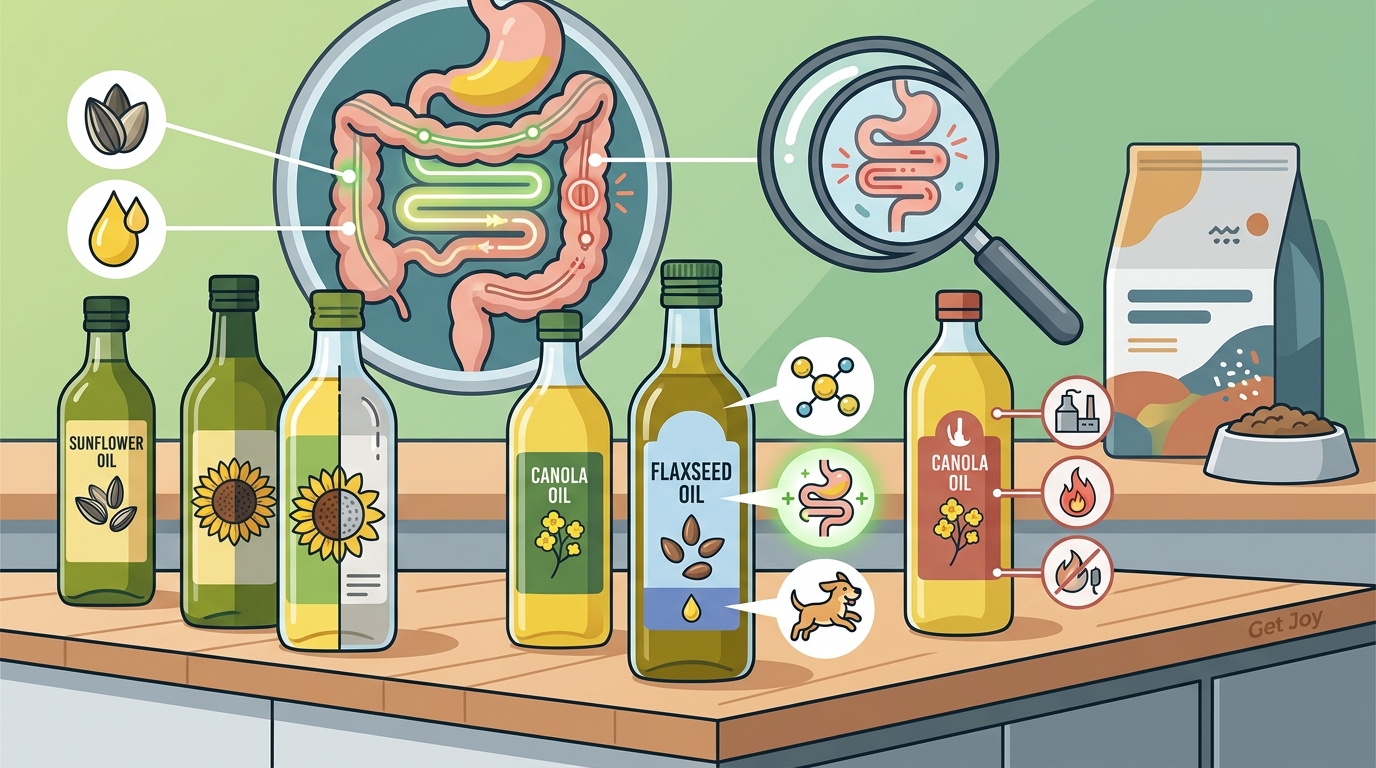
The extraction process is a major part of the problem. Most commercial seed oils are produced using solvent extraction with the petroleum product hexane. They then undergo bleaching and deodorizing, which strips away naturally occurring beneficial compounds like vitamin E.
Oxidation and Rancidity
Seed oils are highly prone to oxidation when exposed to heat, light, and air. Rancid oils contain oxygen free radicals linked to heart disease, arthritis, and digestive disorders. Some pet food manufacturers use already-degraded fats, compounding the risk.
Advanced Glycation End Products (AGEs)
When refined seed oils are subjected to high temperatures during kibble production, they generate Advanced Glycation End Products. AGEs are compounds formed by non-enzymatic reactions between sugars and proteins or lipids. High AGE consumption is linked to metabolic dysfunction, oxidative stress, and increased disease risk in dogs.
Seed Oils and Inflammation in Dogs
Chronic inflammation is at the root of many common canine health issues. Excessive omega-6 fatty acids from seed oils can promote inflammatory responses that contribute to joint pain, allergies, skin irritation, and digestive problems. Dogs with pre-existing conditions may see worsened symptoms when their diet is heavy in these oils.
Inflammation also weakens the immune system, making dogs more susceptible to infections. This is precisely why a gut-first approach to nutrition matters. A balanced gut microbiome helps regulate inflammatory responses from the inside out.
Not All Oils Are Created Equal
It is important to note that not every seed oil is dangerous. Linoleic acid is an essential nutrient for dogs. Essential fatty acids (EFAs) are nutrients a dog's body cannot produce on its own, so they must come from food. Small, measured amounts of high-quality sunflower or flaxseed oil can serve a nutritional purpose when properly balanced with omega-3 sources like fish oil.
The issue is not any single oil in isolation. It is the overuse of cheap, heavily refined seed oils without adequate omega-3 balance that creates problems. When evaluating your dog's food, check for intentional fat sourcing and a transparent ingredient list.
Better Fat Sources for Dogs
If you want to minimize seed oil exposure, focus on foods that prioritize these healthier fat sources:
- Fish oil: Rich in EPA and DHA, supporting heart, brain, and joint health.
- Coconut oil: Contains medium-chain triglycerides (MCTs) for quick energy and potential immune benefits.
- Animal fats from quality meats: Naturally present in USDA-sourced beef, chicken, and lamb, providing balanced fatty acid profiles.
- Organ meats: Nutrient-dense sources of healthy fats, vitamins, and minerals.
Get Joy's freeze-dried raw meals and fresh meal plans are built around whole-food ingredients like USDA meats, organ meats, and superfoods rather than relying on refined seed oils as a primary fat source. Every recipe includes the proprietary Belly Biotics™ blend of prebiotics, probiotics, and postbiotics to support digestive balance and whole-body wellness.
What to Look for in Dog Food Ingredients
Red Flags on the Label
- "Vegetable oil" or "animal fat" without specifying the source
- Corn oil, soybean oil, or canola oil listed as primary fat ingredients
- Long ingredient lists filled with synthetic additives and preservatives
Green Flags on the Label
- Named animal proteins and fats (e.g., beef, chicken fat, salmon oil)
- Whole-food ingredients you can recognize
- Inclusion of prebiotics, probiotics, or postbiotics for gut support
- Minimal processing methods like freeze-drying or gentle cooking
Belly Biotics™ is a proprietary blend of prebiotics, probiotics, and postbiotics developed by Get Joy and built directly into every meal. Unlike toppers or supplements added after the fact, this approach ensures your dog receives functional gut support in every single bowl. Explore all of Get Joy's whole-food products to see the difference clean ingredients can make.
Key Takeaways
- Seed oils are not universally toxic, but their overuse and heavy processing in commercial dog food is a legitimate concern.
- The omega-6 to omega-3 ratio in many kibbles is dramatically skewed, promoting chronic inflammation.
- Refined seed oils can contain harmful byproducts like AGEs and free radicals from oxidation.
- Dogs need essential fatty acids, but these are best sourced from whole foods, fish oil, and quality animal fats.
- Always check your dog food label for named fat sources and minimal processing.
- Gut health is foundational to managing inflammation, immunity, and overall wellness.
- Choosing meals with built-in pre, pro, and postbiotics can support your dog's digestive balance every day.
Frequently Asked Questions
Are all seed oils bad for dogs?
No. Small, measured amounts of certain seed oils like sunflower oil can provide essential linoleic acid. The problem is when heavily refined seed oils dominate a dog's diet without adequate omega-3 balance.
What is linoleic acid and why do dogs need it?
Linoleic acid is an essential omega-6 fatty acid that dogs cannot produce on their own. It supports skin health, coat quality, cell function, and immune response. Without it, dogs can develop dry skin and poor coat condition.
How can I tell if my dog's food contains too many seed oils?
Check the ingredient label for corn oil, soybean oil, canola oil, or generic "vegetable oil" listed among the first several ingredients. If seed oils appear high on the list without a balancing omega-3 source like fish oil, the formula may be omega-6 heavy.
What is the ideal omega-6 to omega-3 ratio for dogs?
Most canine nutrition experts recommend a ratio of around 5:1 (omega-6 to omega-3) or lower. Many commercial dog foods far exceed this, sometimes reaching ratios of 20:1 or more.
Can seed oils cause allergies in dogs?
While seed oils themselves are not common allergens, the chronic inflammation driven by excess omega-6 intake can worsen allergy symptoms and skin irritation in sensitive dogs.
What are Belly Biotics™?
Belly Biotics™ is Get Joy's proprietary blend of prebiotics, probiotics, and postbiotics built directly into every meal. It is designed to support digestive balance, immune health, and whole-body wellness from the inside out.
Is fresh or freeze-dried dog food better than kibble for avoiding seed oils?
Fresh and freeze-dried foods typically use whole-food fat sources rather than relying on cheap refined oils. Freeze-drying in particular avoids the high-heat processing that degrades fats and generates harmful byproducts.
Should I add fish oil to my dog's diet?
Fish oil is an excellent source of EPA and DHA omega-3 fatty acids. If your dog's current food lacks adequate omega-3s, a fish oil supplement can help restore balance. Always consult your veterinarian before adding supplements.
Give Your Dog a Gut-Healthy Upgrade
Your dog deserves meals made with real, whole-food ingredients and fats that fuel wellness rather than inflammation. Get Joy's vet-formulated recipes are crafted with USDA meats, superfoods, and Belly Biotics™ in every bowl. Build your dog's personalized meal plan today and see what radically better nutrition looks like.