
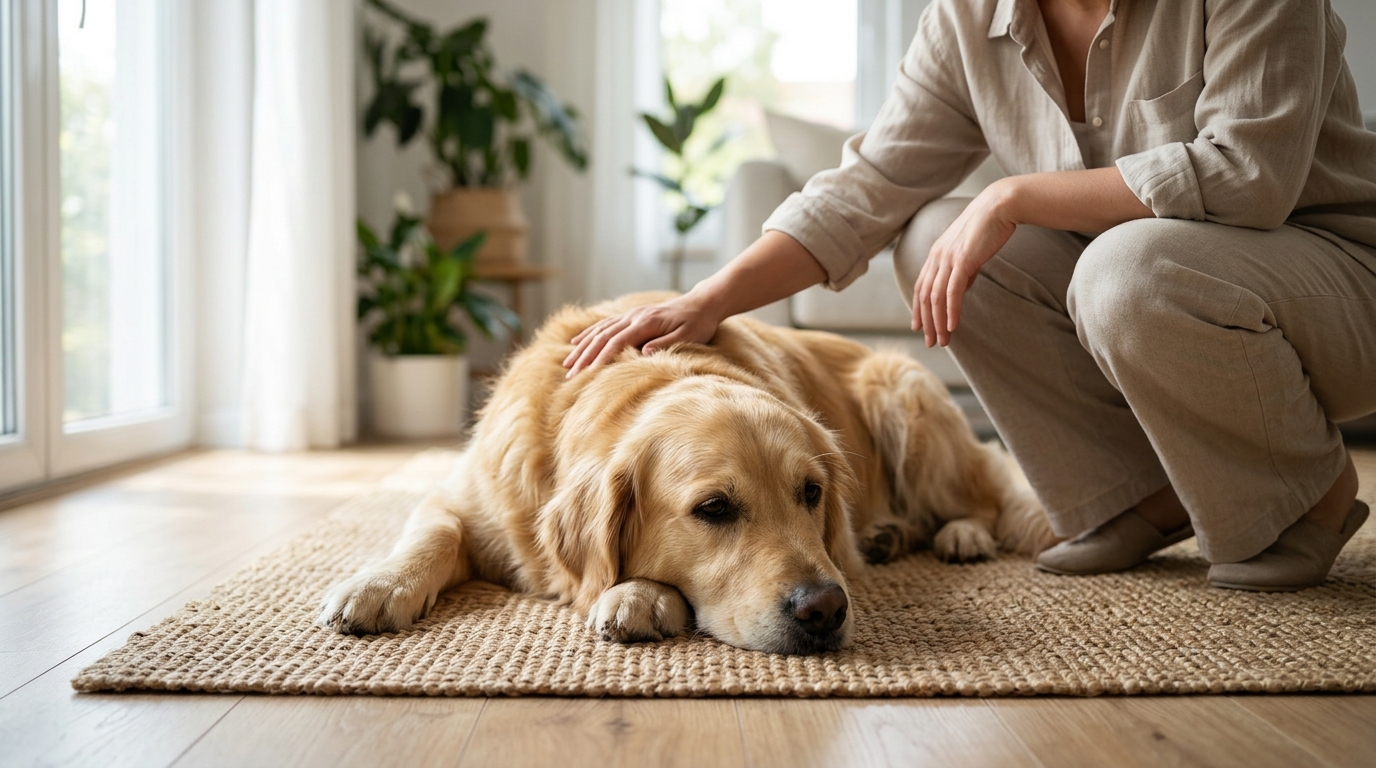
Your dog's gut does far more than digest dinner. It powers immunity, fuels energy, and even influences mood. Yet many pet parents miss the early warning signs that something is off. An unhealthy gut in dogs is a condition where the balance of beneficial and harmful bacteria in the digestive tract has been disrupted, leading to a range of physical and behavioral symptoms. Knowing what to look for can help you act early, before minor imbalances turn into chronic problems. Below, we break down the most common signs and explain what you can do to get your pup back on track.
Why Your Dog's Gut Health Matters More Than You Think
A dog's digestive system is the very foundation of their health and makes up roughly 70-80% of their immune system. When the gut microbiome falls out of balance, the effects ripple across the entire body.
The gut microbiome is an ecosystem of billions of bacteria, viruses, fungi, and protozoa living in your dog's intestines. These microbes aid digestion, prevent infections, synthesize vitamins, and strengthen immunity. A flourishing microbiome filled with healthy bacteria helps ensure the rest of the body functions properly, supporting better nutrient absorption, improved mood, and increased vitality.
7 Common Signs of an Unhealthy Gut
If your dog's gut is struggling, the body will send signals. Here are the seven most frequently reported signs of poor gut health in dogs:
| Sign | What It Looks Like | Why It Matters |
|---|---|---|
| Chronic diarrhea or constipation | Loose, watery, or infrequent stools | Indicates bacterial imbalance or inflammation |
| Vomiting | Frequent or recurring episodes | Suggests the gut lining may be compromised |
| Excessive gas and bloating | Foul-smelling flatulence, distended belly | Points to poor digestion or food intolerance |
| Skin issues and itching | Hot spots, shedding, constant scratching | Gut inflammation triggers systemic skin reactions |
| Weight changes | Unexplained weight loss or obesity | Nutrient malabsorption disrupts metabolism |
| Low energy or lethargy | Reduced playfulness, sleeping more | Poor nutrient utilization starves cells of fuel |
| Abdominal tenderness | Flinching when belly is touched | Sign of active gut discomfort or inflammation |
As noted by Veterinary Partner (VIN), many sudden behavior problems are early warning signs of treatable medical conditions, so pay attention to even subtle shifts.
The Gut-Brain Connection: Behavioral Red Flags
The gut-brain axis is a powerful communication channel between the digestive system and the brain. Gut bacteria regulate neurotransmitters such as serotonin, dopamine, and GABA, which are critical to mood and impulse control. When this system is disrupted, your dog may display increased anxiety, irritability, or even aggression.
A healthy gut produces feel-good neurotransmitters like serotonin to boost mood and help prevent stress, as explained on Get Joy's gut health guide. If your dog has become unusually withdrawn, restless, or reactive, the root cause may be in the belly, not the brain.
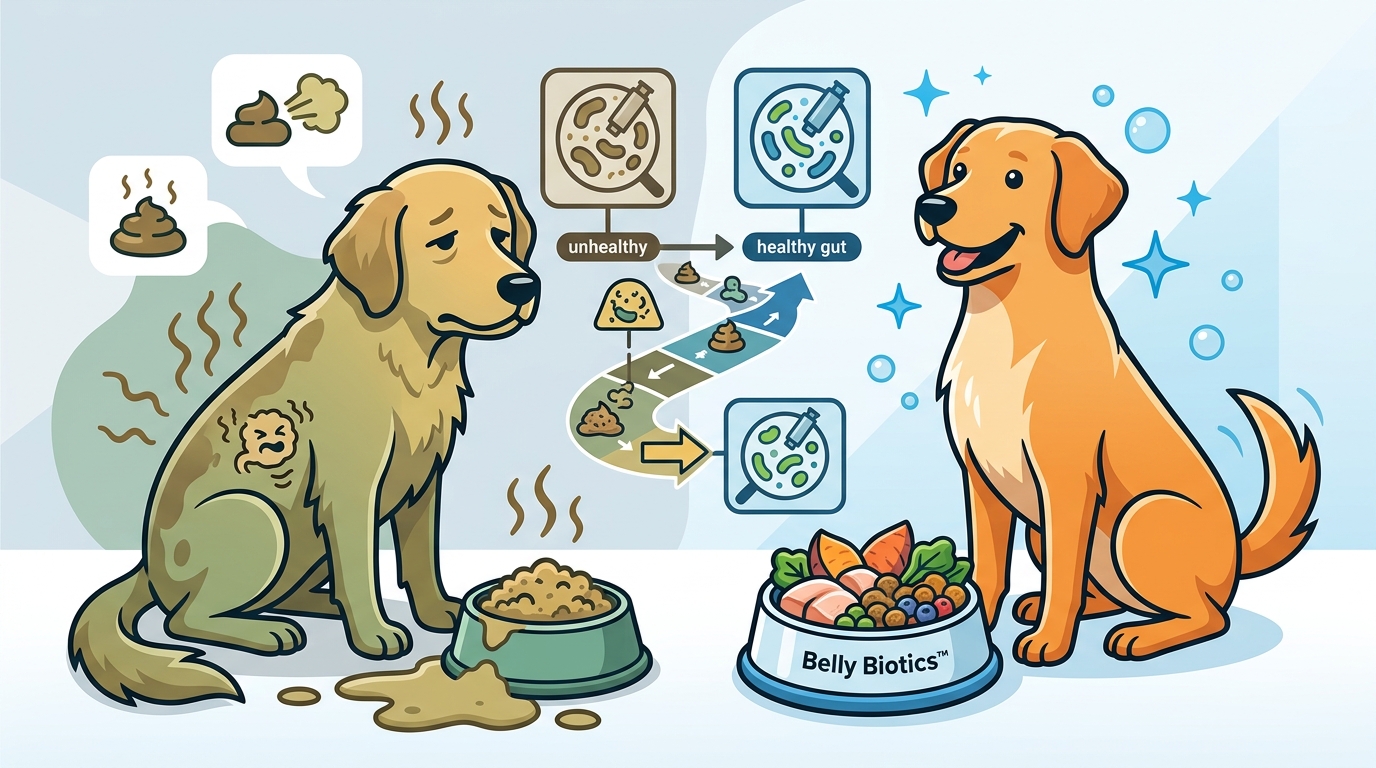
Signs to Watch
- New or worsening anxiety around routines
- Unusual aggression or irritability
- Pica (eating non-food items like grass or dirt)
- Restlessness or difficulty settling
Hidden Symptoms You Might Overlook
Not every dog with gut problems shows obvious diarrhea. Some symptoms are subtle and easy to dismiss. According to board-certified veterinary sources, hidden signs include chronic bad breath that does not improve with dental care, unusual body odor from the skin, frequent anal gland scooting, and excessive grass-eating beyond occasional nibbling.
The Poop Check
Inspecting your dog's stool is one of the simplest ways to gauge gut health. A dog with a healthy digestive system will have firm, regular stools each day. Changes in color, consistency, frequency, or smell can all signal that the microbiome needs attention. You are already picking it up, so take a quick look before you toss the bag.
What Causes Poor Gut Health in Dogs?
Dysbiosis is an imbalance where harmful bacteria outnumber beneficial microbes in the digestive tract. Several factors can trigger it:
- Poor diet: Highly processed kibble with fillers and preservatives can aggravate the stomach.
- Antibiotics: While sometimes necessary, they can destroy good bacteria along with the bad, as explained on the Get Joy Gut Health Unpacked page.
- Stress: Changes in routine, new environments, or separation anxiety disrupt the gut-brain axis.
- Sudden diet changes: Switching food overnight overwhelms digestive enzymes.
- Medications and illness: Certain drugs and infections directly alter microbiome balance.
How to Support Your Dog's Gut Health
The good news is that gut health is highly responsive to dietary and lifestyle changes. Here is where to start:
Feed a Gut-First Diet
Nutrition is the single biggest lever you can pull. A diet rich in prebiotics, probiotics, and postbiotics ensures a thriving microbiome. Get Joy's Freeze-Dried Raw meals and Fresh Meals are formulated with Belly Biotics, a proprietary blend of all three biotic types built directly into the food. Belly Biotics is a clinically backed, proprietary blend of prebiotics, probiotics, and postbiotics designed to support gut health from every angle.
Add Targeted Supplements
For dogs that need extra support, a daily Gut+ supplement can help ease symptoms and restore microbiome balance. Get Joy's Gut+ chews are formulated with omega-3-packed algae and ginger extract, and results typically appear within 4 to 6 weeks.
Transition Gradually
Always introduce new food over 7 to 10 days. Start with 25% new food mixed with 75% current food, and slowly increase the ratio. This gives your dog's digestive enzymes time to adjust without triggering further upset.
Key Takeaways
- Your dog's gut makes up 70-80% of their immune system, so gut imbalances affect whole-body health.
- The seven most common signs of an unhealthy gut include chronic diarrhea, vomiting, gas, skin issues, weight changes, lethargy, and abdominal tenderness.
- Behavioral shifts like anxiety and aggression can stem from gut-brain axis disruption.
- Hidden symptoms such as bad breath, body odor, and excessive grass-eating are often overlooked.
- Diet is the most powerful tool for restoring gut balance; look for foods with prebiotics, probiotics, and postbiotics.
- Supplements like Get Joy's Gut+ can provide targeted digestive support within 4 to 6 weeks.
- Always consult your veterinarian if symptoms persist for more than 48 hours or if your dog seems very ill.
Frequently Asked Questions
What are the first signs of an unhealthy gut in dogs?
The earliest signs are usually changes in stool quality, such as diarrhea, constipation, or unusually smelly poop. Increased gas and a gurgling stomach are also common early indicators. If these persist for more than a couple of days, schedule a vet visit.
Can poor gut health cause skin problems in my dog?
Yes. Gut inflammation drives systemic immune responses that often show up as itchy skin, hot spots, ear infections, and excessive shedding. Improving gut health through diet and supplements can reduce these flare-ups over time.
How does stress affect my dog's gut?
Stress triggers hormones that tell the body digestion is not a priority, leading to reduced gastric function, diarrhea, or constipation. Maintaining a stable routine and calm environment supports healthy digestion.
What is the gut-brain axis in dogs?
The gut-brain axis is the bidirectional communication network between the digestive system and the brain. Gut microbes produce neurotransmitters like serotonin that influence mood, behavior, and stress response.
What should a healthy dog's poop look like?
Healthy dog stool should be firm, brown, and consistent in shape. You should be able to predict roughly when your dog will go each day. Mucus, blood, very dark or very light color, or consistently loose texture all warrant a vet check.
How long does it take to improve a dog's gut health?
Most pet owners notice positive changes in their dog's coat, energy levels, and stool quality within a few weeks of switching to a gut-supportive diet. Targeted supplements like Gut+ chews typically show results in 4 to 6 weeks.
Are prebiotics, probiotics, and postbiotics all necessary?
Each plays a distinct role. Prebiotics are compounds that feed beneficial bacteria. Probiotics are live beneficial bacteria added to the gut. Postbiotics are powerful metabolites produced after probiotics do their work. Together, they create a complete support system for the microbiome. Get Joy's Belly Biotics blend includes all three.
When should I see a vet about my dog's gut health?
Consult your veterinarian if diarrhea or vomiting lasts more than 24 to 48 hours, if symptoms recur weekly, or if your dog shows signs of dehydration, blood in stool, or severe lethargy. Early intervention prevents minor issues from becoming chronic conditions.
Take the First Step Toward Better Gut Health
Your dog's wellness starts from within. If you have noticed any of the signs above, it may be time to rethink what is going into their bowl. Build a personalized meal plan with Get Joy and give your pup the gut-healthy nutrition they deserve. Your first order ships at 50% off.