
Leaky Gut in Dogs: Signs, Causes, and How to Prevent It
If your dog struggles with recurring skin issues, digestive upset, or mysterious allergies, the root cause may not be what you think. Leaky gut syndrome is a condition gaining serious attention in veterinary medicine, and it can affect far more than just your dog's stomach. The good news? Prevention starts with what you put in the bowl. In this guide, we break down exactly what leaky gut is, how to spot the warning signs early, and the science-backed nutritional strategies that can help keep your dog's gut lining strong and healthy for years to come.
What Is Leaky Gut Syndrome in Dogs?
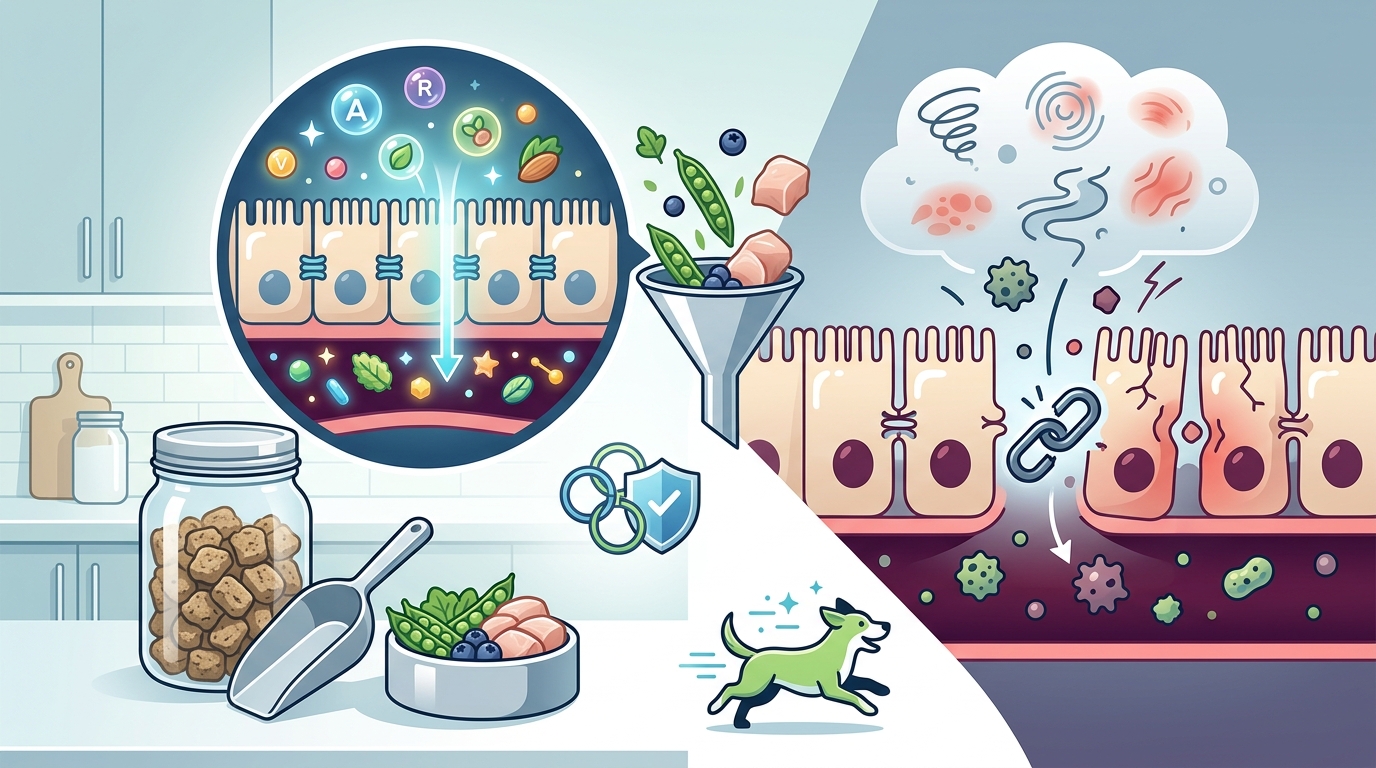
Leaky gut syndrome is an increase in the permeability of the intestinal lining. In a healthy dog, the intestinal walls act as a selective barrier, absorbing nutrients while keeping bacteria, toxins, and undigested food particles out of the bloodstream. When that barrier becomes damaged, it allows harmful substances to cross into circulation, triggering inflammation and immune responses throughout the body.
Intestinal permeability is the medical term for this breakdown in barrier function. According to VCA Animal Hospitals, leaky gut can be caused by anything that damages the intestinal walls or disrupts their normal function, from acute infections to long-term dietary issues.
Common Symptoms of Leaky Gut in Dogs
One of the biggest challenges with leaky gut is that its symptoms overlap with many other conditions. Because the chronic inflammation it causes can affect multiple organs, the signs are often mistakenly attributed to allergies, stress, or aging.
| Symptom Category | What You May Notice |
|---|---|
| Digestive | Chronic diarrhea, constipation, vomiting, gas, bloating |
| Skin & Coat | Itching, hot spots, rashes, dry or flaky skin |
| Immune-Related | Recurring ear infections, new food sensitivities |
| Musculoskeletal | Joint stiffness, difficulty rising, reduced mobility |
| Behavioral | Increased anxiety, irritability, lethargy, mood changes |
Skin irritation is especially common. According to Noble Vet Clinic, inflammation from leaky gut triggers an immune response that frequently manifests as itching, redness, and hot spots. If your dog is showing signs of poor gut health, it is worth discussing leaky gut with your veterinarian.
What Causes Leaky Gut in Dogs?
Leaky gut rarely appears overnight. Most cases develop gradually from sustained damage to the intestinal lining. Understanding the primary triggers helps you take proactive steps.
Poor Diet and Processed Foods
Many commercial dog foods contain processed fillers, artificial additives, and low-quality proteins that stress the gut lining over time. A diet high in processed foods and grains is a well-documented risk factor. Choosing whole-food recipes built for digestive health is one of the most impactful changes you can make.
Medications and Antibiotics
Long-term use of nonsteroidal anti-inflammatory drugs (NSAIDs), antibiotics, and corticosteroids can disrupt the gut microbiome and weaken the intestinal barrier. While these medications are sometimes necessary, it is important to support your dog's gut health during and after treatment with a diet rich in beneficial bacteria.
Chronic Stress and Environmental Toxins
Stress triggers cortisol release, which promotes inflammation in the gut. Environmental toxins like pesticides and household chemicals can add further burden. Consistent routines, regular exercise, and a calm environment all support intestinal health.
The Gut Microbiome Connection
The gut microbiome is the collection of trillions of microorganisms, including bacteria, fungi, and viruses, that live in your dog's digestive system. These organisms perform essential functions: aiding nutrient absorption, synthesizing vitamins, and regulating immune responses.
Nearly 70% of your dog's immune system resides in the gut, where immune cells work alongside beneficial bacteria to defend against harmful invaders. When this microbial ecosystem falls out of balance, a state called dysbiosis, the intestinal lining becomes vulnerable. Dysbiosis is a disturbance in the gut bacteria population that damages the intestinal lining and allows harmful molecules into the bloodstream.
This is why nutrition experts increasingly view gut health as whole-body health. As Get Joy's ingredient philosophy emphasizes, every ingredient should intentionally support digestion, immunity, and vitality.
How to Prevent Leaky Gut in Dogs
Prevention centers on protecting the intestinal barrier before damage occurs. Here are the most effective strategies:
Feed a Whole-Food, Gut-Focused Diet
Switching from heavily processed kibble to minimally processed, whole-food meals is the single most impactful step. Look for recipes made with USDA-sourced proteins, fiber-rich vegetables, and no artificial fillers. Fresh dog food meal plans that are vet-formulated provide the nutritional foundation a healthy gut requires.
Minimize Unnecessary Medications
Work with your veterinarian to use antibiotics and NSAIDs only when truly needed. When medications are required, support the microbiome through diet and targeted supplementation during and after treatment.
Reduce Stress and Toxin Exposure
Regular exercise supports gut motility and lowers cortisol. A predictable daily routine and enrichment activities help reduce chronic stress, which is a significant contributor to intestinal permeability. Limit exposure to pesticides and chemical cleaners where possible.
Why Prebiotics, Probiotics, and Postbiotics Matter
Prebiotics are compounds naturally found in food that serve as fuel for beneficial gut bacteria. Probiotics are live beneficial bacteria that help restore microbial balance. Postbiotics are bioactive compounds produced when probiotics do their work, and they help reduce inflammation and support immune function without the instability of live cultures.
Most dog foods include one of these at best. Get Joy's proprietary Belly Biotics™ blend is built directly into every recipe, combining all three for comprehensive microbiome support. This approach means your dog receives daily gut protection in every meal rather than relying on separate supplements alone.
For dogs that need additional targeted support, Gut+ daily supplement chews offer clinically backed ingredients like omega-3-rich algae, ginger extract, and the same pre-, pro-, and postbiotic combination to further strengthen the gut lining.
Key Takeaways
- Leaky gut syndrome occurs when the intestinal lining becomes too permeable, allowing toxins and bacteria into the bloodstream.
- Symptoms extend far beyond digestion and can include skin problems, joint pain, recurring infections, and behavioral changes.
- The most common causes are poor diet, overuse of medications like NSAIDs and antibiotics, chronic stress, and environmental toxins.
- Nearly 70% of a dog's immune system lives in the gut, making microbiome health essential to whole-body wellness.
- A whole-food diet rich in prebiotics, probiotics, and postbiotics is the strongest preventive measure available.
- Get Joy's Belly Biotics™ blend delivers all three biotics in every meal, supporting gut barrier integrity daily.
- Always consult your veterinarian if you suspect leaky gut, as early intervention leads to the best outcomes.
Frequently Asked Questions
What is leaky gut syndrome in dogs?
Leaky gut syndrome is a condition where the intestinal lining becomes overly permeable, allowing bacteria, toxins, and undigested food particles to escape into the bloodstream and trigger systemic inflammation.
What are the first signs of leaky gut in dogs?
Early signs often include chronic digestive issues like diarrhea, gas, or vomiting. Many dogs also develop new food sensitivities or unexplained skin irritation before more serious symptoms appear.
Can diet alone prevent leaky gut?
Diet is the most powerful preventive tool, but it works best alongside reduced stress, limited unnecessary medications, and regular veterinary checkups. A gut-focused diet like Get Joy's freeze-dried raw meals provides daily microbiome support through built-in Belly Biotics™.
How do probiotics help with leaky gut?
Probiotics introduce beneficial bacteria that help restore microbial balance in the gut. They support repair of the intestinal lining and improve the gut's barrier function, which is exactly what breaks down in leaky gut.
What is the difference between prebiotics, probiotics, and postbiotics?
Prebiotics are fiber compounds that feed good bacteria. Probiotics are live beneficial bacteria. Postbiotics are the beneficial byproducts created when probiotics break down prebiotics. Together, they form a complete gut support system.
How long does it take for a dog's gut to heal?
With consistent dietary and supplement support, many dogs show initial improvement within 7 to 10 days, with more significant healing occurring over 4 to 12 weeks depending on the severity of the condition.
Should I see a vet if I suspect my dog has leaky gut?
Yes. Leaky gut symptoms overlap with many other conditions, so a proper veterinary diagnosis is essential. Your vet can rule out other causes and recommend a targeted treatment plan that may include dietary changes and supplementation.
What foods should I avoid to protect my dog's gut?
Avoid highly processed kibble with artificial additives, low-quality fillers, and excessive grains. These ingredients can stress the gut lining over time and contribute to dysbiosis, which weakens the intestinal barrier.
Take the First Step Toward Better Gut Health
Your dog's wellness starts from within. If you are ready to give your pup the gut-healthy nutrition they deserve, explore Get Joy's Belly Biotics™-powered meals and see the difference functional nutrition can make. Start with 50% off your first order and join over 30,000 happy pet parents who chose a better bowl.